Yellow leaves are a symptom, not one disease. They may result from overwatering, poor drainage, nutrient deficiency, salinity, low light, heat stress, root damage, pests, or disease. Correct treatment begins with diagnosis rather than automatically adding fertilizer or volcanic stone.
Quick conclusion: volcanic stone does not treat yellow leaves directly. It may help only when the underlying problem is linked to compacted soil, prolonged saturation, or poor root-zone aeration.
Start With the Pattern of Yellowing
| Pattern | Possible Clues |
|---|---|
| Yellow leaf edges | Salinity, irrigation stress, or root stress |
| Lower leaves yellowing | Natural aging, nutrition imbalance, or root problems |
| General yellowing | Excess water, poor aeration, or root-zone problems |
The pattern gives a clue, but it is not enough for a final diagnosis.
A Two-Minute Diagnostic Check
- Feel the soil several centimetres below the surface, not only the top.
- Check whether water exits the pot freely.
- Inspect soil odor and root color where practical.
- Note whether yellowing begins on lower leaves, edges, or the whole plant.
- Review the most recent fertilization, irrigation-water source, and light exposure.
Common Causes of Yellow Leaves
1. Overwatering and Poor Drainage
When soil stays saturated for too long, air-filled pore space decreases. Roots may become stressed or rot, producing yellow leaves even though water is abundant.
2. Compacted Soil and Poor Root Aeration
A dense medium moves water and air slowly and limits root spread. Typical clues include slow drainage, a heavy pot, and moisture that lasts for days.
3. Nutrient Deficiency
Deficiencies of nitrogen, iron, magnesium, or other nutrients can cause different yellowing patterns. Do not add fertilizer randomly before identifying the likely cause.
4. High Salinity
Salt accumulation in soil or irrigation water can cause yellowing or burning at leaf edges and can interfere with root water and nutrient uptake.
5. Light and Heat
Low light is common indoors, while sudden intense sun or high temperatures can stress or scorch sensitive species.
6. Pests and Disease
Inspect both sides of leaves and the stems. Spots, webbing, secretions, insects, or irregular lesions may point to pests or disease.
Overwatering vs. Underwatering
| Sign | Possible Overwatering | Possible Underwatering |
|---|---|---|
| Soil | Wet and heavy for a long time | Dry and light |
| Leaves | May be yellow and soft | Wilted, dry, or curled |
| Roots | May become dark and soft | May be dry or brittle |
| First response | Reduce irrigation and improve drainage | Rehydrate gradually as appropriate |
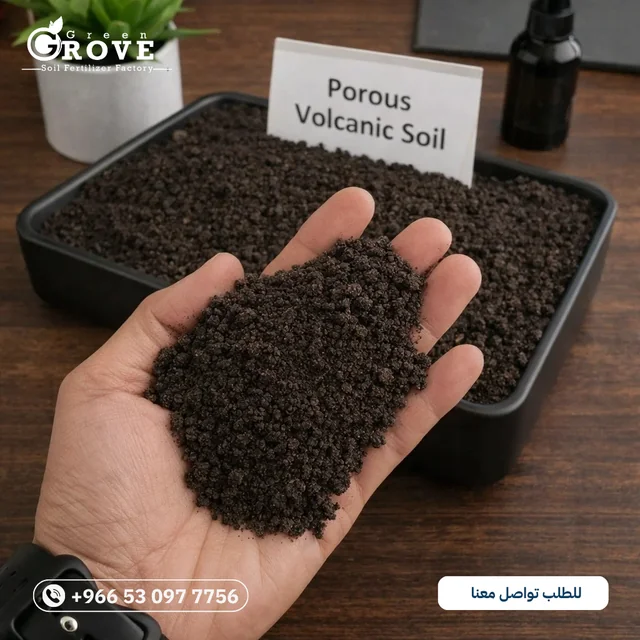
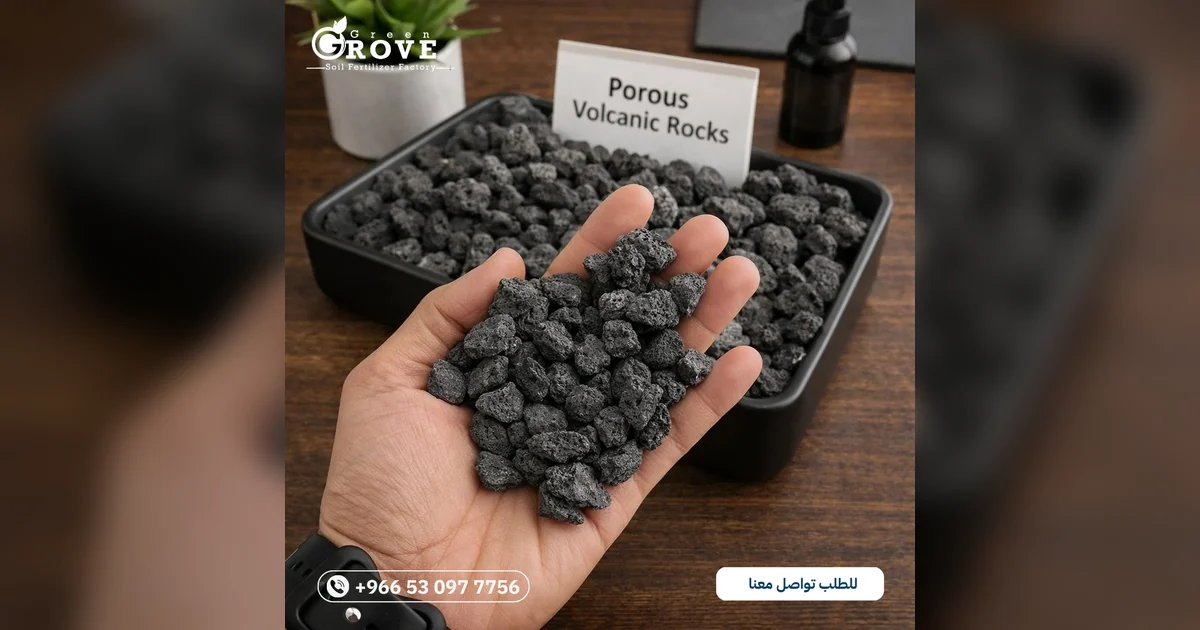
When Can Volcanic Stone Help?
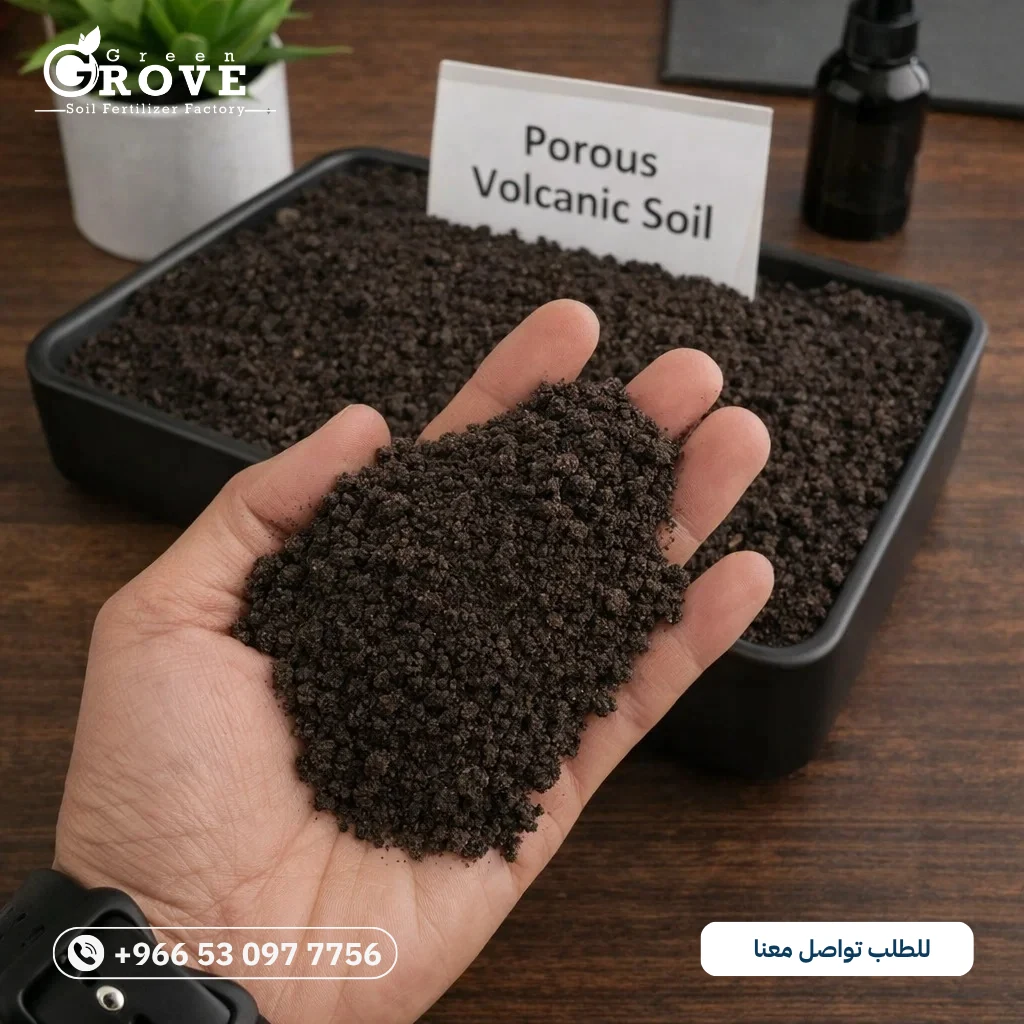
Consider root-zone structure when yellowing occurs together with prolonged wetness, slow drainage, a compacted mix, poor root spread, or repeated root-rot problems. Properly selected agricultural volcanic stone is a porous, relatively stable mineral component that can help create a more open physical structure when blended correctly. It does not replace treatment for salinity, nutrient deficiency, pests, or disease.