Roots need more than water and nutrients. They also need a medium that allows air to enter and new roots to spread. When soil becomes highly compacted, the spaces between particles decrease, water and gas movement slow down, and plants may struggle to build a strong root system.
Signs That May Indicate Soil Compaction
Common field signs include slow infiltration, a hard surface after drying, difficulty pushing roots or tools through the surrounding soil, and weak growth despite otherwise reasonable crop management. One sign alone does not prove one cause, so soil condition and irrigation should be evaluated together.
- Water enters the soil slowly.
- A hard crust forms after drying.
- Roots remain shallow or concentrated in a small volume.
- Soil is sticky when wet and very hard when dry.
- Plants in traffic zones perform worse than those in less-compacted areas.
How Can Volcanic Stone Support Better Structure?
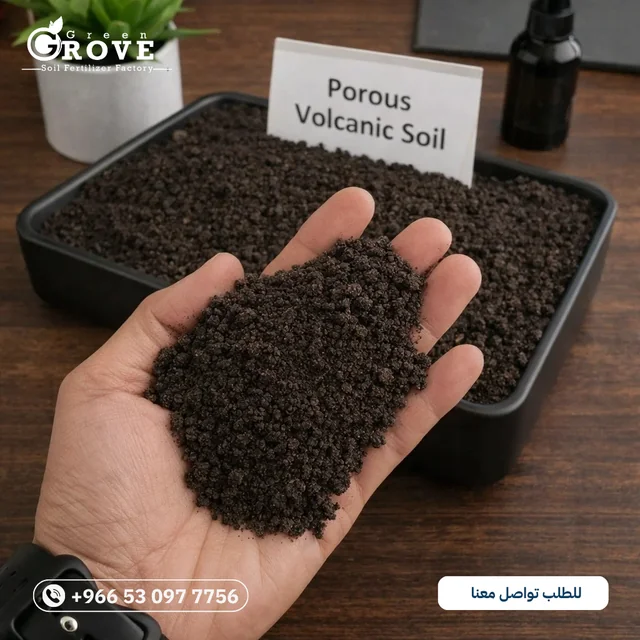
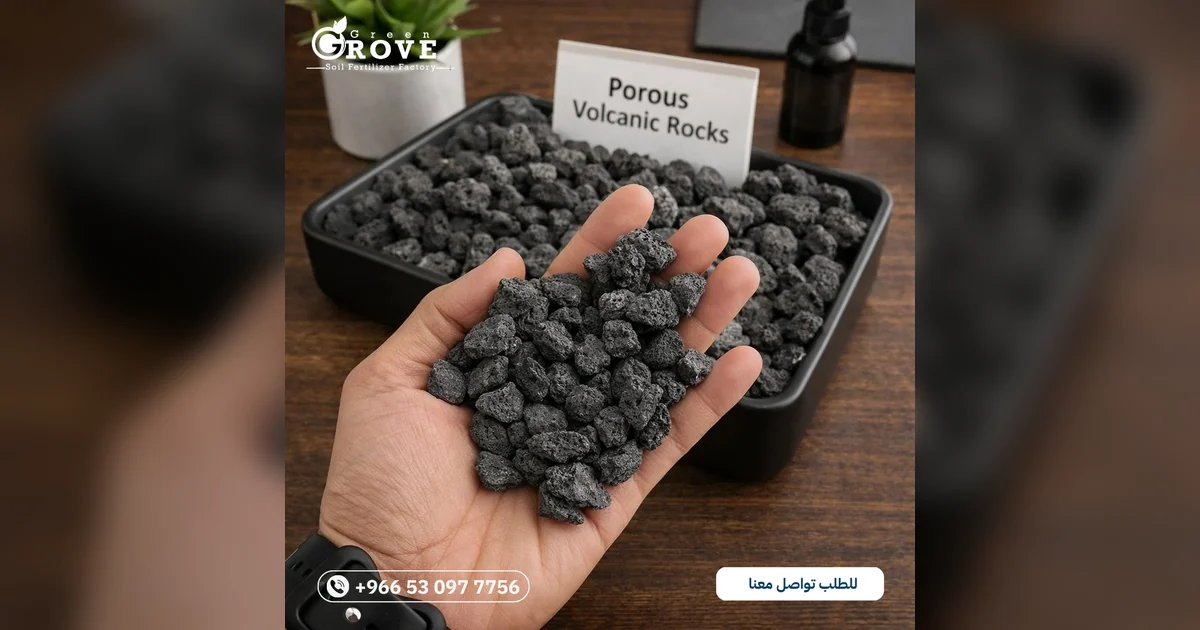
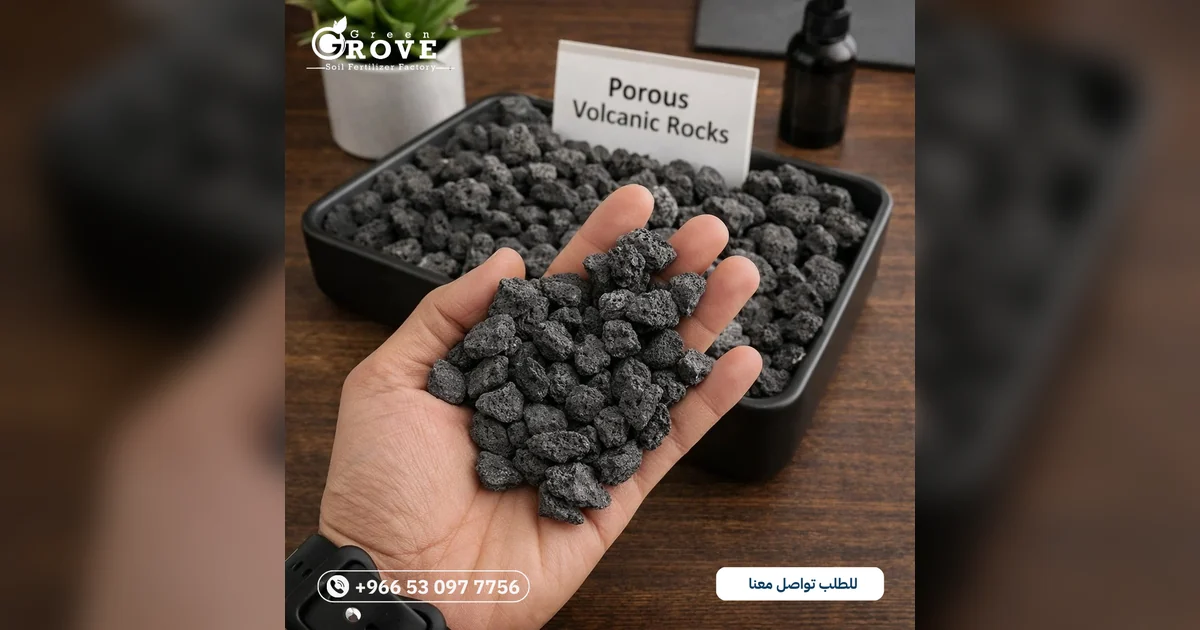
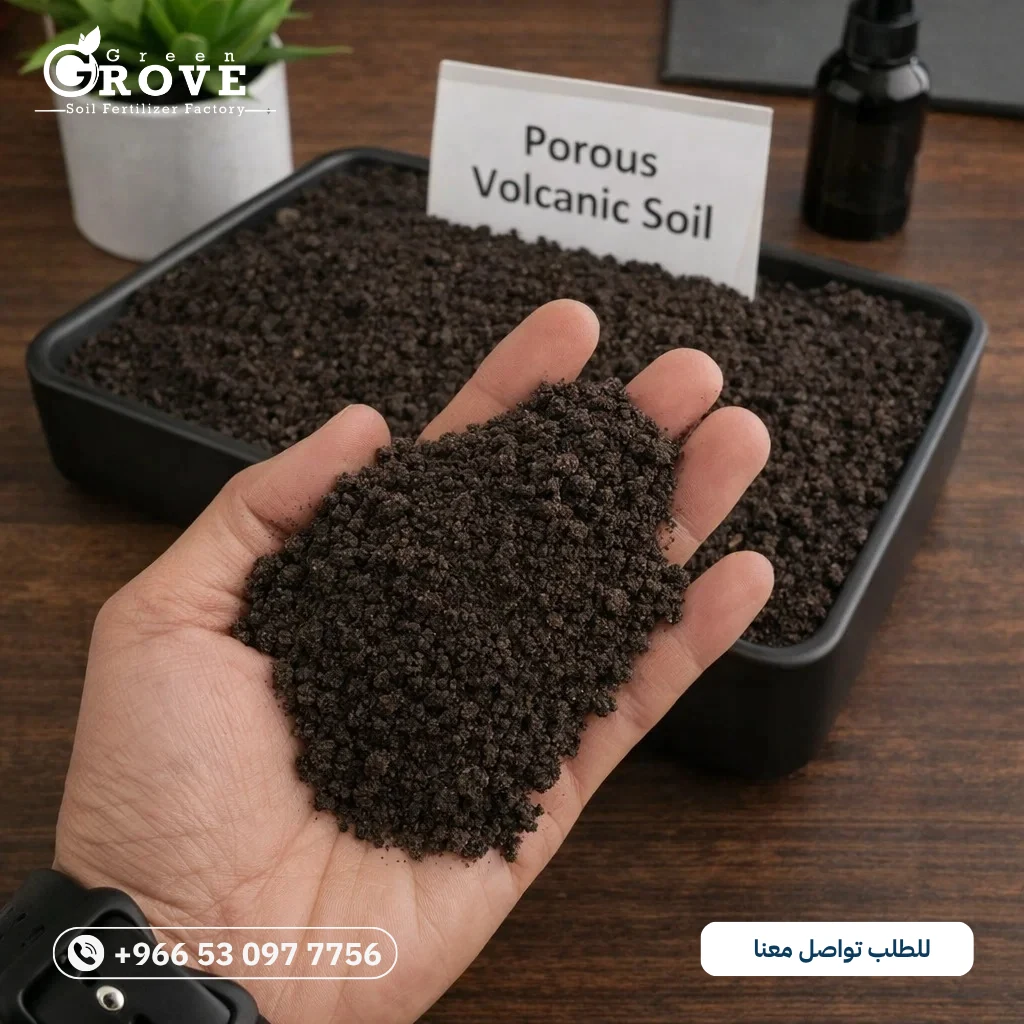
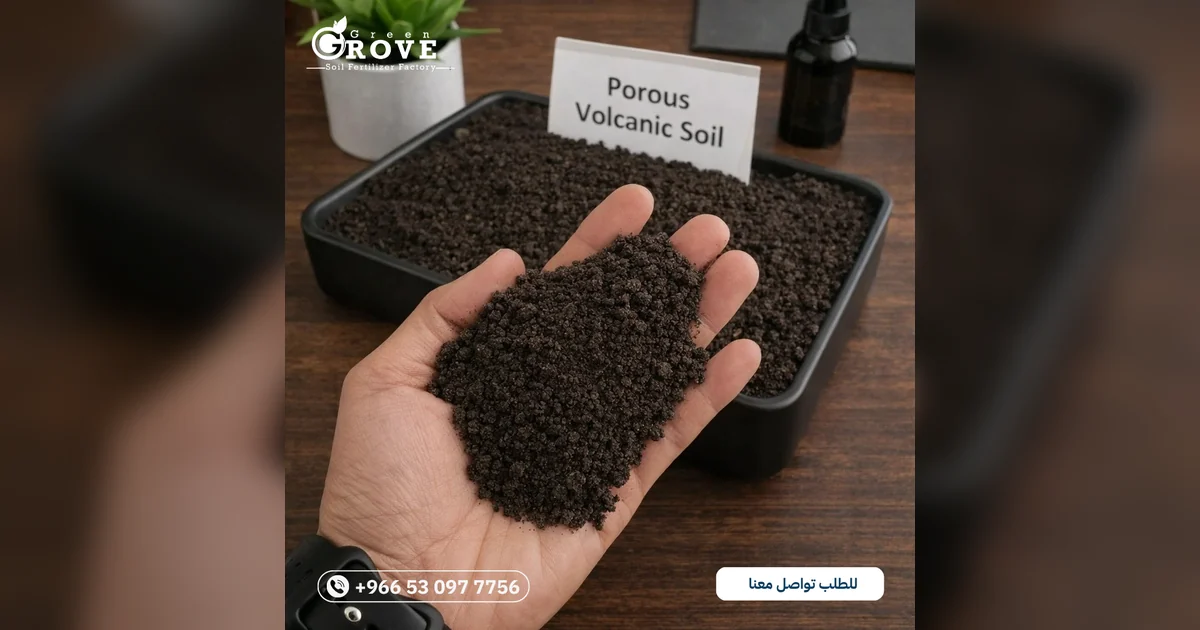
Agricultural volcanic stone is a porous mineral material with a granular, irregular shape. Incorporated into an appropriate mix, its particles can create relatively stable spaces between finer components. These spaces can support movement of air and water and reduce the tendency of the root zone to collapse into a dense mass.
A Structural Tool for Growing Mixes and Soil Improvement
Green Grove Soil volcanic stone can be used as one component in planters, tree root zones, nursery mixes, landscape projects, and selected soil-improvement applications. Its principal function in this context is physical: supporting porosity and structural stability rather than replacing organic matter, fertilizer, or irrigation management.
Why Does Soil Harden Over Time?
Compaction is not caused only by natural soil type. Heavy machinery, repeated worker traffic, movement over very wet soil, and too few stable structural components can all reduce porosity. In planters and growing-media blends, a mix may start loose and then shrink as organic components decompose or fine particles settle. A soil that performed well early in the season can therefore become denser and slower to accept water later.
What Is Soil Aeration?
Soil aeration is the exchange of gases in the pore spaces around roots. After some irrigation water drains, oxygen should be able to re-enter those spaces. In compacted soil, pores may be too small, poorly connected, or filled with water for too long. Improving aeration does not mean drying the soil completely; it means maintaining a workable balance of water and air.
How Does Compaction Restrict Root Spread?
Roots tend to follow paths of lower resistance. When they meet a hard layer, they may stop moving downward or remain near the surface. That exposes more of the root system to heat and rapid drying and reduces the volume of soil available for water and nutrient exploration. Trees may develop a restricted root zone, while short-cycle crops can show reduced vigor.
Why Mechanical Loosening Alone May Not Be Enough
Tillage or physical loosening can quickly open a compacted soil, but the benefit may be temporary if the particle structure collapses again after irrigation. Fine particles can resettle into a dense arrangement, particularly where traffic continues. Combining physical loosening with stable structural components can help preserve some of the newly created pore spaces.
How Does Volcanic Stone Work Inside a Mix?
The rough surface, porous structure, and irregular particle shape of volcanic stone allow it to sit between finer materials and support spaces that are less likely to close immediately. These spaces provide paths for water and air and can create lower-resistance routes for root growth. The material's mineral nature also gives it relative structural persistence. Its role remains physical, complementing rather than replacing organic matter and nutrition.
Why Particle Size Matters
Particle size must fit the growing system. Very large particles can make a small seedling or potting mix too heterogeneous, while severely compacted field soil may require a different particle distribution to create useful structural spaces. In some situations a blend of sizes may be appropriate. There is no one grade or percentage for every farm. Match the decision to root size, soil texture, irrigation, and the target air-to-water balance.
Using Volcanic Stone in Planters and Nurseries
Planters and nursery media can be controlled from the start, making them easier places to test a formulation. Blend volcanic stone with suitable soil and organic components, irrigate the finished mix, and observe infiltration, weight, moisture behavior, and whether the medium remains open after repeated watering. Use those observations to adjust later batches.