Plants in Saudi Arabia can experience intense summer stress from high temperatures, rapid water loss, hot containers and surfaces, and fast changes in soil moisture. A common mistake is to assume that every wilted plant simply needs more water. In many cases, the underlying problem is in the root zone: compacted soil, poor drainage, excessive irrigation, or a growing medium that does not balance water and air.
Summer protection therefore starts with correct diagnosis before increasing irrigation. Plants need enough water, but they also need roots that can breathe and a medium that allows excess water to leave.
Why Are Plants Stressed in Summer?
As temperature rises, leaves and soil lose water faster and roots must replace that water more quickly. A healthy root system in a balanced medium can adapt more effectively. If the medium is compacted or waterlogged, stress can appear rapidly.
Symptoms can include wilting, yellow leaves, scorched margins, slow growth, leaf drop, or soil that stays wet for a long time despite hot weather.
1. Do Not Use a Fixed Irrigation Calendar
There is no rule such as “water every day” that suits every plant in summer. Water demand changes with species, pot size, sun exposure, growing medium, airflow, irrigation method, and growth stage. Check moisture at an appropriate depth, not only at the surface. If the root zone is still clearly wet, automatic additional irrigation can increase saturation rather than protect the plant.
2. Choose Irrigation Timing Carefully
Avoid random irrigation during the hottest part of the day, especially for plants exposed to strong sun. The objective is to supply water when the root zone can use it effectively while reducing unnecessary stress. Timing alone, however, cannot fix blocked drainage or a dense medium.
3. Check Drainage Before Increasing Water Volume
Warning signs include water remaining on the surface, very slow flow from container outlets, unusual odors, wilting while soil stays wet, or repeated root problems. If these appear, the root-zone structure may be a bigger issue than lack of water.
4. Keep the Root Zone Aerated
Roots need water and oxygen together. When most pore spaces remain filled with water for too long, oxygen availability falls and roots may absorb water and nutrients less effectively. That is why a plant can wilt while the surrounding soil is wet. Advanced cases may involve damaged or decaying roots.
5. What Is the Role of Agricultural Volcanic Stone in Summer?
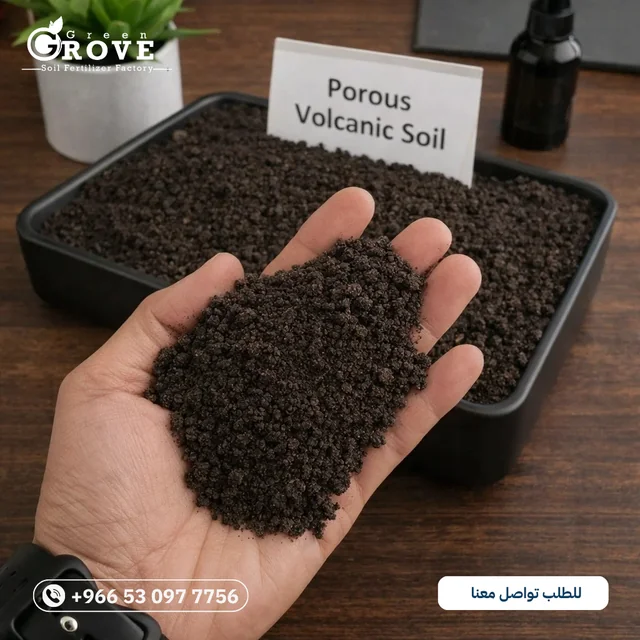
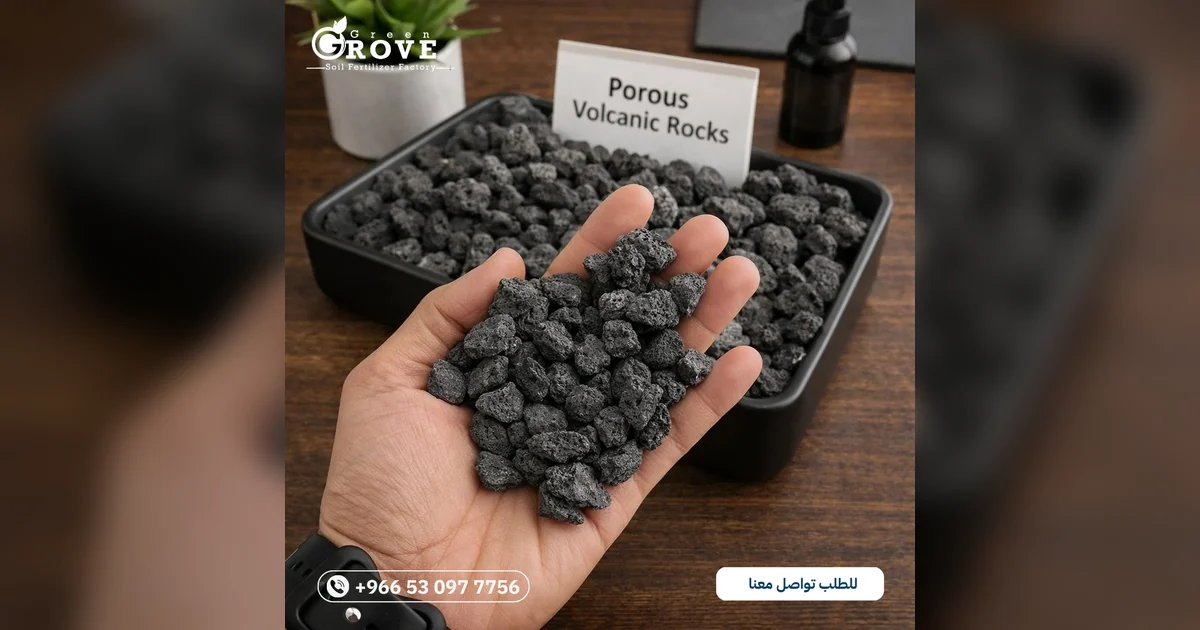
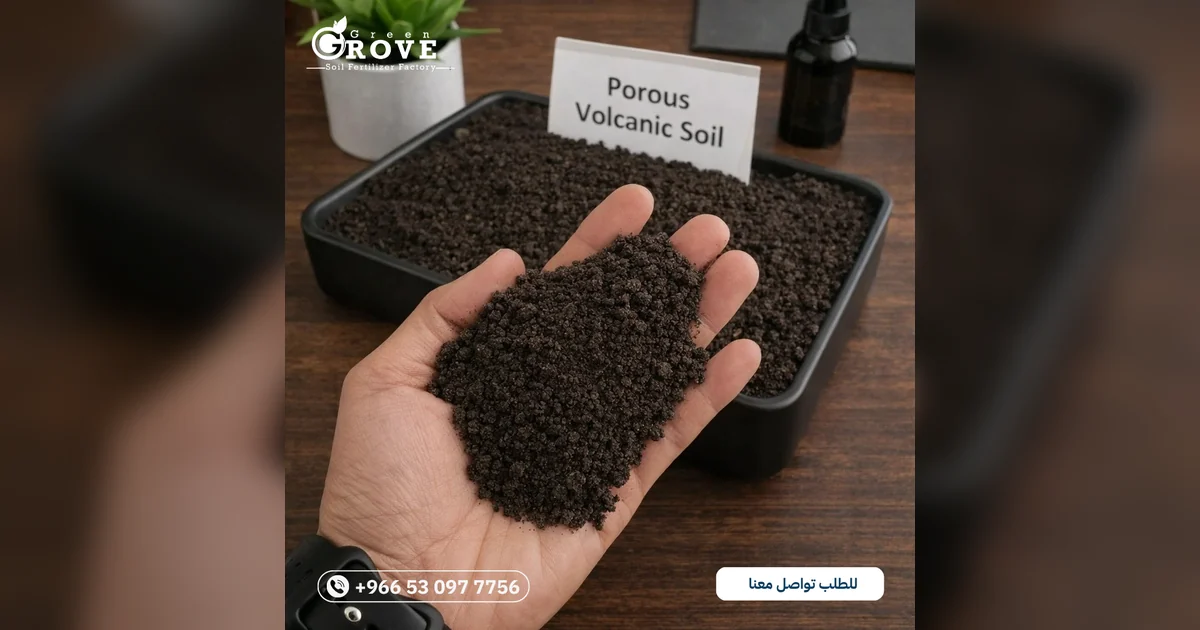
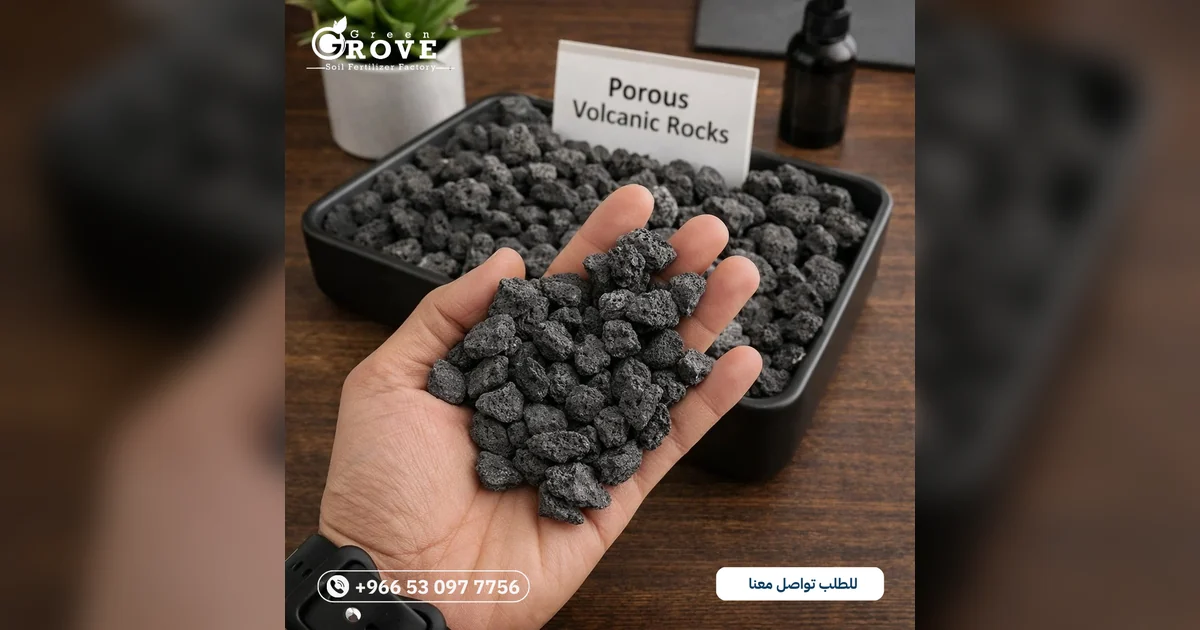
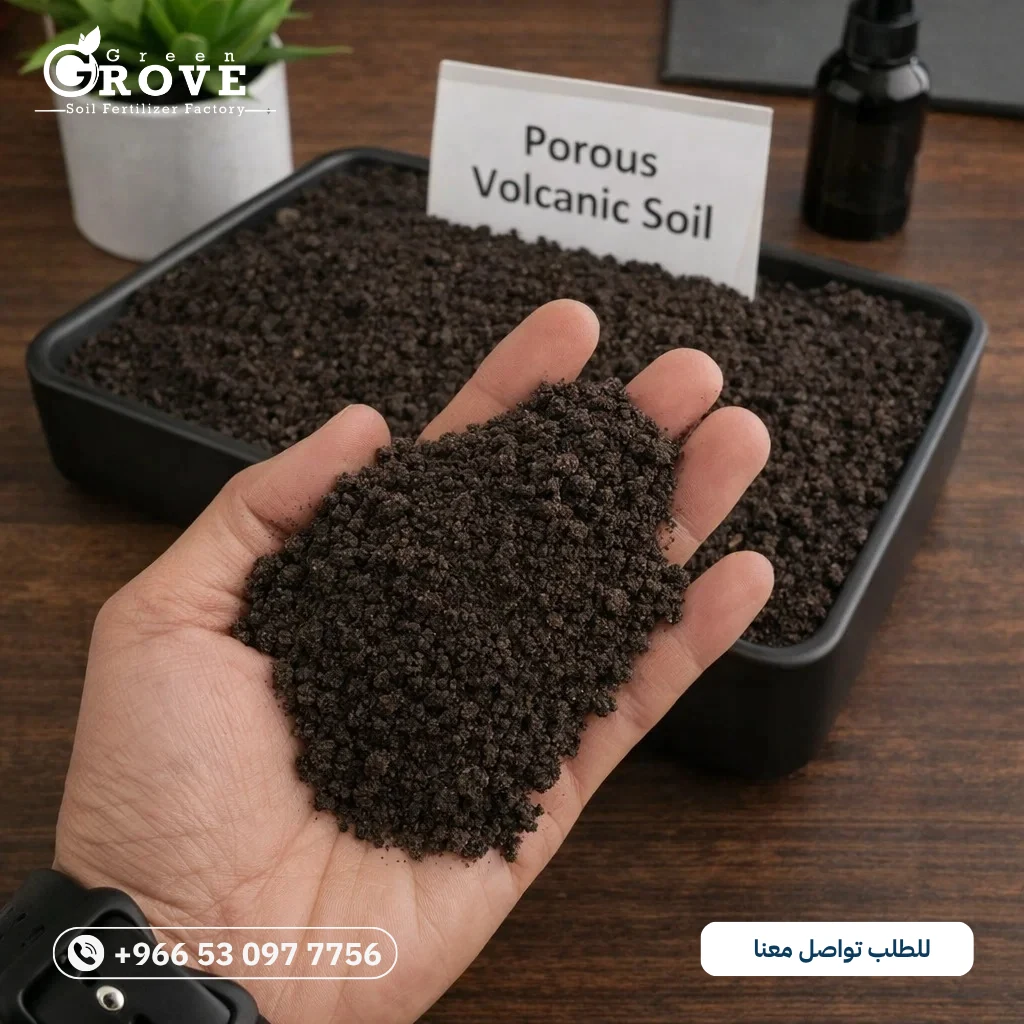
Agricultural volcanic stone is not a heat shield and does not remove the need for appropriate irrigation or shade. Its value is physical: as a porous granular component, it can be incorporated into suitable blends to support pore space and the movement of water and air around roots, particularly where a medium tends to compact or drain slowly.
6. Which Volcanic-Stone Grade Fits?
0–4 mm generally fits incorporation into finer agricultural growing-media blends when the objective is to improve structure while maintaining a reasonably uniform mix. 10–25 mm is used in applications that require larger particles, larger spaces, selected drainage structures, top dressing, or other coarse uses.
There is no one percentage for every plant. The proportion depends on species, current medium, container or bed volume, and irrigation. Use a measured trial rather than an arbitrary fixed ratio.
7. Do Not Rely Only on a Bottom Layer
Placing a coarse layer at the base of a pot while leaving the entire root-zone medium extremely dense does not correct the structure around the roots. If the problem is in the medium where roots actually grow, improve that medium. Also confirm that drainage outlets are open and excess water can leave normally.