Green Grove Soil Factory logo
Green Grove Soil Factory
"Together, let’s make it greener"
AR

Why Seedlings Die After Planting and How to Reduce Losses

Understand why seedlings die after planting or transplanting and how growing media, watering, heat, salinity, disease, and root-zone structure affect survival.

Why Seedlings Die After Planting and How to Reduce Losses
Table of Contents

Seedling losses after sowing, transplanting, or moving plants into larger containers can come from several causes. Transplant shock, root-zone saturation, damping-off or other disease, unsuitable growing media, heat, salinity, and nutrition problems can produce similar symptoms. Reducing losses starts with identifying which factor is actually affecting the seedlings.

Why Do Seedlings Die After Planting or Transplanting?

Young root systems have limited reserves and are sensitive to sudden changes in water, oxygen, temperature, and salinity. A medium that works for a mature plant may be too dense, coarse, wet, or unstable for newly established seedlings.

Common Causes of Seedling Loss

  • Transplant shock: root disturbance and rapid environmental change can temporarily reduce water uptake.
  • Excess moisture: a saturated medium limits oxygen around delicate roots.
  • Damping-off and root disease: disease can cause stem collapse or rapid root decline and requires diagnosis rather than a structural amendment alone.
  • Heat and light stress: recently transplanted seedlings may not tolerate abrupt exposure.
  • Salinity or excessive fertilizer: young roots can be sensitive to high salt levels.
  • Poor medium structure: a mix that compacts or drains slowly can increase root-zone stress.

Warning Signs

Watch for stem collapse near the media surface, persistent wilting, dark or damaged roots, very slow drainage, prolonged wetness, leaf scorch, or a sudden decline soon after transplanting. The pattern and timing help separate structural problems from disease or environmental stress.

How to Improve a Seedling Medium

A propagation or seedling mix should be reasonably uniform, light enough for root development, and able to balance moisture with aeration. Avoid extreme particle-size differences that make small cells difficult to fill consistently.
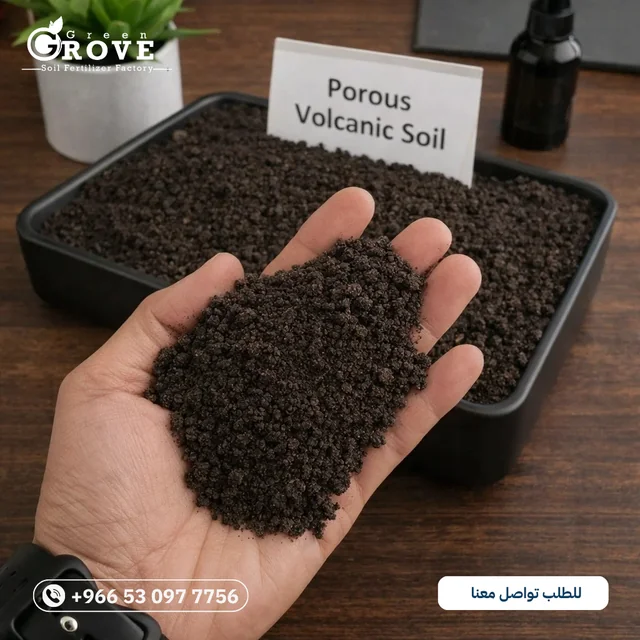
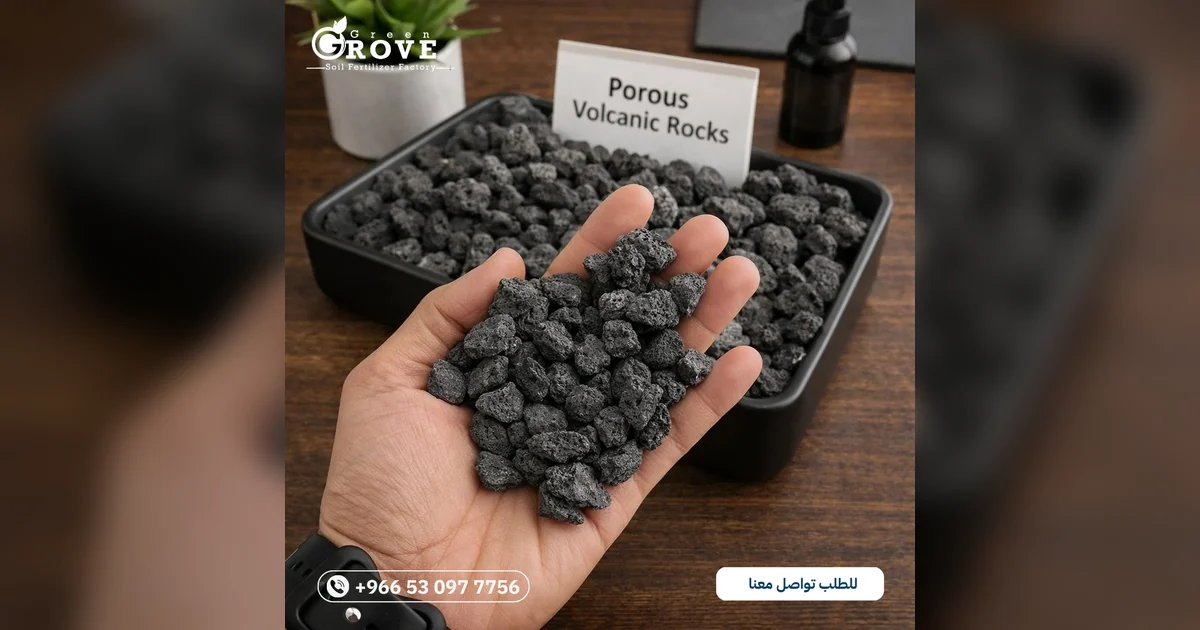
Green Grove Soil volcanic tuff 0–4 mm
Green Grove Soil Product

Natural agricultural volcanic rock for growing mixes and drainage

Choose the grade that fits your application. The delivery minimum is 50 bags, with quote requests available for larger quantities.

View SizesProduct Documents

Role of Volcanic Stone

Fine agricultural volcanic stone can be used in a measured amount as a structural component of suitable seedling and propagation mixes. The source material mentions relatively small proportions for propagation compared with larger potting mixes. The objective is to support physical structure, not to replace a complete substrate, fertilizer program, or disease-management plan.

Steps to Reduce Seedling Losses

  1. Use a clean, appropriate growing medium.
  2. Make sure cells and containers drain freely.
  3. Avoid compacting the medium during filling.
  4. Water according to actual moisture rather than a fixed calendar.
  5. Protect newly transplanted seedlings from abrupt heat or light stress.
  6. Manage nutrition and salinity carefully.
  7. Inspect roots and stems promptly when losses appear.

When Is Volcanic Stone Not Enough?

It is not a treatment for damping-off pathogens, extreme heat, salinity, or severely damaged roots. If many seedlings fail together or the problem spreads, review sanitation, water quality, disease pressure, and environmental conditions in addition to the growing medium.

Summary

Reducing seedling losses requires a stable root environment and careful transition after planting. Use a suitable medium, protect drainage and aeration, manage water and salts, and diagnose disease separately. Volcanic stone can be one physical component when the mix needs additional structure.

Product Documents

Clear technical data before ordering

Download the technical sheet, safety sheet, analysis, and product cards used as references across the content center.

Frequently Asked Questions

Why do seedlings die soon after transplanting?

Possible causes include transplant shock, excess moisture, poor drainage, disease, heat or light stress, salinity, and unsuitable growing-media structure.

Can volcanic stone be used in seedling media?

Fine volcanic stone can be used in a measured amount as a structural component of a suitable propagation mix, but it does not replace the full substrate, nutrition, or disease management.

When should seedling losses be investigated for disease?

If many seedlings collapse together, the problem spreads, stems rot near the surface, or roots rapidly decay, disease diagnosis and sanitation should be considered.

Green Grove Soil

Need Help Choosing the Right Grade?

Our team can help you select the appropriate particle size and quantity based on the plant, irrigation method and intended application.