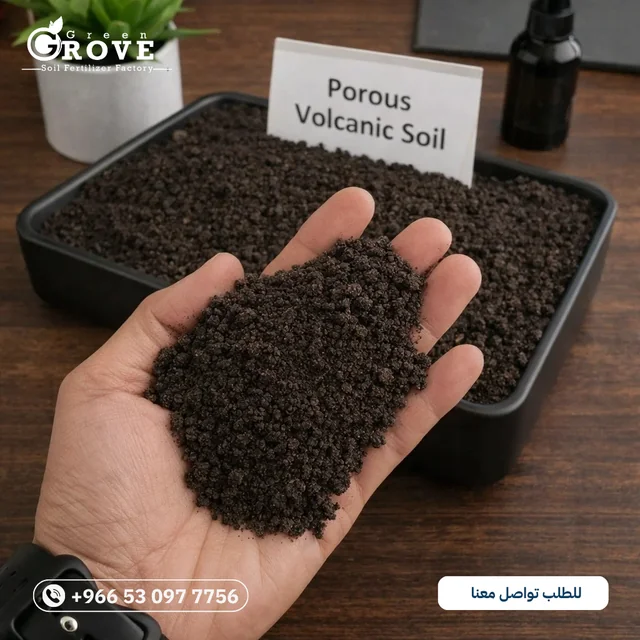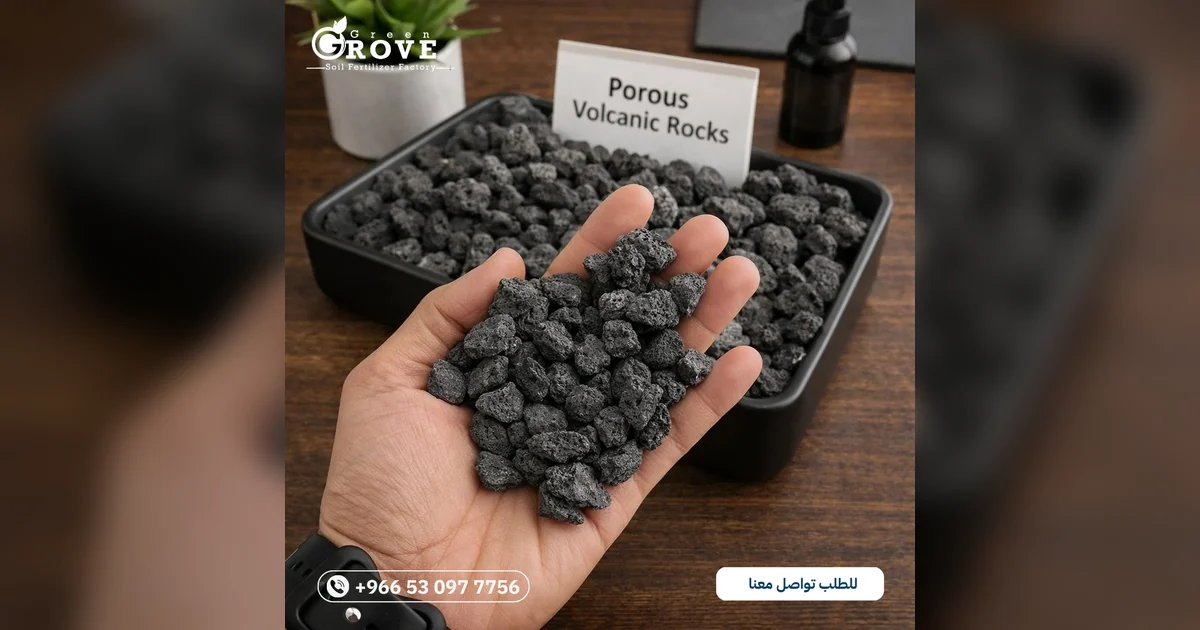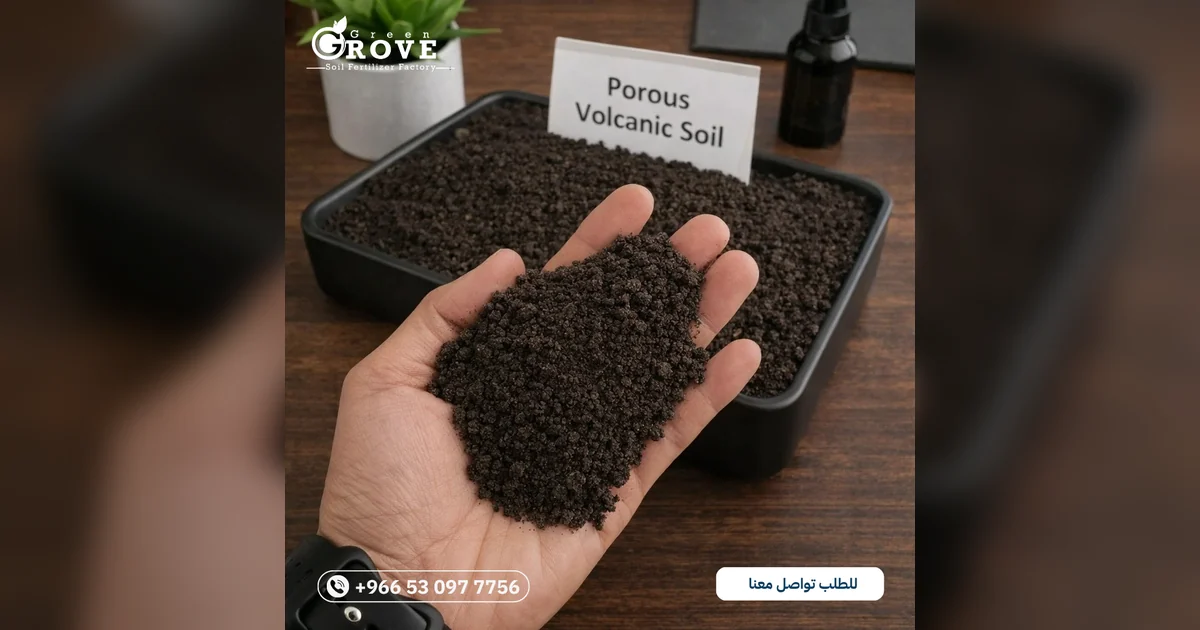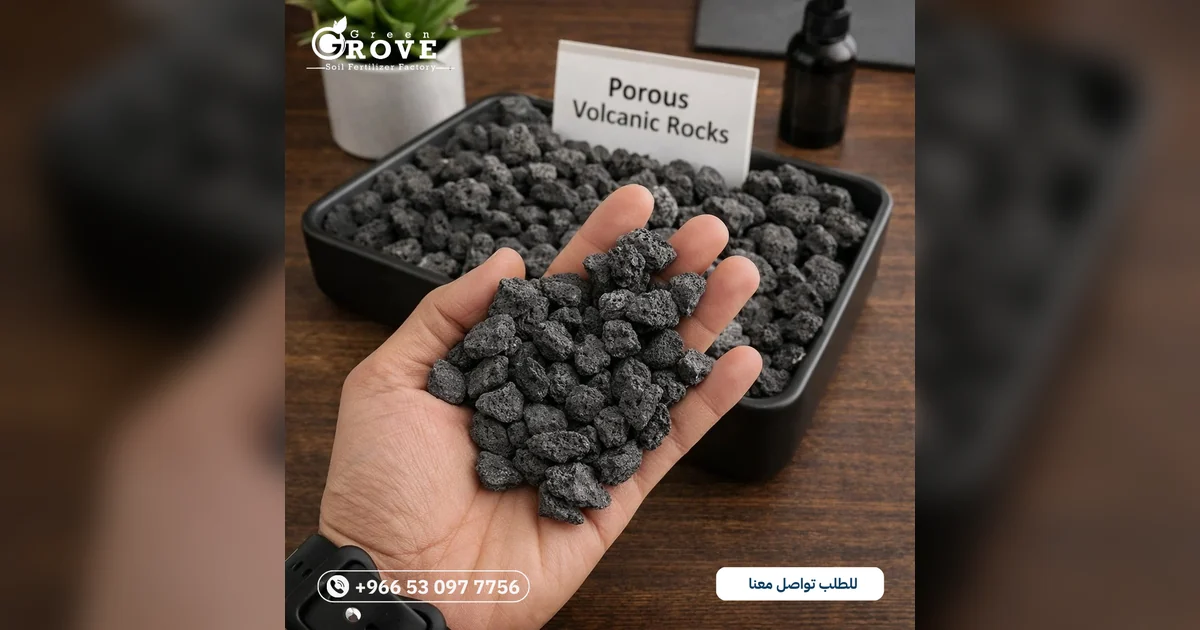
Compacted soil has too little useful pore space for water and air to move through the root zone efficiently. The surface may look normal while the medium below has become dense after repeated irrigation, settling, decomposition, or physical pressure.
What Does Soil Compaction Mean?
Compaction is a reduction in the spaces between particles. As those spaces decrease, drainage slows, oxygen movement becomes more limited, and roots may have greater difficulty expanding through the medium.
Signs of Compacted Soil
- Water enters the soil slowly or remains on the surface.
- The medium becomes hard after drying.
- Roots remain concentrated near the surface or struggle to spread.
- Pots stay wet longer than expected after irrigation.
- Plant growth declines even when nutrition appears adequate.
Why Does Soil Become Compacted?
Very Fine Ingredients
A mix dominated by fine particles can settle into a dense structure with limited large pore spaces.
Breakdown of Organic Components
Peat, compost, and other organic ingredients change over time; as they decompose, an older mix may lose structure.
Pressure and Traffic
Repeated walking, machinery, handling, or compression of wet soil can increase compaction.
Unbalanced Irrigation
Repeated saturation and drying can contribute to particle movement and settling, especially in poorly designed mixes.
How Does Compaction Affect Plants?
Roots require both moisture and oxygen. A dense medium can slow drainage, reduce air-filled pore space, restrict root expansion, and make irrigation less predictable. Fertilizer alone does not correct a physical structure problem.