Green Grove Soil Factory logo
Green Grove Soil Factory
"Together, let’s make it greener"
AR

Soil Does Not Drain: How to Address Water Around Roots With Volcanic Stone

Use volcanic stone for poor drainage only when root-zone compaction and low porosity are part of the cause. Learn grade selection, application, and quantity planning.

Soil Does Not Drain: How to Address Water Around Roots With Volcanic Stone
Table of Contents

If water collects around roots because the growing medium has become dense and has too little pore space, agricultural volcanic stone can be a practical part of the correction. If the real cause is a blocked drainage hole, excessive irrigation, or an engineering problem in the bed or site, adding stone alone will not solve it. This guide focuses on the use decision: when volcanic stone can help, which grade fits, and how to apply it without ordering an arbitrary quantity.

First: Confirm That the Case Fits This Solution

Consider structural improvement when a mix has become compacted, water moves slowly through it, or organic components have settled and shrunk over time. Before changing the mix, check drainage outlets and irrigation timing.

  • Suitable case: a dense or collapsed potting mix that needs more air-filled pore space.
  • Needs more diagnosis: water collects in an in-ground bed after rain or irrigation even though the surface appears loose.
  • Do not start with volcanic stone: a blocked drainage outlet or daily watering while the medium remains wet.

Second: Choose Particle Size According to the Application

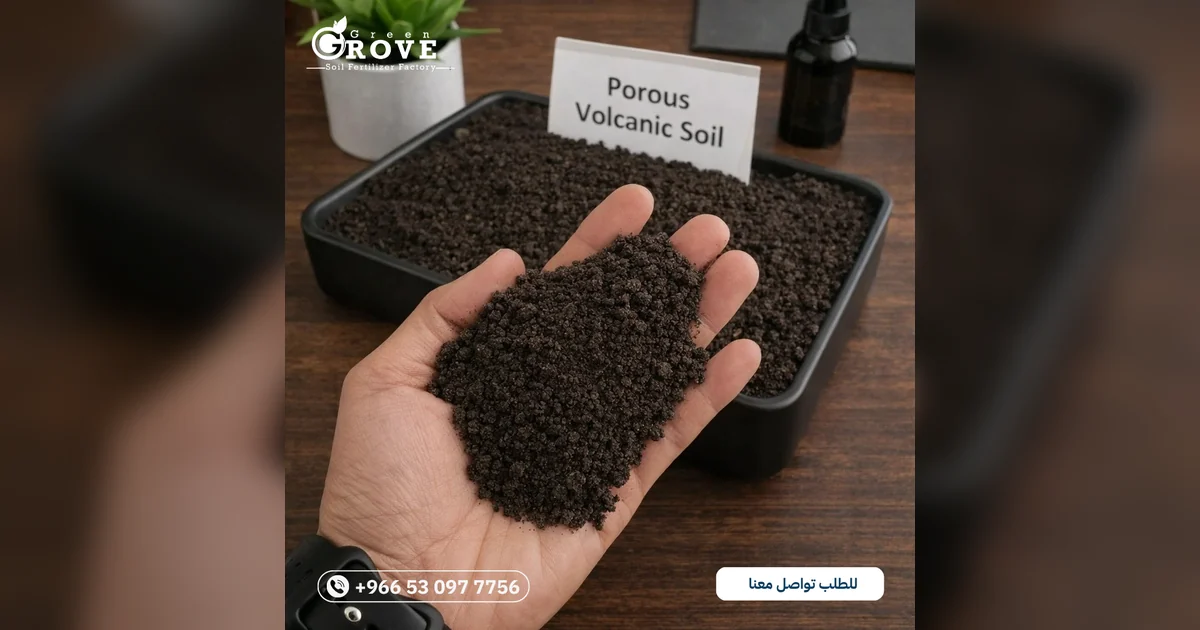
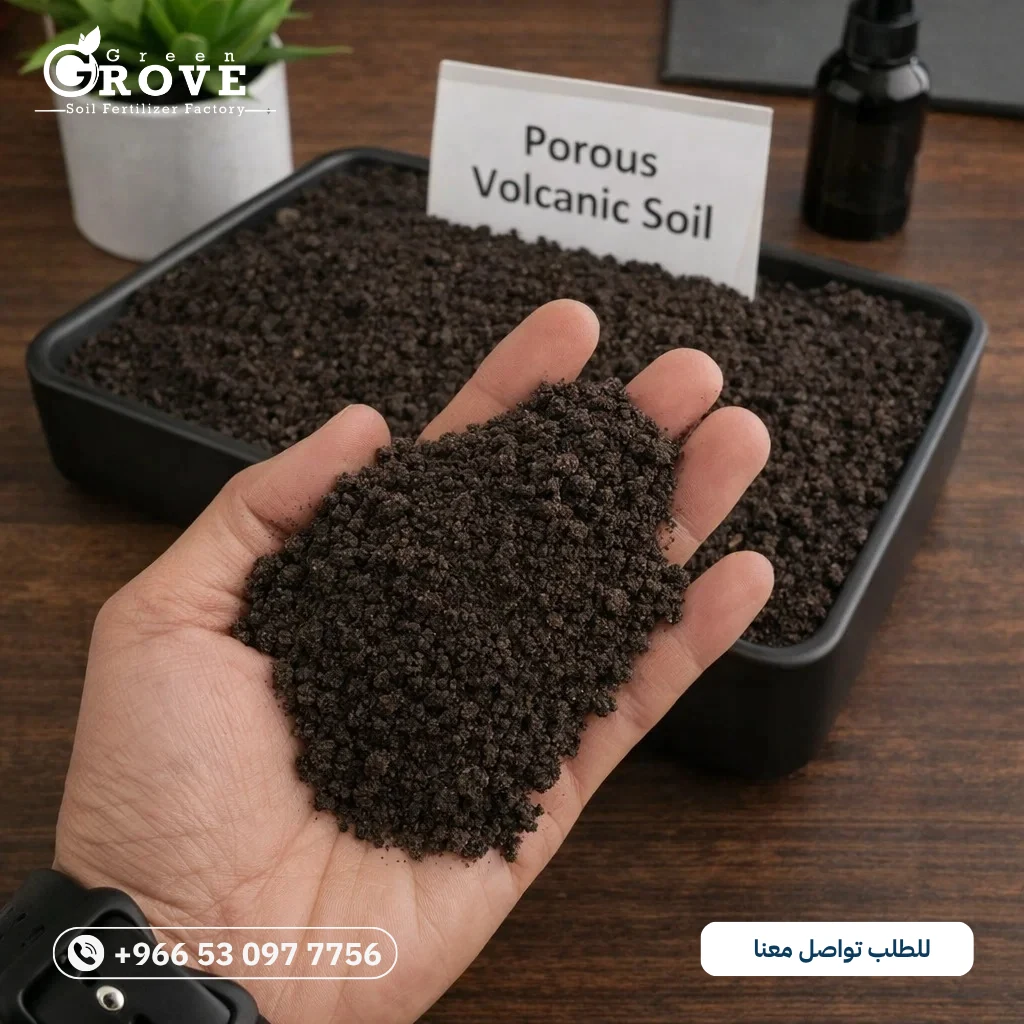
0–4 mm for Incorporation Into Growing-Media Blends

The fine grade blends with peat, cocopeat, and agricultural soil, making it the closer fit for many potting and nursery-mix rebuilds. The objective is to distribute the mineral component through the root zone rather than create a separate pocket at the bottom.

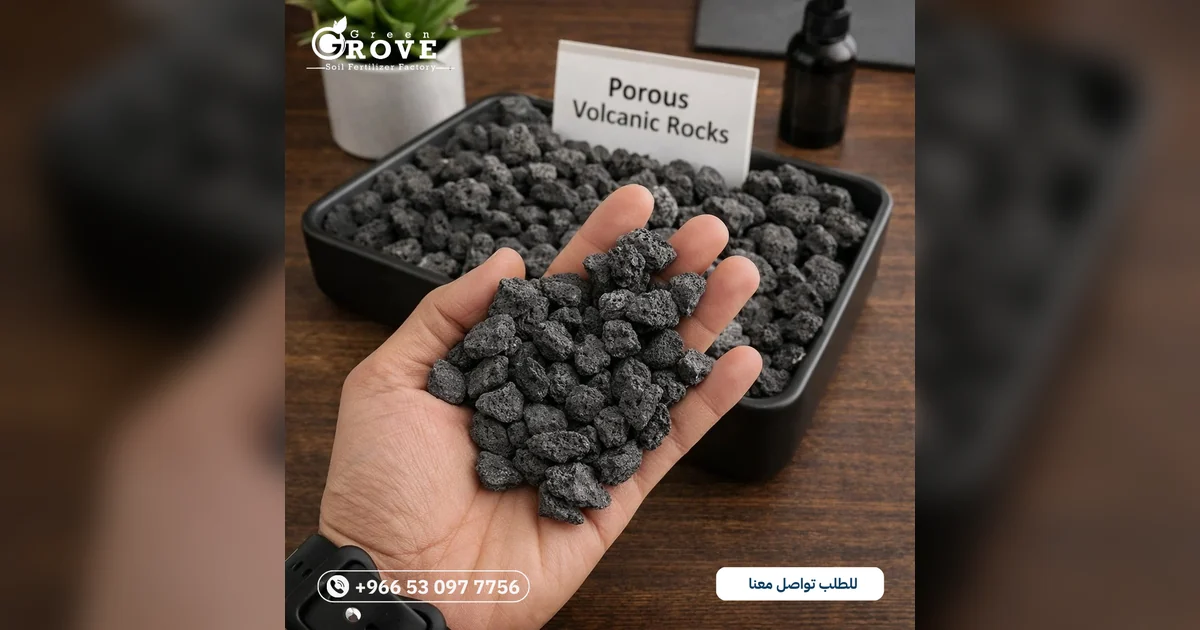
10–25 mm for Coarser Applications

The coarse grade is used when the application requires larger particles and more open structural spaces, such as selected beds, coarse mixes, and granular media. This does not mean that a coarse bottom layer is the correct solution in every pot; container and root-zone design as a whole matter more.

Third: Application Steps

  1. Stop unnecessary additional irrigation while the medium is already saturated, unless the plant has specific requirements.
  2. Inspect the roots and container, including any rotten tissue or blocked drainage openings.
  3. Prepare a new mix or amend the compacted root-zone portion with an appropriate grade instead of sprinkling particles only on the surface.
  4. Distribute volcanic stone uniformly where the objective is to change the structure of the growing medium.
  5. After planting, monitor drying speed and adjust irrigation timing to the new medium.

How Do You Determine the Quantity?

There is no single percentage for all plants. Quantity depends on species, pot or bed volume, existing components, climate, and irrigation. The source product guidance uses 0–4 mm as part of potting or propagation mixes at application-dependent proportions. Calculate the total growing-medium volume first rather than estimating from bag count alone.
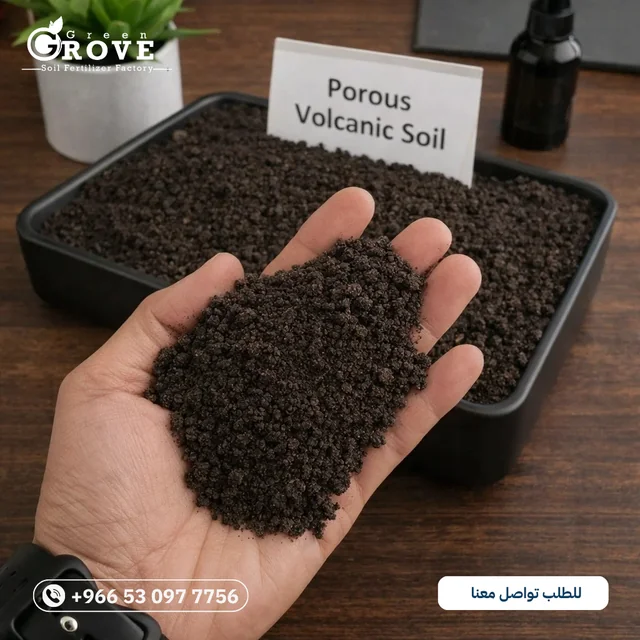
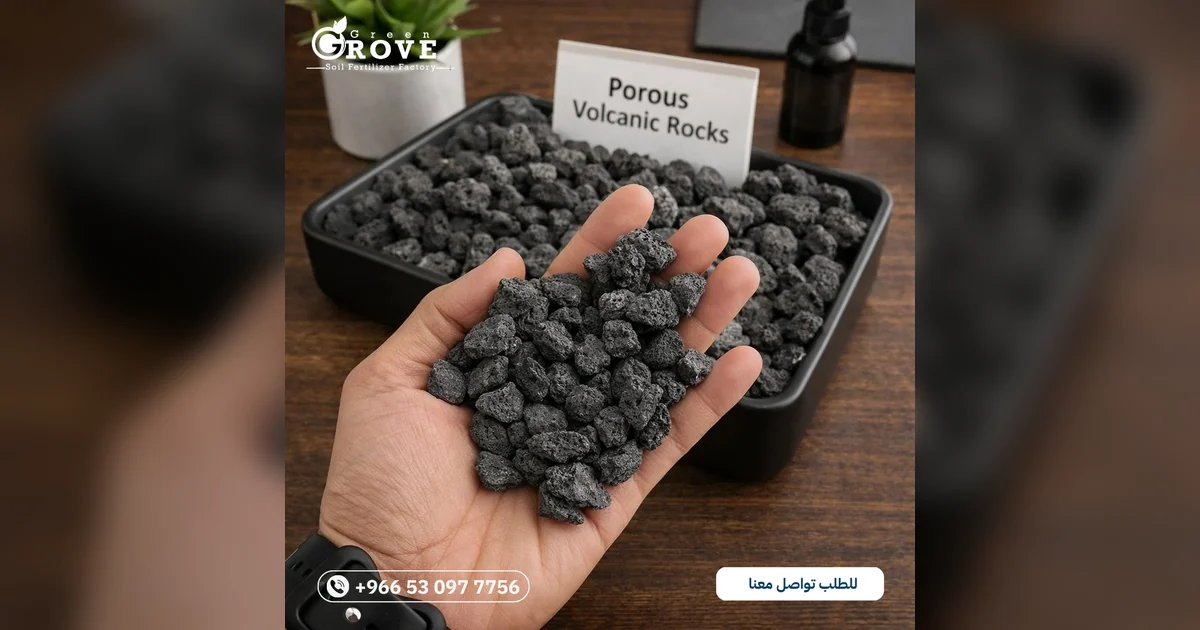
Green Grove Soil volcanic tuff 0–4 mm
Green Grove Soil Product

Natural agricultural volcanic rock for growing mixes and drainage

Choose the grade that fits your application. The delivery minimum is 50 bags, with quote requests available for larger quantities.

View SizesProduct Documents

Signs That the Correction Is Working

  • Surface water disappears more quickly after irrigation.
  • The container remains saturated for a shorter period.
  • The mix stays relatively open instead of quickly becoming a dense mass.
  • Irrigation can be adjusted to plant demand instead of dealing with uncontrolled persistent wetness.

Improved drainage does not mean an already damaged plant will recover immediately. Recovery depends on root damage, plant species, and the rest of the growing conditions.

Information Needed Before Selecting a Grade

For a more relevant recommendation, define the plant, pot or bed dimensions, current growing medium, irrigation method, location or climate, and approximate required quantity. Those details help determine whether 0–4 mm, 10–25 mm, or a different correction should come first.

Summary

Treat water around roots by identifying the cause first. When compaction and low porosity are the problem, volcanic stone can support a more open structure and better drainage. Choose the grade for the application, incorporate it in the correct part of the root zone, then adjust irrigation and monitor the result.

Product Documents

Clear technical data before ordering

Download the technical sheet, safety sheet, analysis, and product cards used as references across the content center.

Frequently Asked Questions

When can volcanic stone help soil that does not drain?

It is most relevant when the root-zone mix is compacted, collapsed, or low in pore space. Blocked outlets, excessive irrigation, and engineering drainage problems need their own corrections.

Which grade is used inside potting and nursery mixes?

The source article positions 0–4 mm as the closer fit for incorporation into peat, coco, soil, potting, and nursery mixes.

How much volcanic stone should I add?

There is no universal percentage. Calculate the root-zone volume and select a trial proportion according to plant, current mix, climate, and irrigation method.

Green Grove Soil

Need Help Choosing the Right Grade?

Our team can help you select the appropriate particle size and quantity based on the plant, irrigation method and intended application.