Green Grove Soil Factory logo
Green Grove Soil Factory
"Together, let’s make it greener"
AR

Hard Soil and Root Suffocation: How Volcanic Stone Can Improve Aeration

Diagnose hard, compacted soil and poor root aeration, then learn how correctly selected volcanic stone can support pore space, drainage, and root-zone structure.

Hard Soil and Root Suffocation: How Volcanic Stone Can Improve Aeration
Table of Contents

Hard, closed growing media can restrict the movement of both water and air around roots. The practical question is not simply whether to add fertilizer, but whether the root zone has enough pore space to function. Volcanic stone is not fertilizer or a direct disease treatment; it is a mineral structural component that can improve physical properties when the grade and proportion fit the application.

How Do You Know the Soil Has Become Too Dense?

  • The soil surface is difficult to penetrate.
  • The medium shrinks away from the sides of the pot.
  • Water runs around the edges without wetting the root ball evenly.
  • Roots spread poorly through the medium.
  • Growth remains weak despite an apparently adequate fertilizer program.

Common Causes

  • Too many fine particles.
  • Breakdown and settling of organic growing-media components.
  • Physical pressure and compaction.
  • Too few stable mineral structural components.
  • Frequent irrigation and repeated saturation.
  • Using the same potting medium for too long after it has lost structure.

Why Fertilizer Alone Does Not Fix the Problem

Nutrition cannot replace pore space. Roots need water, nutrients, and oxygen. If the medium remains dense and saturated, adding more fertilizer may increase salt concentration without correcting the physical reason roots are stressed.

How Can Volcanic Stone Help?

When incorporated into a suitable blend, porous mineral particles can increase air-filled spaces, support water movement, reduce compaction, improve structural stability, and make the root zone easier to manage. The result depends on the entire mix rather than one ingredient.

  • More air-filled porosity.
  • Better movement of excess water.
  • Lower tendency toward compaction.
  • Support for root spread.
  • Greater physical stability.
  • A more manageable root-zone medium.
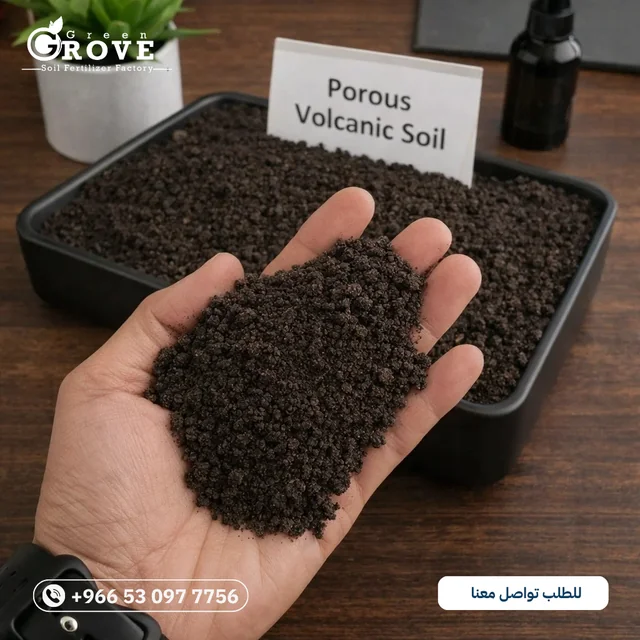
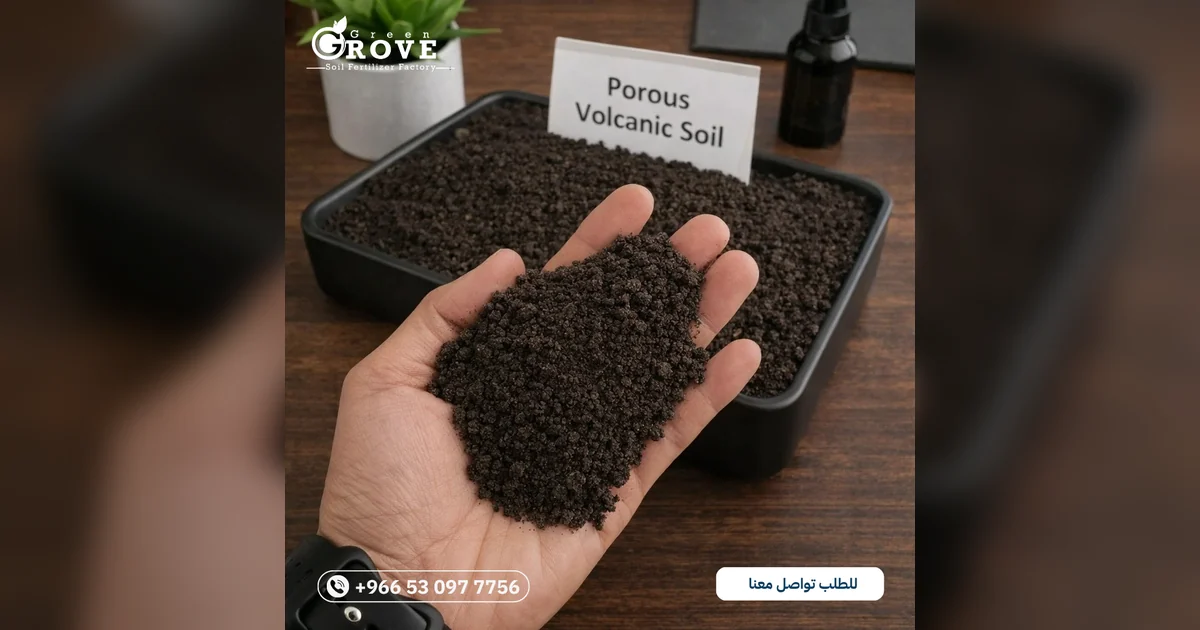
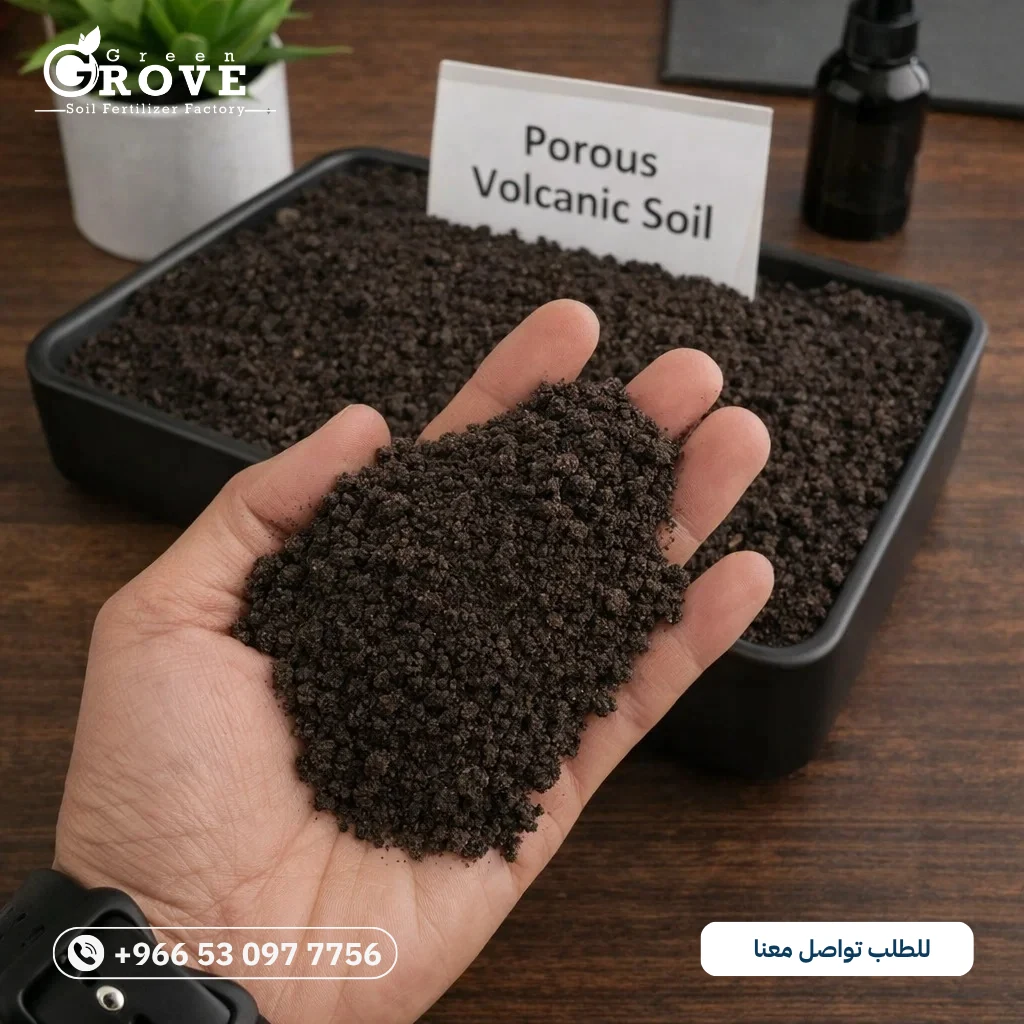
Green Grove Soil volcanic tuff 0–4 mm
Green Grove Soil Product

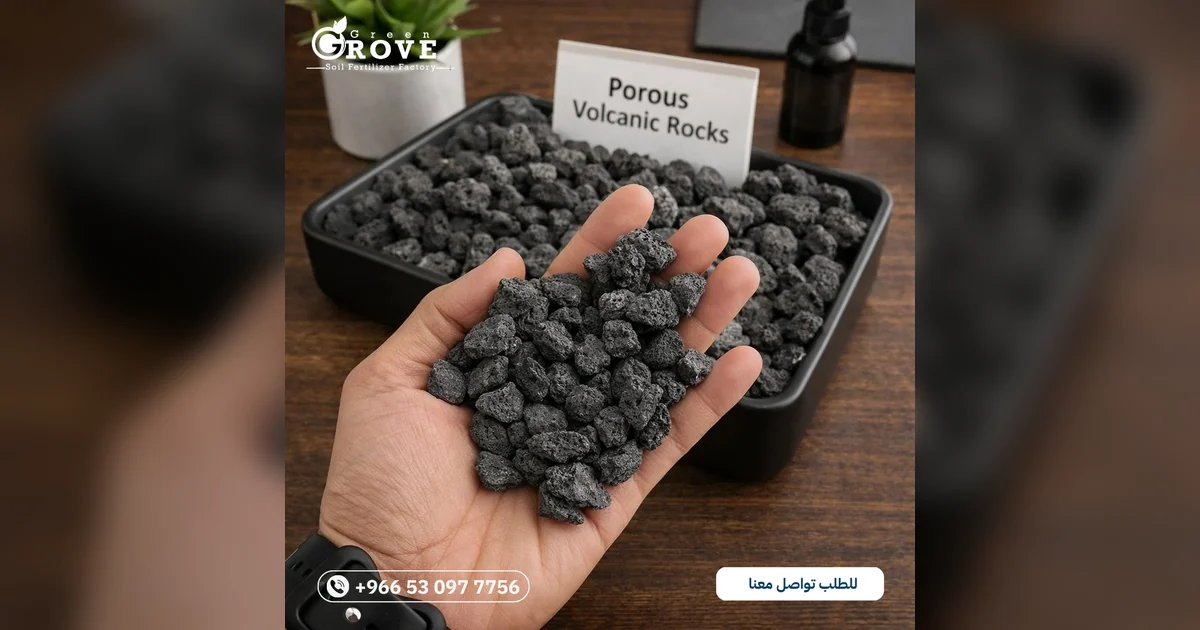
Natural agricultural volcanic rock for growing mixes and drainage

Choose the grade that fits your application. The delivery minimum is 50 bags, with quote requests available for larger quantities.

View SizesProduct Documents

Which Grade Should You Choose?

0–4 mm

Generally suited to incorporation into potting mixes, nursery media, and many houseplant applications.

10–25 mm

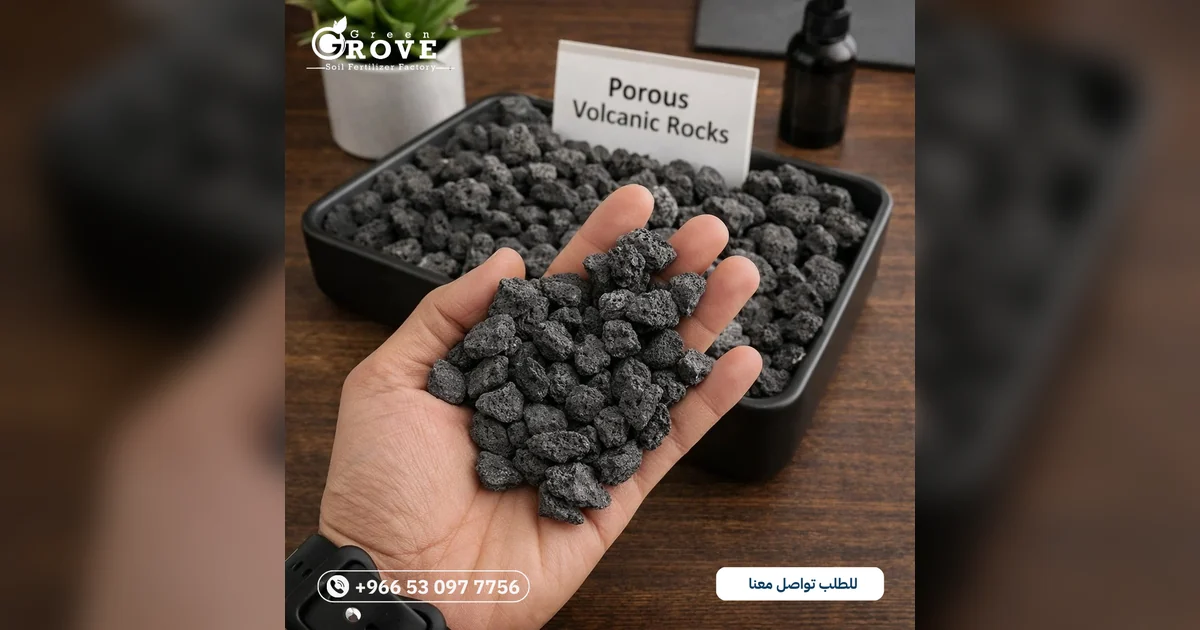
Used in selected planters, tree applications, succulents, top dressing, landscape uses, and other coarse structures according to the application.

There is no one mixing ratio for every case. Species, current soil components, climate, pot or bed size, and irrigation all affect the decision.

Why Case Details Matter Before Ordering

The objective is not to use the largest quantity; it is to use the correct material in the correct place. Plant type, root-zone volume, current soil condition, and irrigation method determine whether volcanic stone is appropriate at all and which particle size is the closer fit.

Summary

If soil has become dense and roots are poorly aerated, diagnose the medium before adding more fertilizer or water. When low porosity is part of the problem, volcanic stone can be used as a structural component to improve air and water movement, provided grade and quantity are selected for the actual root-zone conditions.

Product Documents

Clear technical data before ordering

Download the technical sheet, safety sheet, analysis, and product cards used as references across the content center.

Frequently Asked Questions

What are signs that potting soil has become too compacted?

Hard surface soil, shrinkage from pot walls, water bypassing the root ball, poor root spread, and weak growth can indicate a loss of root-zone structure.

Does fertilizer improve soil aeration?

No. Fertilizer supplies nutrients but does not create the structural pore space needed for oxygen and water movement around roots.

Which volcanic-stone grade is used for aeration?

The source article uses 0–4 mm mainly for incorporation into potting and nursery mixes, while 10–25 mm is reserved for selected coarser applications.

Green Grove Soil

Need Help Choosing the Right Grade?

Our team can help you select the appropriate particle size and quantity based on the plant, irrigation method and intended application.