Green Grove Soil Factory logo
Green Grove Soil Factory
"Together, let’s make it greener"
AR

Soil Does Not Drain: Causes and Practical Ways to Improve Drainage

Diagnose why soil stays wet, from compaction and fine particles to blocked outlets, overwatering, and field drainage, then match the solution to the real cause.

Soil Does Not Drain: Causes and Practical Ways to Improve Drainage
Table of Contents

When soil stays wet for a long time after irrigation, the first step is not to add another amendment. Start by identifying where water movement is being restricted. Slow drainage can come from a dense growing medium, excess fine particles, a blocked outlet, irrigation that is too frequent, or an underlying field-drainage problem.

Signs of Poor Soil Drainage

  • Water remains on the surface after irrigation.
  • Pots or beds stay saturated for a long time.
  • Roots show stress even though the soil is wet.
  • The medium becomes dense, sticky, or difficult to penetrate.
  • Water repeatedly collects in the same part of a bed or landscape area.

Common Causes of Slow Drainage

1. Too Many Fine Materials

A mix dominated by very fine particles can have too few large pores for rapid water movement and air exchange.

2. Compacted Growing Medium

Repeated irrigation, settling, decomposition of organic components, and physical pressure can reduce pore space over time.

3. Container or Drainage-Outlet Problems

A good mix cannot drain correctly if holes are blocked, undersized, or obstructed by roots, liners, or accumulated fines.

4. Irrigating Before the Plant Needs Water

Even a well-drained medium can remain too wet when the next irrigation arrives before enough water has been used or drained.

5. Poor Ground Slope or Subsurface Drainage

In field or landscape situations, water may collect because of grade, a hard subsurface layer, or inadequate drainage infrastructure.

A Quick Test Before Replacing the Soil

Observe what happens immediately after irrigation and several hours later. Check the surface, the deeper root zone, and the outlet. In containers, confirm that water can leave freely. In the ground, compare the wet area with nearby soil and note whether water collects at a particular depth or location.

Match the Treatment to the Cause

Likely CauseFirst Response
Dense or fine root-zone mixRebuild or amend the structure with appropriately sized components.
Blocked outletRestore the drainage path.
Over-frequent irrigationReassess timing and volume.
Field slope or hard subsurface layerAssess engineering drainage and soil profile.
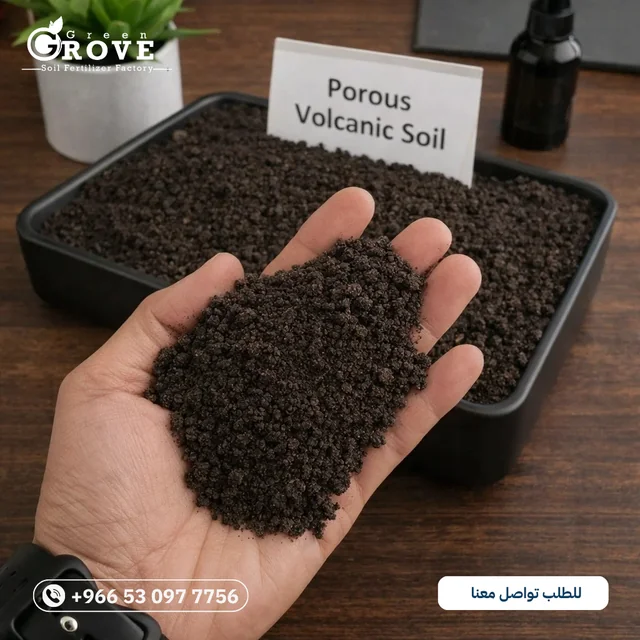
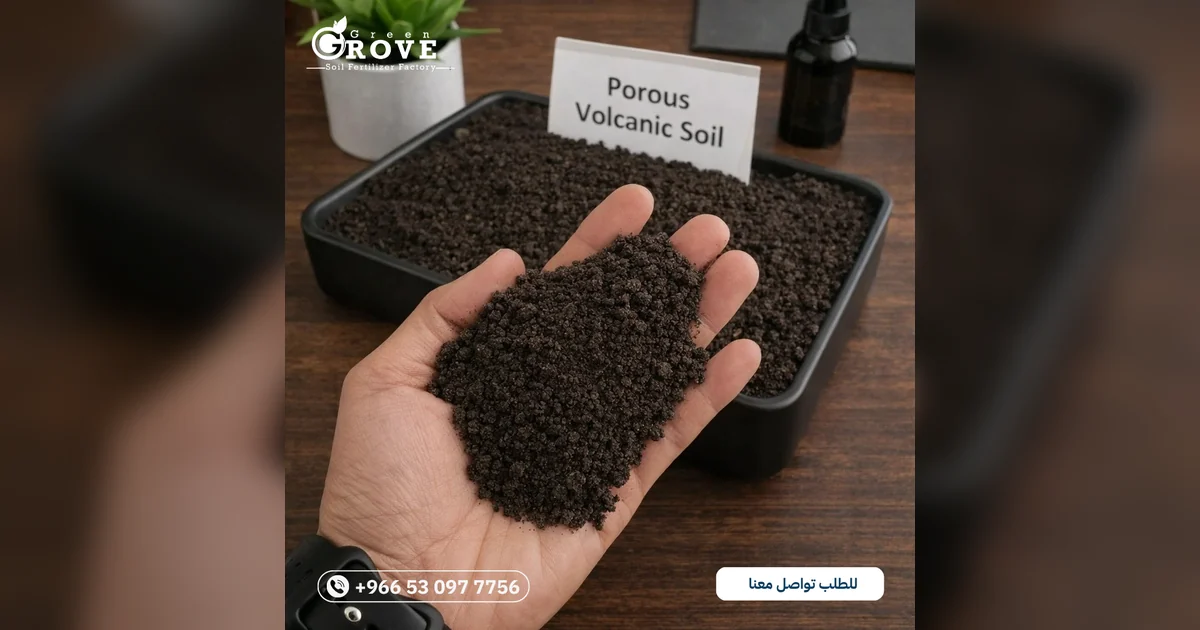
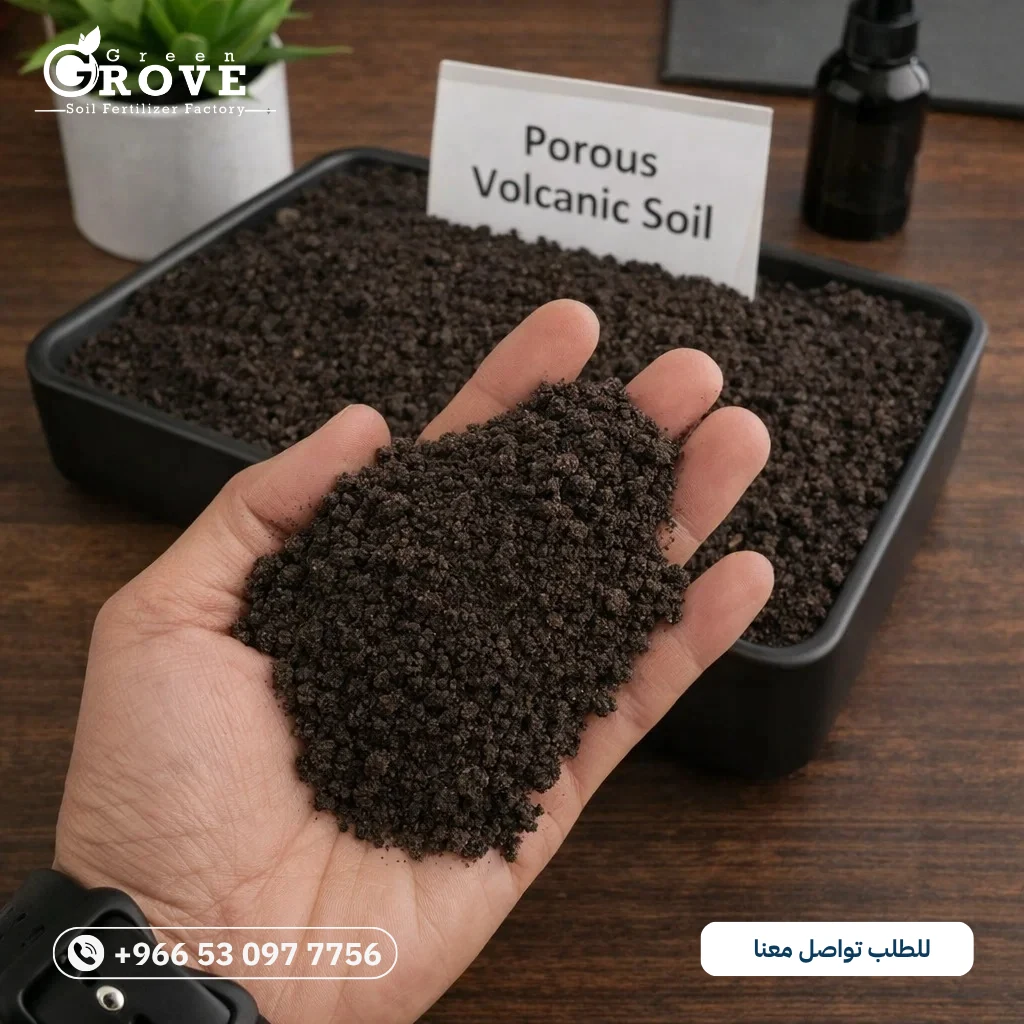
Green Grove Soil volcanic tuff 0–4 mm
Green Grove Soil Product

Natural agricultural volcanic rock for growing mixes and drainage

Choose the grade that fits your application. The delivery minimum is 50 bags, with quote requests available for larger quantities.

View SizesProduct Documents

When Can Volcanic Stone Be Part of the Solution?

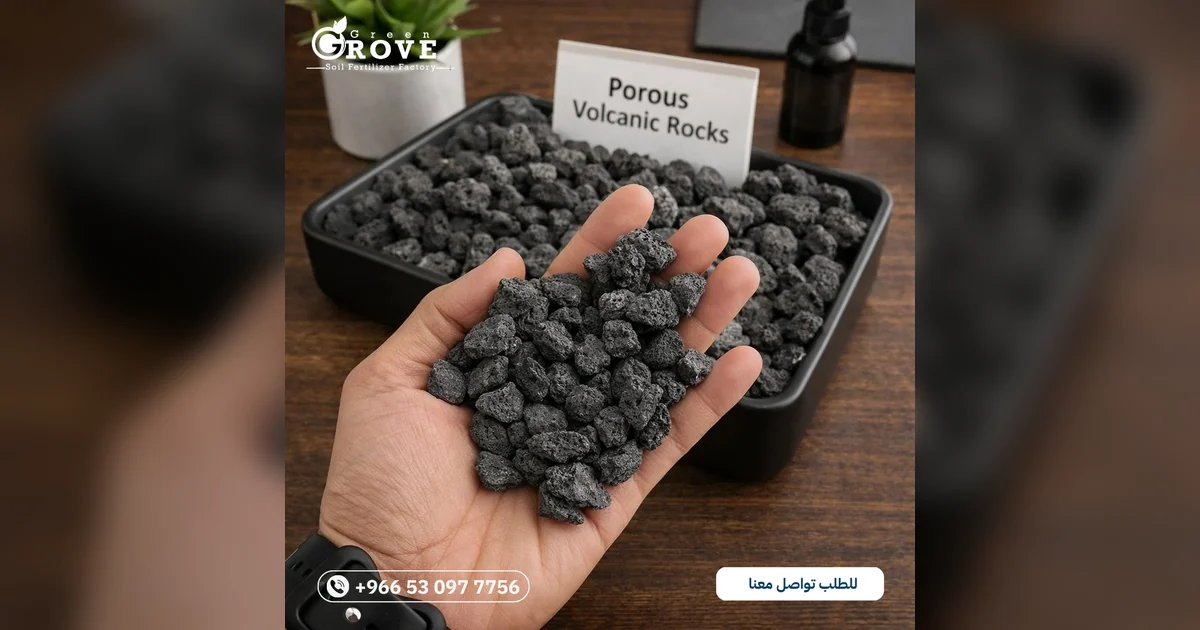
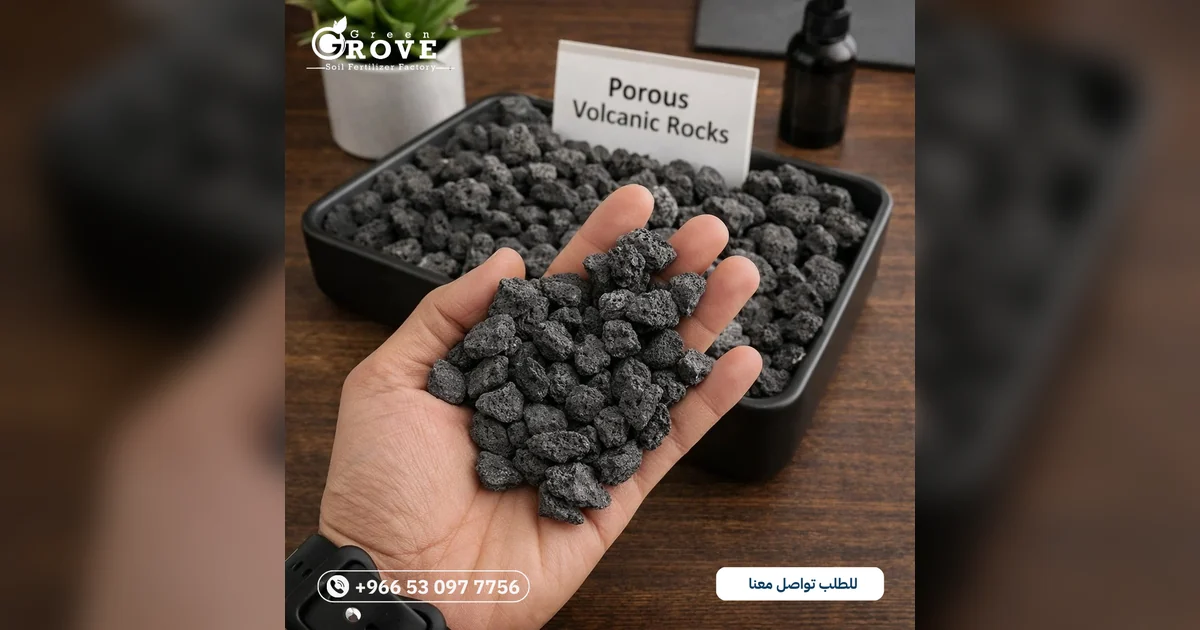
Agricultural volcanic stone can be useful when the problem is related to root-zone structure, low porosity, or compaction. Fine material such as 0–4 mm can be incorporated into suitable growing-media blends, while coarse 10–25 mm material fits applications that need larger structural particles. It is not a substitute for clearing a blocked drain, correcting excess irrigation, or solving an engineering drainage problem.

When Should You Inspect the Roots?

If a plant wilts while the medium remains wet, growth declines, or an unpleasant odor develops, inspect the root zone. Persistent saturation can reduce oxygen availability and may contribute to root decline. If disease is suspected or valuable plants are affected, professional diagnosis may be appropriate.

Summary

Ask one question first: where is the water being stopped? Once the cause is clear, select the response that addresses it. Volcanic stone can support a better physical structure when low porosity is part of the problem, but effective drainage management also depends on outlets, irrigation, soil depth, and site conditions.

Product Documents

Clear technical data before ordering

Download the technical sheet, safety sheet, analysis, and product cards used as references across the content center.

Frequently Asked Questions

Why does soil stay wet after irrigation?

Common causes include excess fine particles, compaction, blocked drainage outlets, irrigation that is too frequent, or poor field slope and subsurface drainage.

Can volcanic stone improve drainage?

It can support drainage when low porosity or compaction is part of the root-zone problem, but it cannot fix a blocked outlet, excessive irrigation, or an engineering drainage issue by itself.

When should I check the roots?

Inspect the root zone when a plant wilts while the soil remains wet, growth declines, or persistent saturation and odor suggest root stress.

Green Grove Soil

Need Help Choosing the Right Grade?

Our team can help you select the appropriate particle size and quantity based on the plant, irrigation method and intended application.