Root rot in plants is one of the most common reasons a plant declines even when it appears to receive enough water. The problem develops below the soil surface, where roots can become stressed by prolonged saturation, poor aeration, damaged growing media, or root-infecting pathogens.
Because the early symptoms often look like underwatering, many growers respond by adding even more water. That can make the root zone wetter and increase the damage. The most effective response starts with identifying the real cause, checking the roots, and correcting the conditions around them.
What Is Root Rot?
Root rot is a general term used when plant roots begin to decay and lose their normal ability to absorb water and nutrients. Healthy roots need a balance of moisture and oxygen. When a growing medium stays saturated for too long, air-filled pore space decreases and roots can become stressed.
Root rot can also involve fungi or fungus-like organisms that take advantage of wet, stressed, or damaged root systems. This means that excess water is not the only possible cause, but poor drainage and prolonged saturation are major risk factors in many container and landscape situations.
Common Symptoms of Root Rot
The symptoms above the soil can be confusing because they may resemble drought stress, nutrient deficiency, heat stress, or transplant shock. Watch for a combination of signs rather than a single symptom.
- Wilting even though the growing medium is still moist.
- Yellowing or premature leaf drop.
- Slow or stalled growth.
- Dark, soft, or mushy roots.
- An unpleasant smell from the growing medium.
- Roots that break apart easily when handled.
- Persistent wetness long after irrigation.
- Repeated decline after watering.
Healthy roots are usually firm and structurally intact. Root color varies by species, but severely decayed roots are often soft, darkened, and weak.
Why Does Root Rot Happen?
1. Overwatering
Watering too frequently can keep the root zone saturated before the plant has used the previous irrigation. The correct watering interval depends on the plant, container size, climate, growing medium, root mass, and season.
2. Poor Drainage
A container may have drainage holes and still drain poorly if the growing medium is too dense, compacted, or dominated by very fine particles. Water must be able to move through the entire root zone, not only through the bottom of the pot.
3. Compacted Growing Media
As some mixes age, particles can break down and settle. This reduces large pore spaces, slows drainage, and limits oxygen movement around roots.
4. Oversized Containers
A very large pot around a relatively small root system may hold more water than the plant can use efficiently. This does not automatically cause root rot, but it can increase the time the medium remains wet.
5. Blocked Drainage Holes
Roots, fine particles, decorative liners, or debris can obstruct water movement. Always confirm that excess irrigation can leave the container freely.
6. Root Pathogens
Some root diseases are caused by pathogens that spread through contaminated water, tools, growing media, or infected plant material. If multiple plants are affected or the problem returns repeatedly, disease diagnosis may be necessary.
How to Check a Plant for Root Rot
If the plant continues to wilt while the medium remains wet, inspect the root zone carefully.
- Stop adding water until you understand the moisture condition.
- Check the growing medium below the surface, not only the top layer.
- Confirm that drainage holes are open.
- If the plant can be removed safely, inspect the root ball.
- Look for firm healthy roots versus soft, dark, decaying roots.
- Check for sour or unpleasant odors.
- Review how often the plant has been watered and how long the medium stays wet.
For valuable plants, nursery stock, or repeated disease problems, professional diagnosis can help distinguish simple waterlogging from a specific root disease.
How to Treat Root Rot in Plants
Treatment depends on how advanced the damage is and what caused it. A severely decayed root system may not recover, while an early case may improve if the root-zone conditions are corrected quickly.
Step 1: Reduce Excess Moisture
Do not continue watering on a fixed schedule when the medium is already wet. Allow appropriate drying based on the plant species and growing conditions.
Step 2: Remove Severely Damaged Roots
If repotting is appropriate, remove visibly dead, soft, or decayed roots using clean tools. Avoid unnecessary damage to healthy tissue.
Step 3: Replace Degraded Growing Media
If the old mix is compacted, decomposed, contaminated, or holding water for too long, replace it with a fresh medium designed for the plant's root requirements.
Step 4: Improve Drainage and Aeration
A good growing medium should provide both water-holding capacity and air-filled pore space. The right balance depends on the crop, climate, irrigation method, and container design.
Step 5: Adjust the Watering Strategy
After repotting, avoid returning to the same watering pattern that caused prolonged saturation. Water according to the actual moisture condition of the medium and the plant's needs.
Can Volcanic Stone Help Prevent Root Rot?
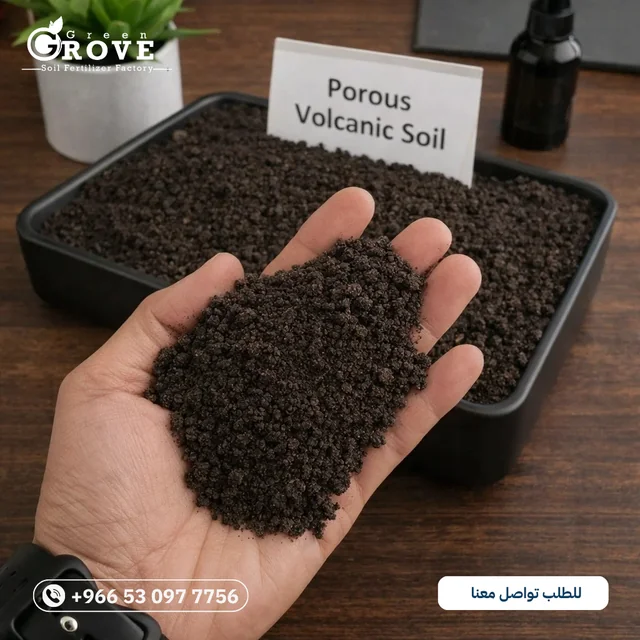
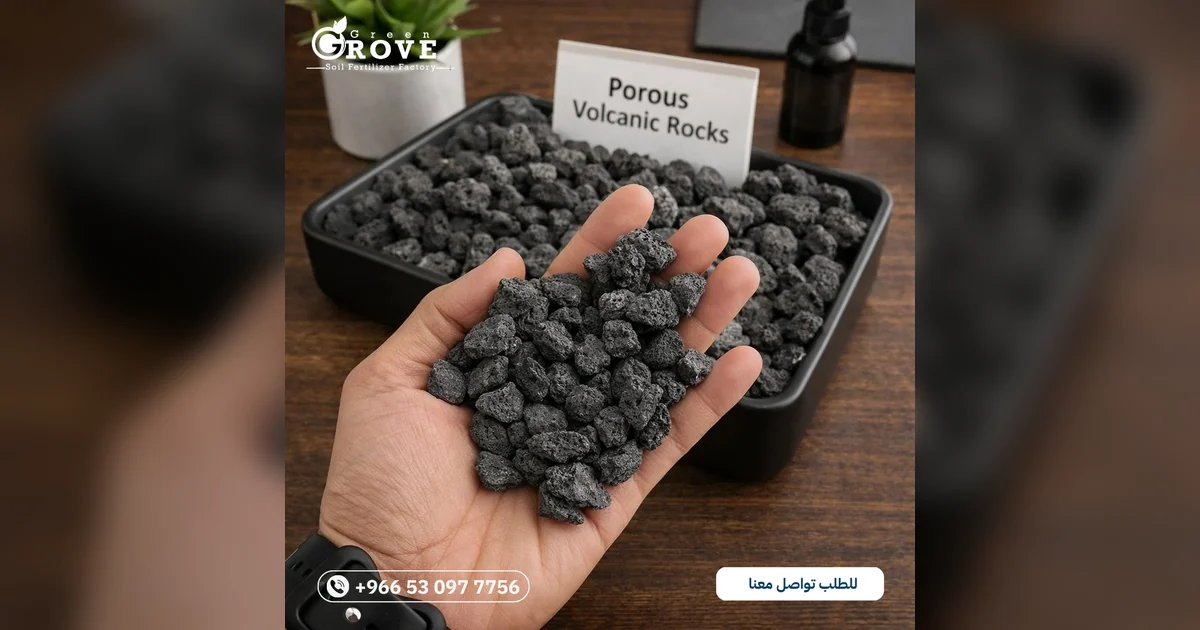
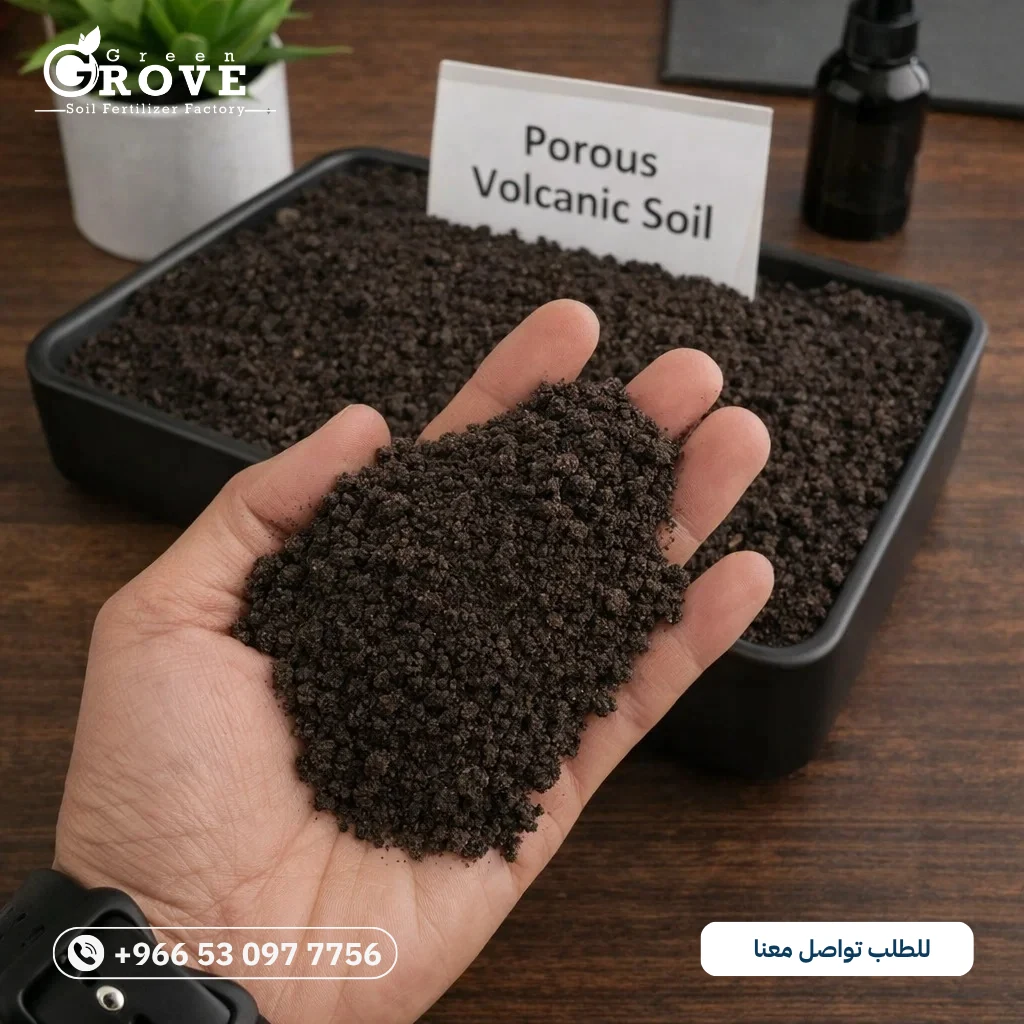
Volcanic stone is not a fungicide and it does not cure infected roots by itself. Its role is physical: certain porous and granular volcanic materials can be used as components in growing media to help improve structure, drainage, and aeration when selected and mixed correctly.
This can be useful when root problems are associated with dense or poorly aerated media. By increasing structural pore space, an appropriate volcanic aggregate can help water move through the mix while supporting better air exchange around the roots.
However, simply adding a small amount of coarse material to the bottom of a pot does not correct a compacted root zone. The growing medium around the roots must be designed as a balanced mixture.
For a broader guide, see Volcanic Stone for Plants: Benefits, Uses, and How to Choose the Right Size.
Choosing the Right Particle Size
Particle size strongly affects the physical behavior of a growing medium. Fine volcanic particles and coarse particles do not perform the same function.
Green Grove Soil supplies agricultural volcanic stone in different particle-size ranges, including fine material for incorporation into growing mixes and coarser material for applications that require larger structural particles.
The correct size and percentage should be selected according to the plant, existing medium, container depth, irrigation frequency, and target drainage level. There is no single universal ratio for every plant.
You can also read Volcanic Stone: Benefits, Uses, and Applications in Agriculture for a wider overview of volcanic materials in soil and growing-media management.