Green Grove Soil Factory logo
Green Grove Soil Factory
"Together, let’s make it greener"
AR

Why Is My Plant Wilting Even After Watering? Causes and Solutions

A wilted plant may be overwatered rather than thirsty. Learn how to distinguish drought from excess moisture, root problems, heat stress, and other causes.

Why Is My Plant Wilting Even After Watering? Causes and Solutions
Table of Contents

A plant can wilt even when the soil is wet. In that situation, adding more water may make the problem worse. Wilting is a symptom, not proof of drought. The correct response is to check root-zone moisture, drainage, temperature, nutrition, salinity, and recent transplant stress before deciding what to do.

Why Does a Plant Wilt While the Soil Is Moist?

Roots need oxygen as well as water. If the root zone remains saturated for too long, oxygen availability falls and damaged roots may become less able to take up water, even though plenty of water is present around them.

Main Possible Causes

Excess Irrigation and Poor Drainage

Frequent watering or a dense medium can keep the root zone saturated and reduce air-filled pore space.

Root Rot

Soft, dark, decaying roots can no longer function normally. Root rot may involve prolonged wetness and, in some cases, pathogens.

High Temperature

During extreme heat, leaves can lose water faster than roots can supply it. The surface may look dry while deeper soil remains wet, so check below the surface.

Salinity or Fertilization Problems

High salt concentration or an inappropriate fertilizer program can stress roots and create symptoms that resemble irrigation problems.

Root Damage During Transplanting

Recently moved plants can wilt because the root system has been disturbed before it fully re-establishes.

How to Distinguish Drought From Excess Water

CheckPossible DroughtPossible Excess Water
Root-zone moistureDry below the surfaceStill wet or saturated
Pot weightUnusually lightHeavy for a long period
DrainageWater moves through normallySlow or blocked
RootsMay be dry but firmMay become soft, dark, or damaged
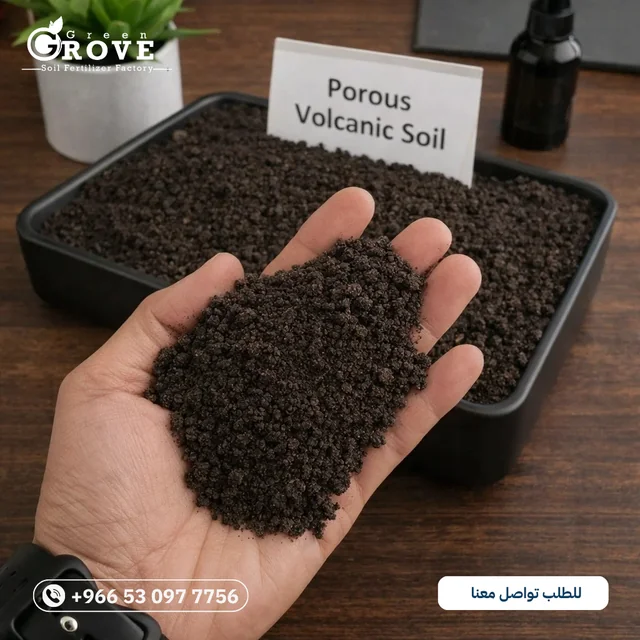
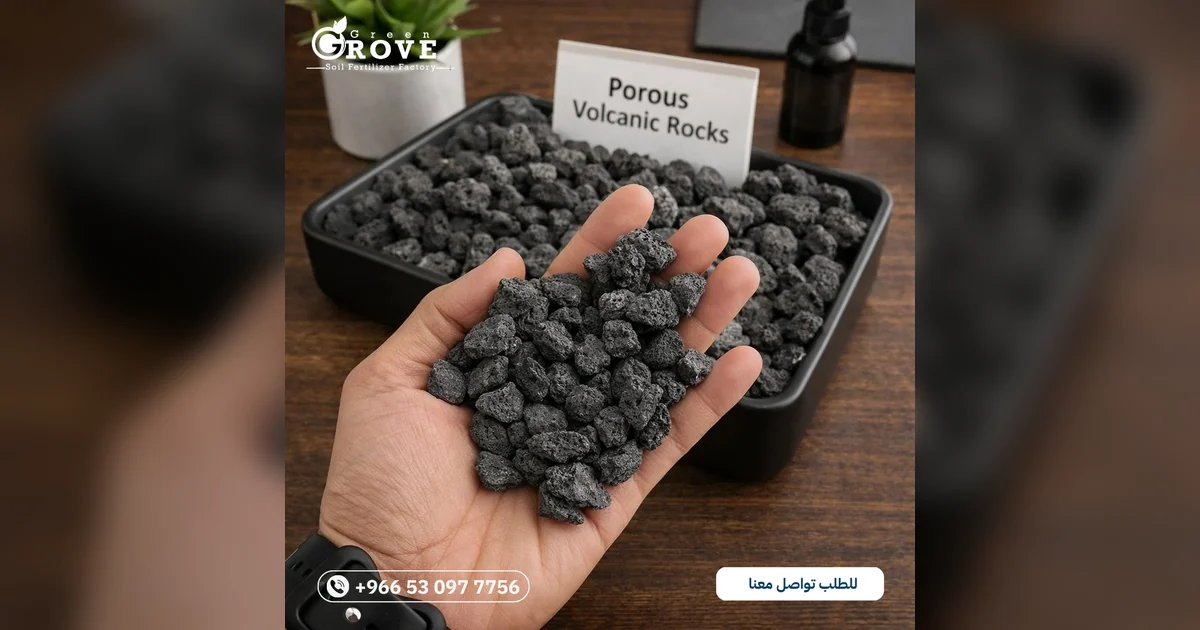
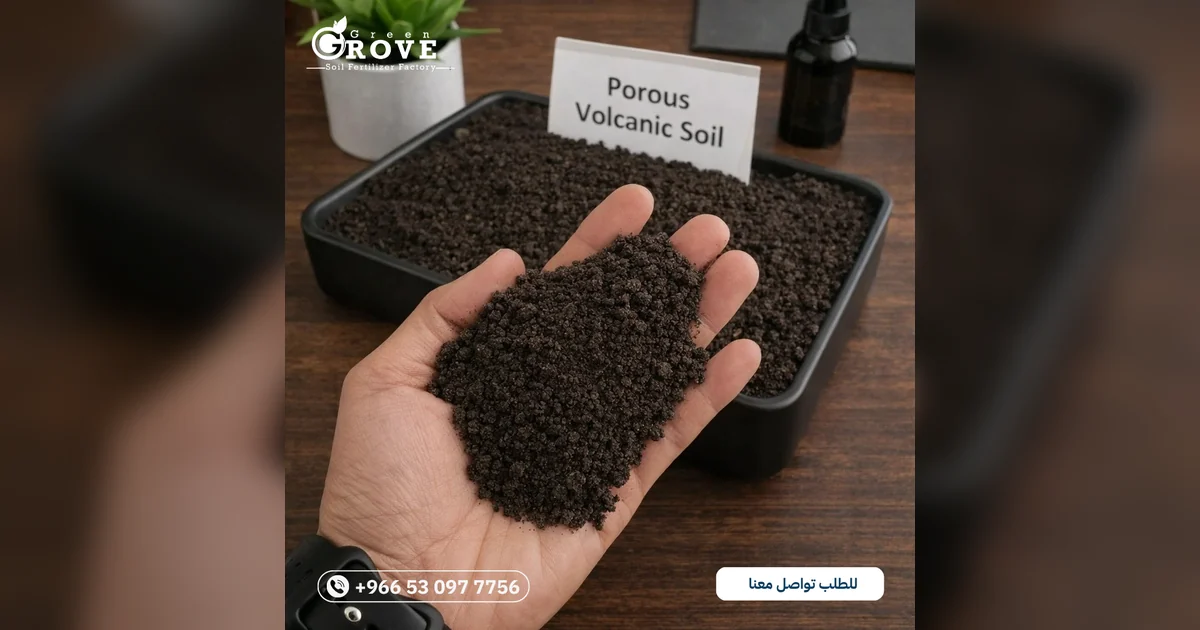
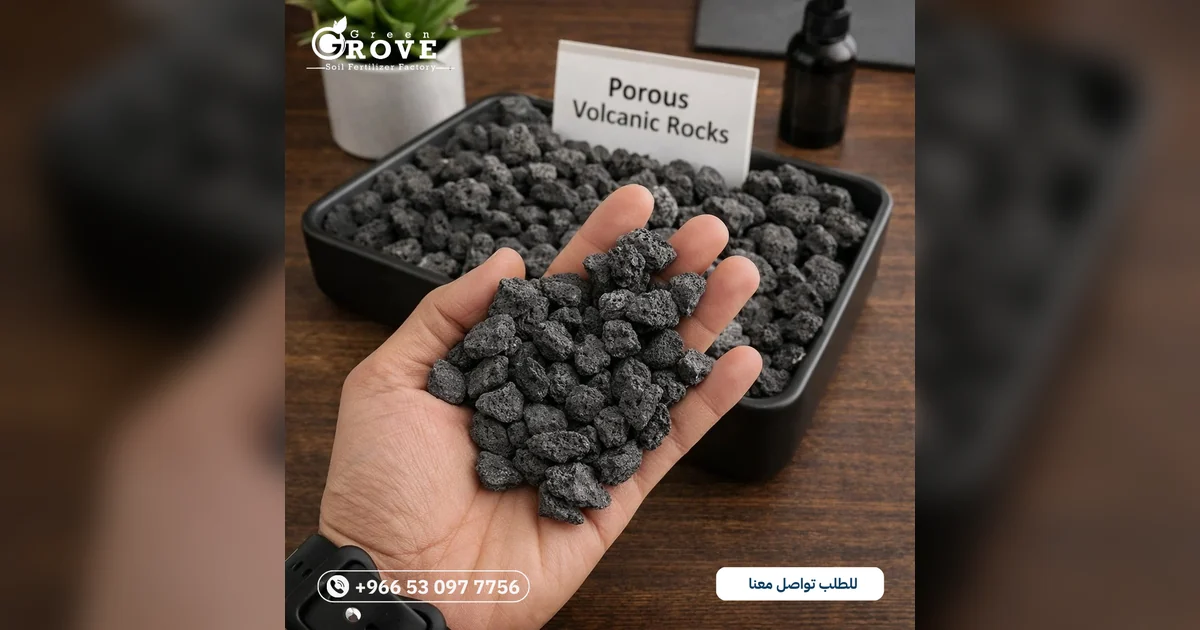
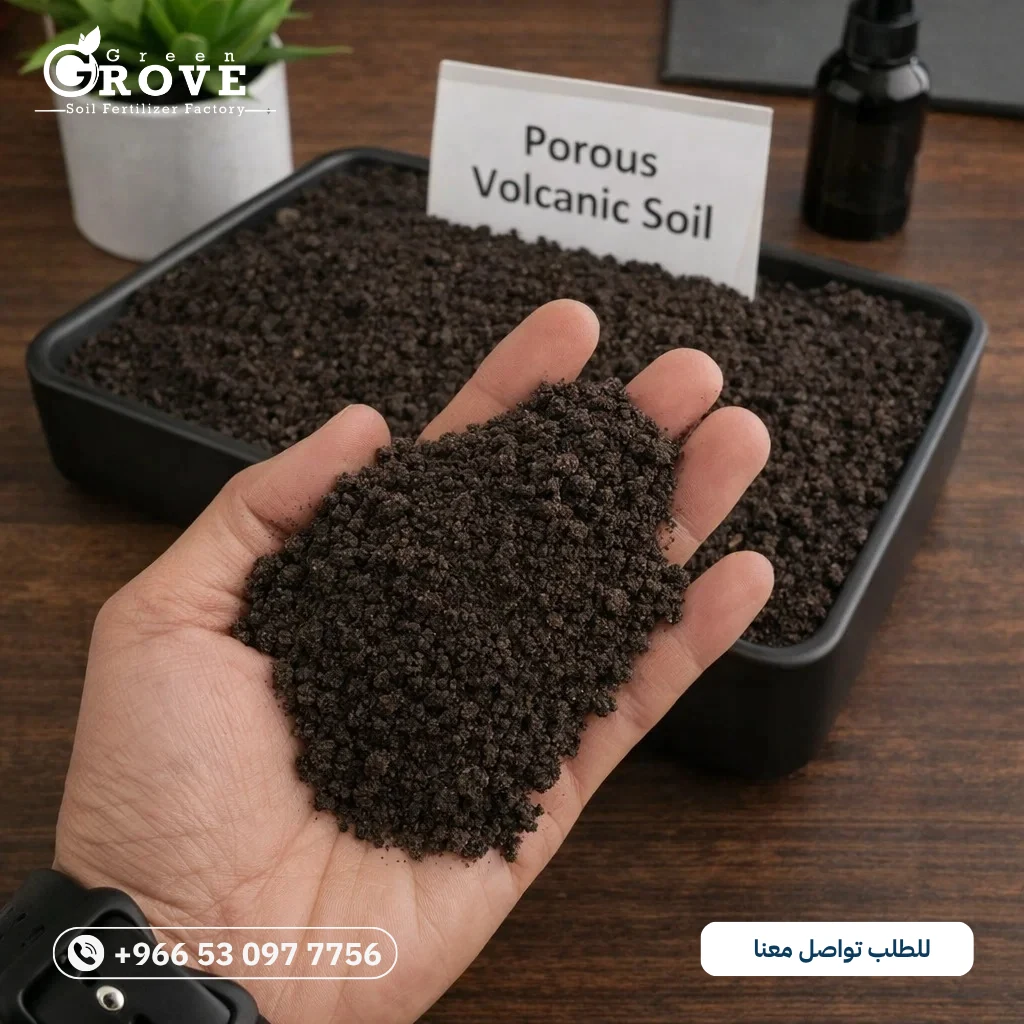
Green Grove Soil volcanic tuff 0–4 mm
Green Grove Soil Product

Natural agricultural volcanic rock for growing mixes and drainage

Choose the grade that fits your application. The delivery minimum is 50 bags, with quote requests available for larger quantities.

View SizesProduct Documents

Correct Response

  1. Check moisture below the surface before watering again.
  2. Confirm drainage holes or field drainage are functional.
  3. Inspect roots if wilting continues while the medium remains wet.
  4. Review recent heat, transplanting, fertilizer, and salinity changes.
  5. Adjust irrigation according to actual root-zone conditions rather than a fixed calendar.

When Can Volcanic Stone Help?

Volcanic stone can be part of the solution when a dense or poorly aerated medium is contributing to prolonged wetness. It can support physical structure, drainage, and air space when selected and blended correctly. It does not directly treat root pathogens, heat stress, salinity, or nutrient problems.

Summary

Do not respond to every wilted plant by adding water. Diagnose the root zone first. If moisture is already high, focus on drainage, aeration, root condition, and the other environmental factors that can prevent the plant from using water normally.

Product Documents

Clear technical data before ordering

Download the technical sheet, safety sheet, analysis, and product cards used as references across the content center.

Frequently Asked Questions

Can a plant wilt from too much water?

Yes. A saturated root zone can reduce oxygen availability and damage roots, making the plant wilt even though water is present.

How can I tell if a wilted plant needs water?

Check moisture below the surface, pot weight, drainage, and root condition rather than judging from leaves alone.

Does volcanic stone cure root rot?

No. It can support physical drainage and aeration in a properly designed growing medium, but it is not a treatment for root pathogens.

Green Grove Soil

Need Help Choosing the Right Grade?

Our team can help you select the appropriate particle size and quantity based on the plant, irrigation method and intended application.