Heavy clay soil contains a high proportion of fine particles. It can hold large amounts of water and nutrients, but when structure is poor it may drain slowly, become sticky when wet, harden when dry, and restrict air movement and root expansion. Improvement should focus on the whole root-zone structure, not on adding one material in isolation.
Why Is Clay Soil Heavy?
Clay particles are extremely small and have a large surface area. When they pack closely together, the soil can contain too few large pores for rapid drainage and aeration. The result varies with mineralogy, organic matter, aggregation, irrigation water, traffic, and site drainage.
Common Problems in Heavy Clay Soil
- Slow infiltration and prolonged surface ponding.
- Poor drainage after irrigation or rain.
- Compaction and hard clods after drying.
- Limited root penetration.
- Difficulty working the soil when it is too wet.
How to Improve Clay Soil
Start by understanding depth, drainage, slope, and the crop’s rooting zone. Organic matter can support aggregation and biological activity, while structural mineral components may help diversify particle size and pore distribution when incorporated appropriately. Avoid working saturated clay because traffic and tillage can make compaction worse.
Role of Volcanic Stone
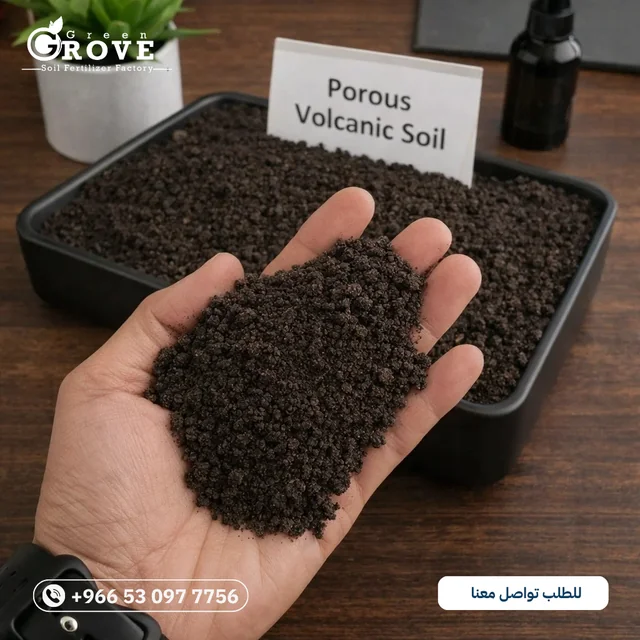
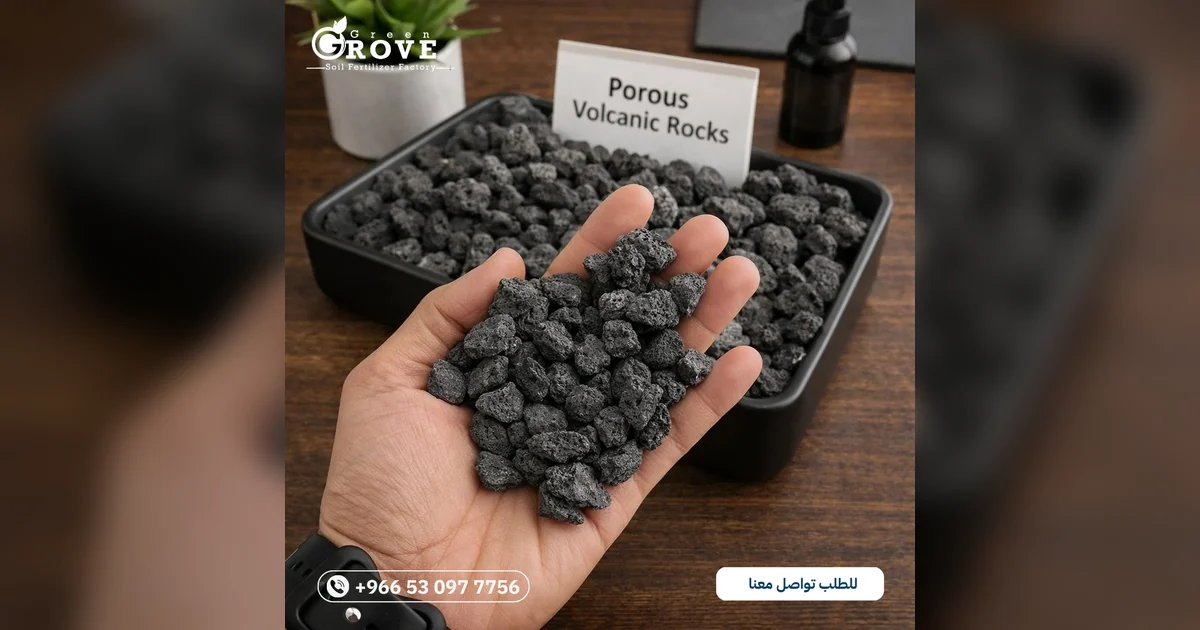
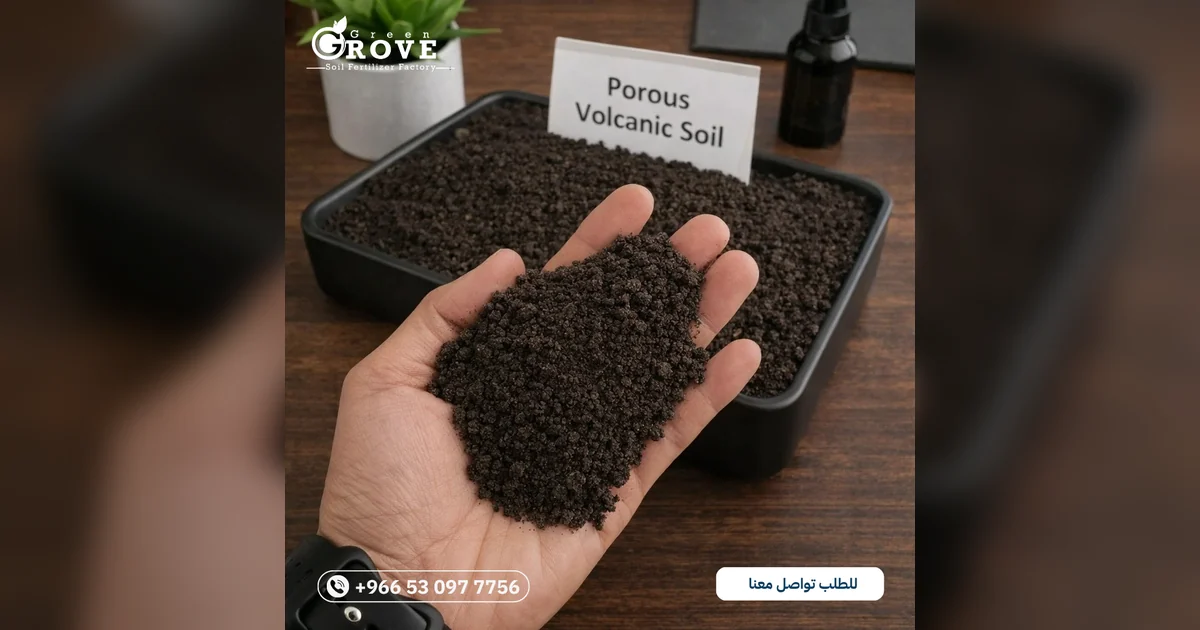
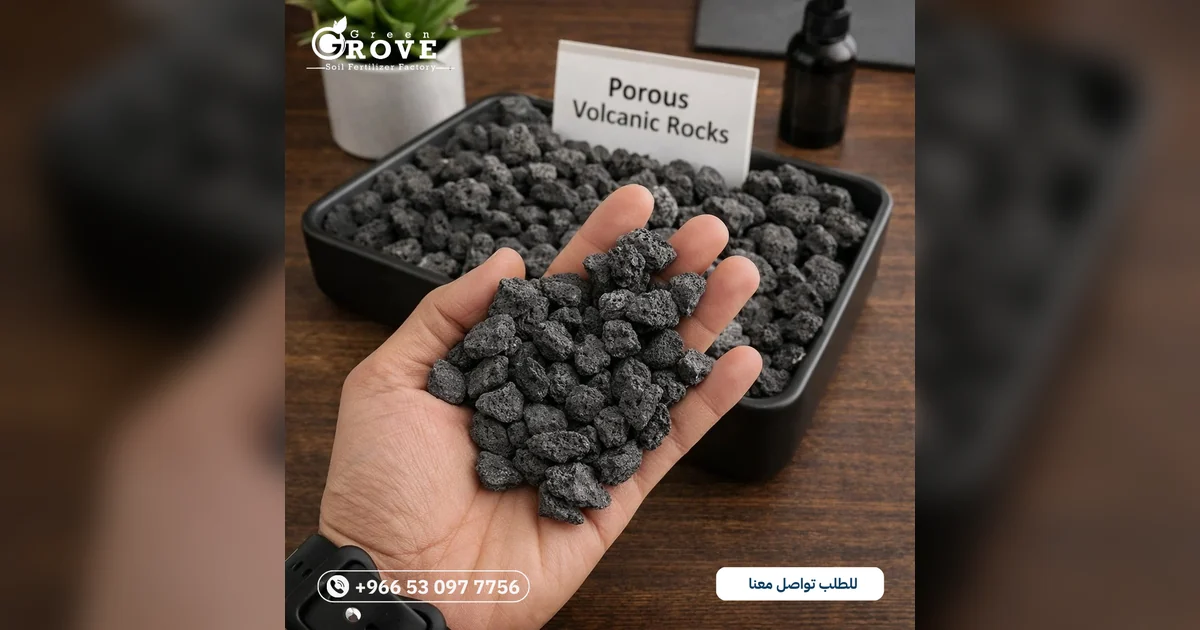
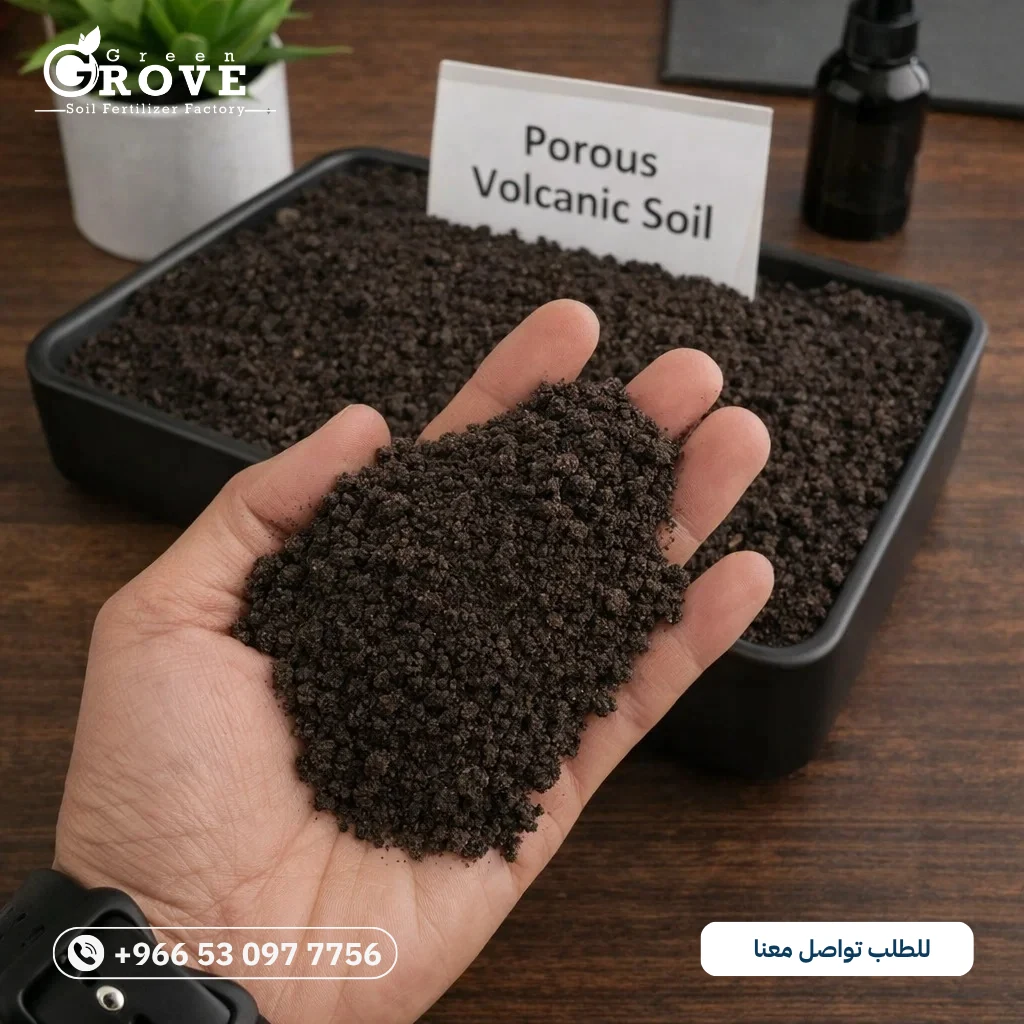
Agricultural volcanic stone can act as a stable porous mineral component inside a root-zone amendment strategy. Fine 0–4 mm material is generally the closer fit when the objective is to distribute particles through amended soil or a prepared growing zone. The material should be mixed into a meaningful soil volume rather than applied as a token surface layer.