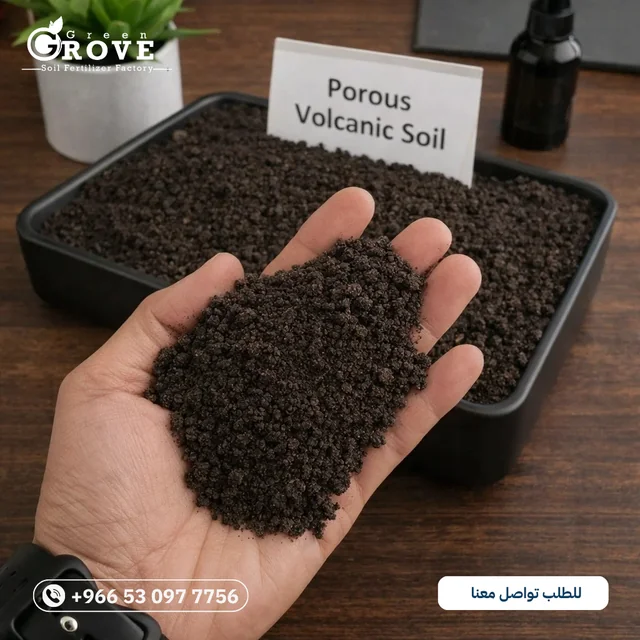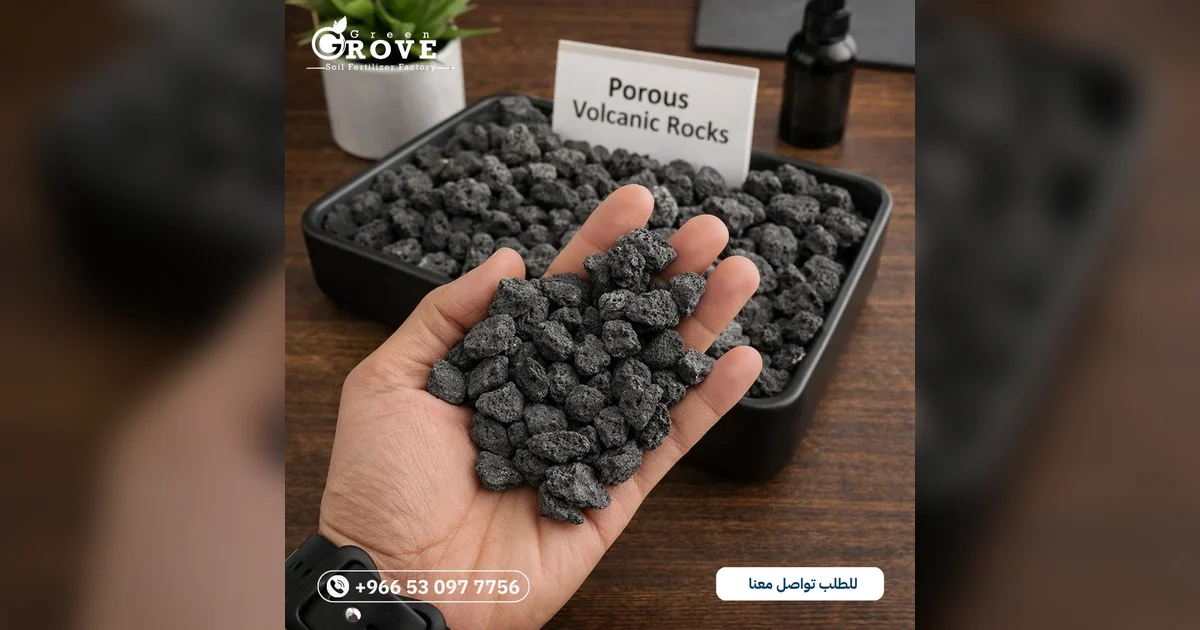
Volcanic stone and agricultural perlite are both used to modify the physical behavior of growing media, but they are not the same material and should not automatically be substituted one-for-one. Their density, particle structure, handling, and behavior in a mix differ.
What Is the Difference Between Volcanic Stone and Perlite?
Agricultural Volcanic Stone
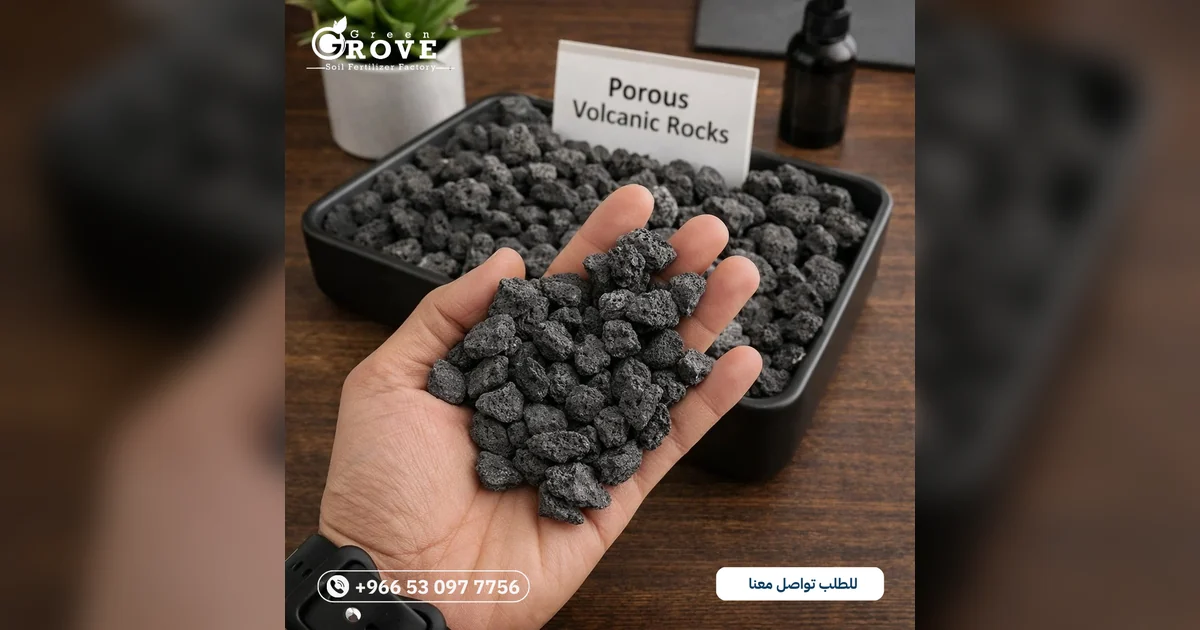
Volcanic stone is a natural mineral material produced by volcanic processes. Depending on its source and grade, porous particles can be used to support growing-media structure, aeration, drainage, and resistance to compaction. It is generally heavier and more physically stable than expanded perlite.
Agricultural Perlite
Perlite is a volcanic glass that is industrially heated until it expands into a very light, porous material. Its low weight makes it widely used in potting and propagation mixes, but the particles behave differently from denser natural volcanic aggregates.
When Might Volcanic Stone Be Preferred?
- When greater particle stability and weight are useful.
- When a mineral component is intended to remain in a long-term mix.
- When using coarse granular applications that require particles heavier than expanded perlite.
- When local supply or technical specifications make volcanic stone the better project fit.
When Might Perlite Be Preferred?
- When minimizing growing-medium weight is a major priority.
- In propagation or potting formulations already designed around lightweight expanded aggregates.
- When the crop, container system, or production line is standardized around perlite.
Can They Be Used Together?
Yes, a growing-media formulation may include more than one structural component when each material has a defined function. The resulting air-to-water balance should be tested rather than assuming that adding two aeration materials is automatically better.