Green Grove Soil Factory logo
Green Grove Soil Factory
"Together, let’s make it greener"
AR

Volcanic Stone for Hydroponics: When It Fits and How to Prepare It

A practical guide to using volcanic stone in hydroponic and aquaponic granular systems, including grade selection, washing, irrigation, nutrition, and common mistakes.

Volcanic Stone for Hydroponics: When It Fits and How to Prepare It
Table of Contents

Yes, volcanic stone can be used in hydroponics when the system is designed around a stable granular medium surrounding the roots. It is not used in the same way in every hydroponic system, and it should not be treated as fertilizer or as a source of plant nutrients. The correct decision starts with the system type, then the particle size, followed by washing, irrigation management, and nutrient-solution management.

If your goal is to understand agricultural applications and available sizes in general, start with a broader agricultural volcanic stone guide. This article focuses specifically on using volcanic stone as a medium, or as part of a medium, in hydroponic and aquaponic systems.

When Is Volcanic Stone Suitable for Hydroponics?

Its role is clearest in systems that require a granular medium with physical stability and air spaces around the roots. A porous, rigid granular structure can help the medium remain relatively open rather than compacting quickly, but irrigation and nutrition still have to be managed according to the crop and system.

  • Grow beds and systems that rely on a granular root-zone medium.
  • Selected aquaponic applications after appropriate preparation and washing.
  • Pots or containers irrigated with nutrient solution where the system needs a stable granular medium.
  • Coarse growing-media blends where higher aeration and faster drainage are priorities.

When Should It Not Be the Main Medium?

Some hydroponic systems do not use a granular medium around the full root system. In those cases, filling the system with stone simply because it is an agricultural material adds no automatic benefit. The material’s physical function must match the system design. A recipe from one system should not be transferred to another without considering how water, oxygen, and nutrient solution reach the roots.

Which Size Is Most Suitable? Why 10–25 mm Is the Clearer Granular-Media Option

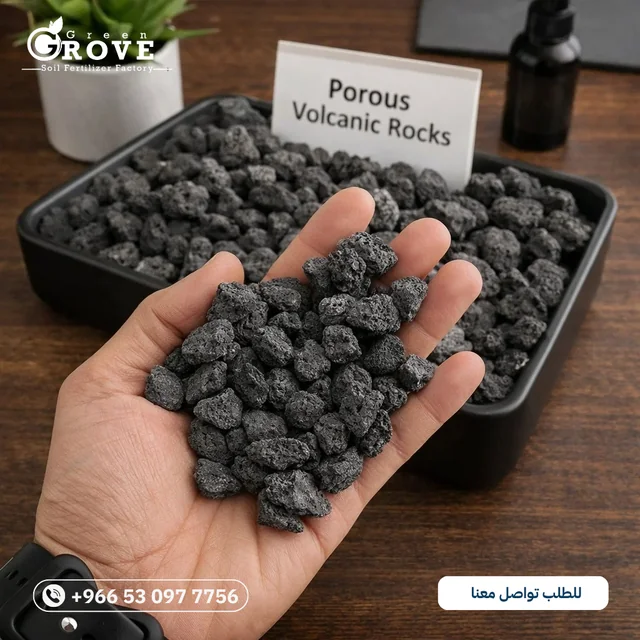
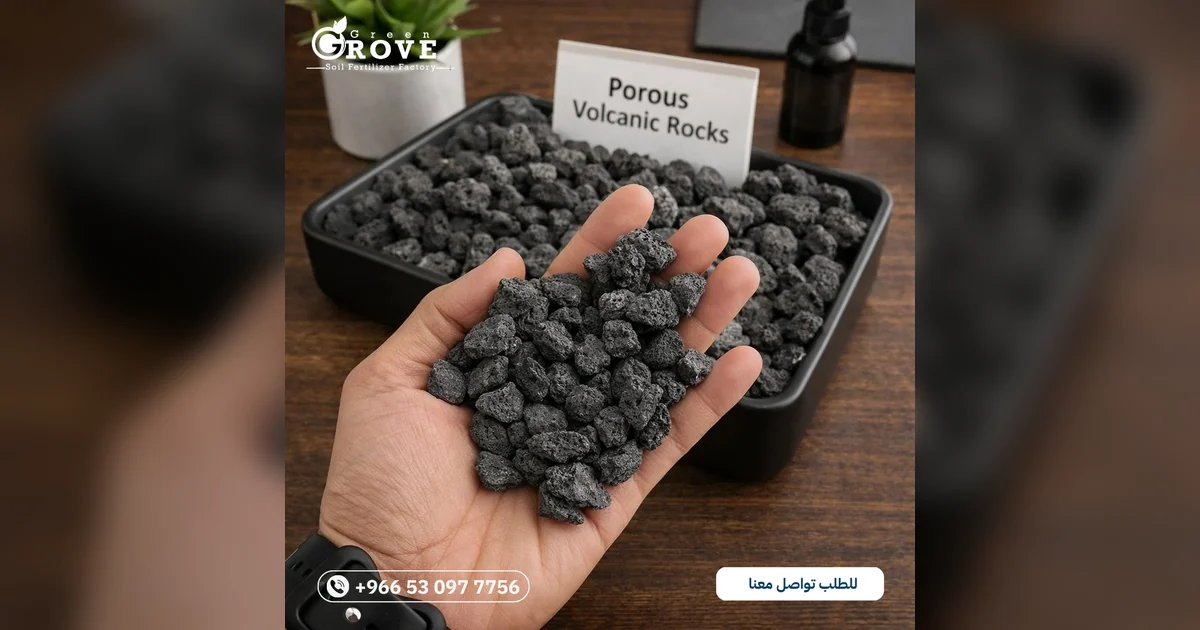
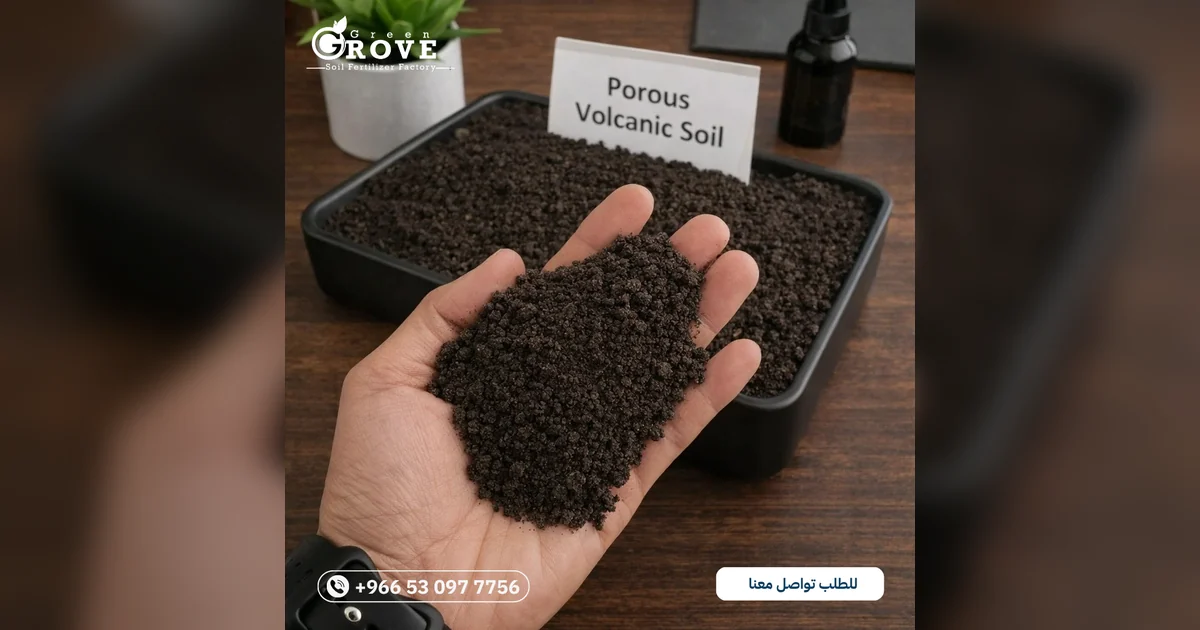
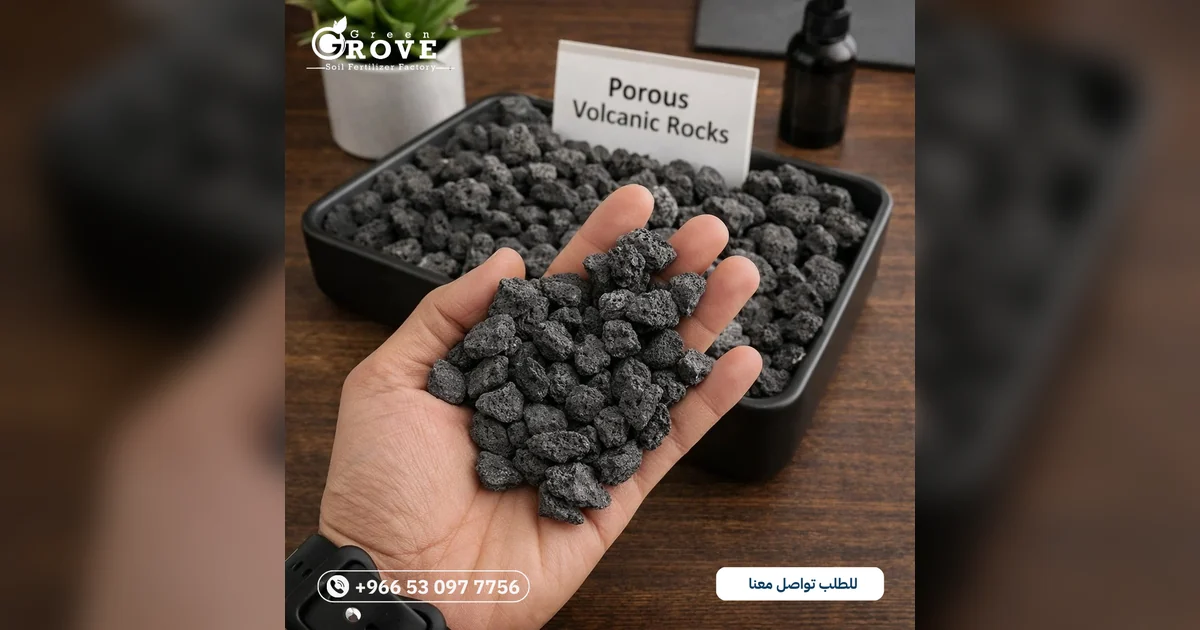
According to the Green Grove Soil product information used by the source article, two principal grades are discussed. 10–25 mm is the coarse grade positioned for aeration, drainage, granular beds, and selected hydroponic and aquaponic applications after washing. 0–4 mm is generally more suitable as a component in soil, peat, and coco blends rather than as the default fill material for a complete granular hydroponic bed.

GradeBest-Fit RolePractical Note
0–4 mmComponent in agricultural growing-media blendsContains finer particles; selection depends on the blend rather than the label “hydroponic.”
10–25 mmCoarse medium, aeration, and drainageBetter aligned with granular beds and selected hydroponic systems after thorough washing.

How to Prepare Volcanic Stone Before Adding It to the System

  1. Check particle size: confirm that the grade works with drainage openings, pumps, plant supports, and the way the crop is held in place.
  2. Wash the particles thoroughly: washing helps remove dust and fine material before it reaches the tank, pump, or irrigation lines.
  3. Do not assume the stone feeds the plant: nutrition comes from the nutrient solution and crop-management program.
  4. Test the system before scaling up: monitor water movement, drainage time, and plant stability in a limited section before applying the method to the full system.
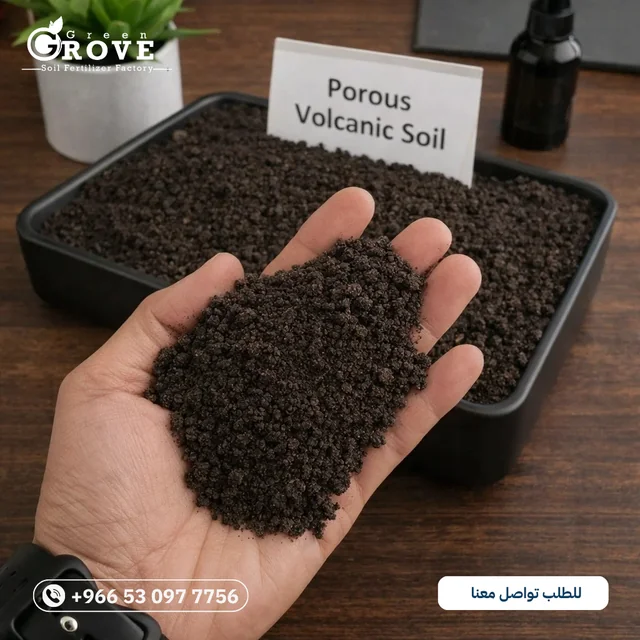
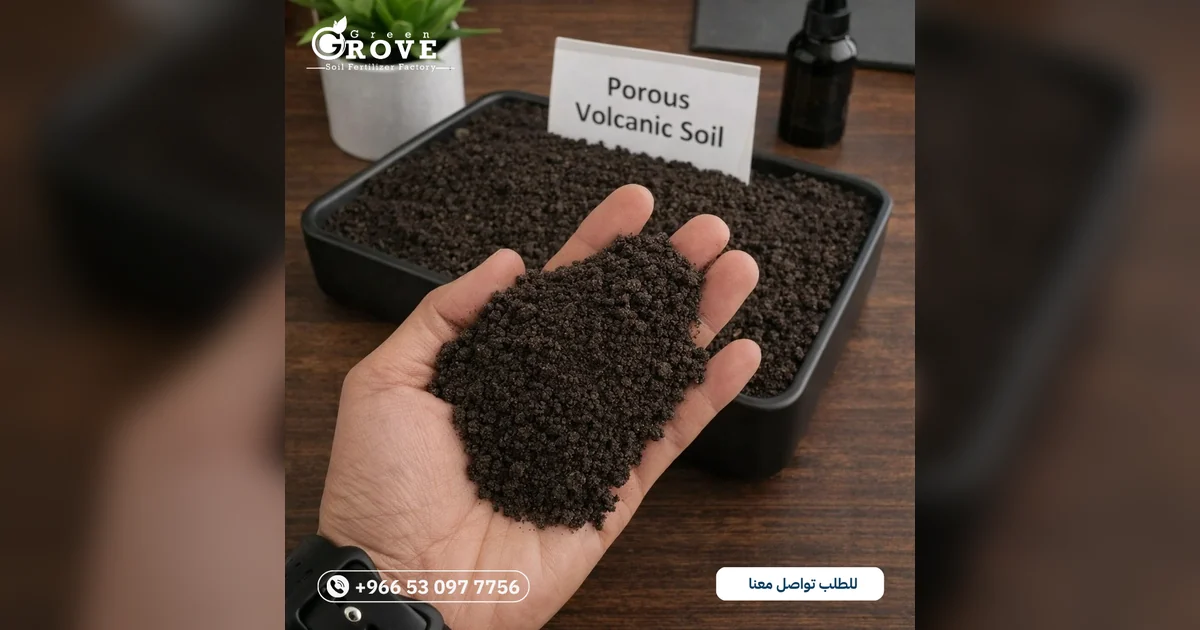
Green Grove Soil volcanic tuff 0–4 mm
Green Grove Soil Product

Natural agricultural volcanic rock for growing mixes and drainage

Choose the grade that fits your application. The delivery minimum is 50 bags, with quote requests available for larger quantities.

View SizesProduct Documents

Irrigation and Nutrition After Installation

Volcanic stone is a porous mineral material, but porosity does not create one universal irrigation schedule. Irrigation frequency depends on particle size, container or bed volume, temperature, crop, and system design. Nutrient solution should also be managed as a separate agronomic system; the stone changes physical properties but does not replace crop nutrition.

Common Mistakes That Can Make the System Perform Poorly

  • Using unwashed particles in a system that is sensitive to dust and fines.
  • Selecting a fine grade simply because it is available, without considering the drainage rate required by the system.
  • Treating volcanic stone as fertilizer or relying on it instead of a nutrient solution.
  • Copying an irrigation schedule from a different growing medium without checking drying and drainage behavior.
  • Using a granular material in a system that does not actually require one and expecting automatic improvement.

How to Choose Before Buying

Define the system type, bed or container volume, required particle size, and quantity before requesting a quotation. For a commercial project, preparing these details in advance makes it easier to review grade, packaging, and supply requirements. If you are still choosing among several agricultural applications, start with a general volcanic-stone guide and then move to the article that matches your system.

Summary

Volcanic stone can suit hydroponic systems that require a porous, stable granular medium, with the coarse 10–25 mm grade being the clearer option for granular applications in the source product data. Thorough washing, correct irrigation and nutrition management, and matching particle size to system design are more important than using the material simply because it is described as volcanic stone.

Product Documents

Clear technical data before ordering

Download the technical sheet, safety sheet, analysis, and product cards used as references across the content center.

Frequently Asked Questions

Is volcanic stone suitable for every hydroponic system?

No. It is most relevant when the system uses a granular medium around the roots. Systems that do not require a granular medium do not benefit from adding it in the same way.

What volcanic-stone size is best for granular hydroponics?

In the source product guidance, the coarse 10–25 mm grade is the clearer choice for granular beds and selected hydroponic or aquaponic applications after thorough washing.

Should volcanic stone be washed before hydroponic use?

Yes. Thorough washing is recommended to reduce dust and fine particles before the material enters tanks, pumps, or irrigation lines.

Does volcanic stone replace hydroponic nutrients?

No. Its role is physical. Crop nutrition still comes from the nutrient solution and the system's fertilization program.

Green Grove Soil

Need Help Choosing the Right Grade?

Our team can help you select the appropriate particle size and quantity based on the plant, irrigation method and intended application.