The best soil for houseplants is not one universal bagged mix. Indoor plants differ in root structure, water demand, container size, light, and temperature. A useful potting medium should provide root support, usable moisture, drainage, and air-filled pore space in a balance that matches the plant.
What Should Houseplant Soil Be Like?
- Open enough for excess irrigation to drain.
- Stable enough that it does not collapse rapidly after repeated watering.
- Able to hold sufficient moisture without staying saturated for too long.
- Appropriate in particle size for the plant and container.
- Compatible with the irrigation and fertilizer program.
Why Do Some Potting Mixes Fail?
Some mixes start loose but become dense as organic components break down and fine particles settle. Others contain too much fine material from the beginning. A large pot, low light, cool conditions, or frequent watering can make slow drainage more serious.
How to Choose a Mix
Start with the plant’s root-zone needs rather than a fixed recipe. Compare how long the mix stays wet, how easily water enters and leaves, and whether the roots need a finer moisture-retentive medium or a more open mineral structure.
Role of Volcanic Stone in Potting Soil
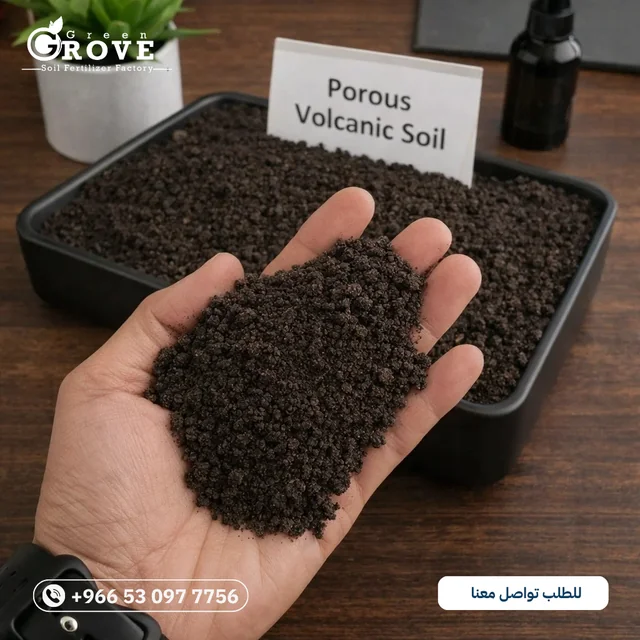
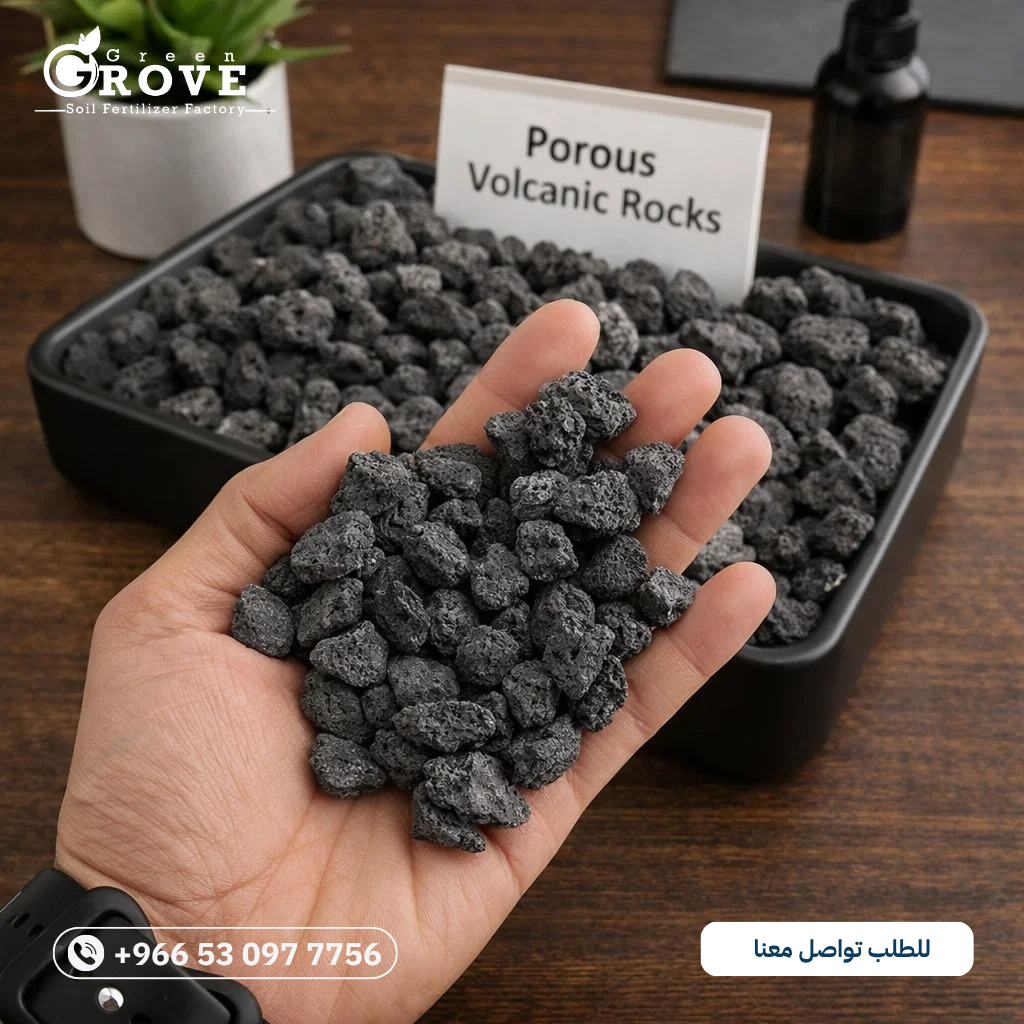
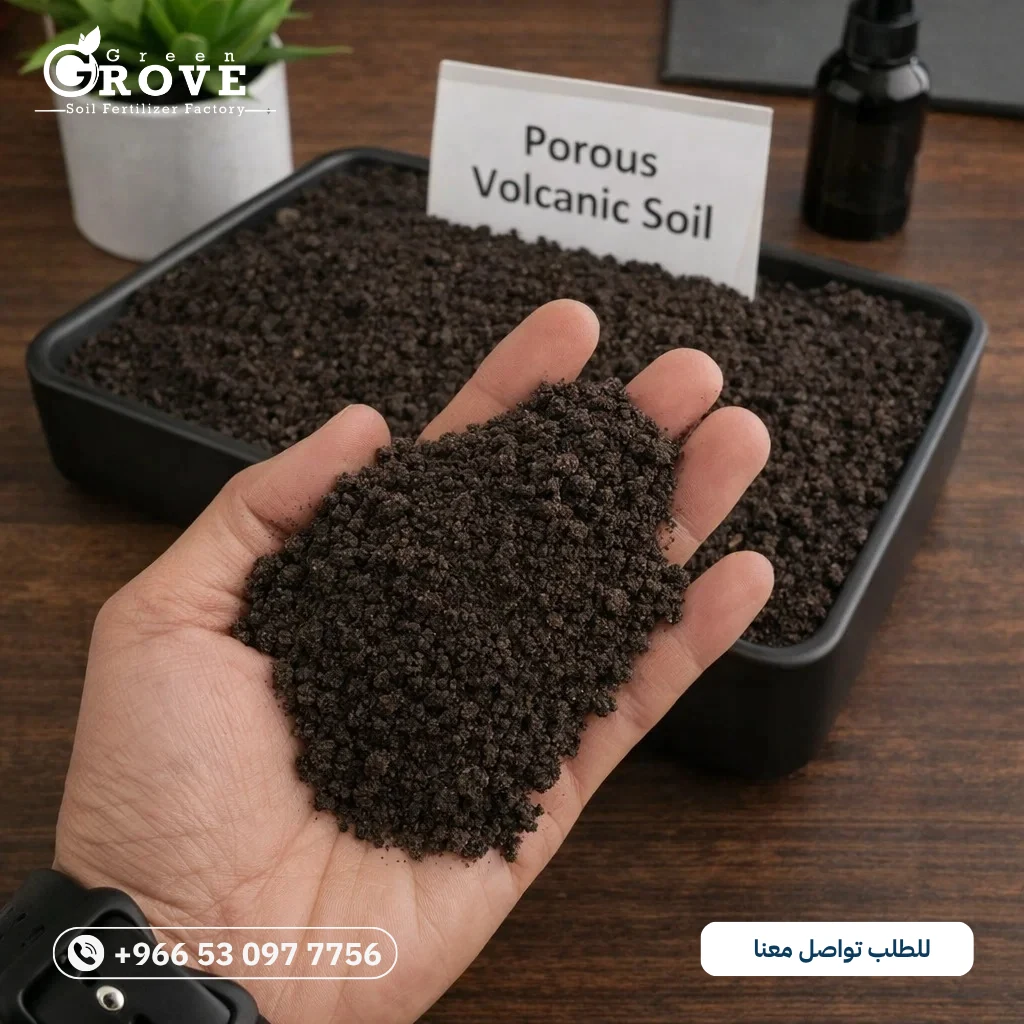
Agricultural volcanic stone can be used as a stable mineral component to improve physical structure. The fine 0–4 mm grade is generally the closer fit for blending through potting media. Coarser material may suit specific plants or drainage-oriented structures, but it should not automatically be added as a thick bottom layer while the root-zone mix remains dense.