Green Grove Soil Factory logo
Green Grove Soil Factory
"Together, let’s make it greener"
AR

Best Soil for Houseplants: A Complete Guide to Choosing and Improving Potting Mix

A detailed guide to choosing houseplant soil, comparing good and poor potting mixes, and using organic and mineral components for better root-zone structure.

Best Soil for Houseplants: A Complete Guide to Choosing and Improving Potting Mix
Table of Contents

Healthy houseplants start with the root zone. A useful potting mix should not be so dense that it remains saturated, or so open that it dries immediately. The goal is a balance of usable moisture, aeration, drainage, and structural stability.

How Do You Know the Potting Soil Is Unsuitable?

  • Water remains on the surface or drains very slowly.
  • The pot stays heavy and wet for many days.
  • The mix shrinks and separates from the pot wall.
  • An unusual odor develops.
  • The plant wilts even though irrigation seems regular.

What Happens to the Roots?

When air-filled pore space decreases, roots have less oxygen and may absorb water and nutrients less efficiently. Slow growth, yellow leaves, and weak or damaged roots can follow.

Characteristics of a Good Houseplant Mix

  • Light enough to remain open rather than clumping.
  • Balanced drainage.
  • Appropriate moisture retention.
  • Good air movement.
  • Reasonable structural stability over time.
  • Free from unusual odors and obvious contaminants.

The most useful mixes combine organic components that hold moisture with mineral components that support aeration, drainage, and structure.

Main Components of a Houseplant Mix

Organic Components

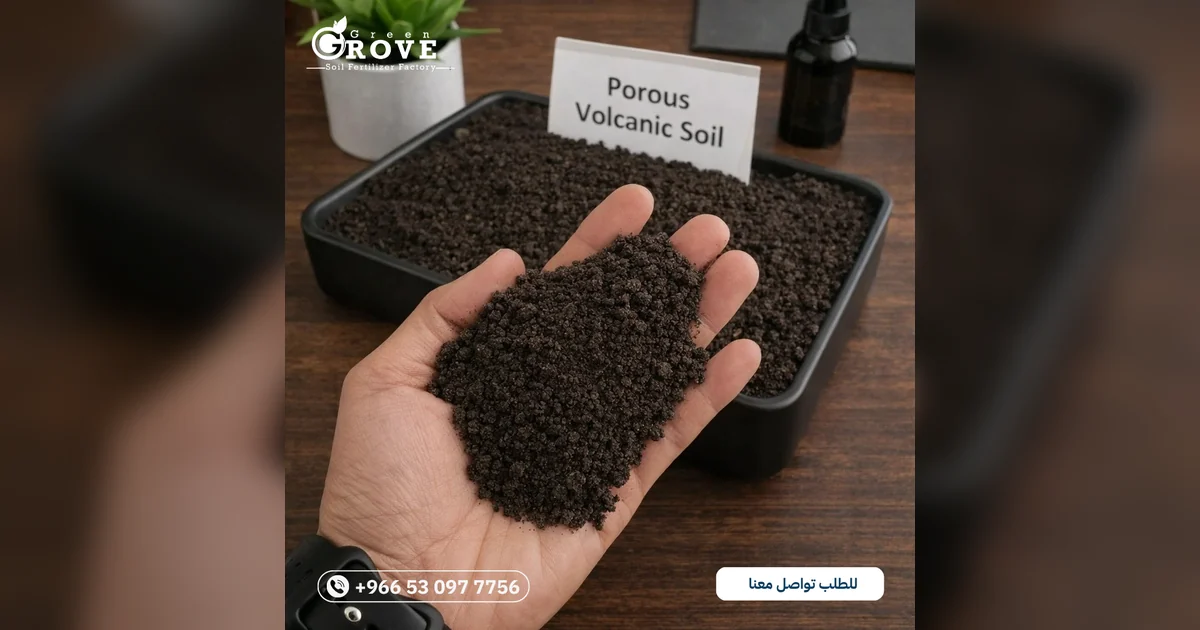
Peat moss, cocopeat, and mature compost can provide moisture-holding capacity and a root-supporting base, although some organic materials compact or decompose over time.

Aeration Components

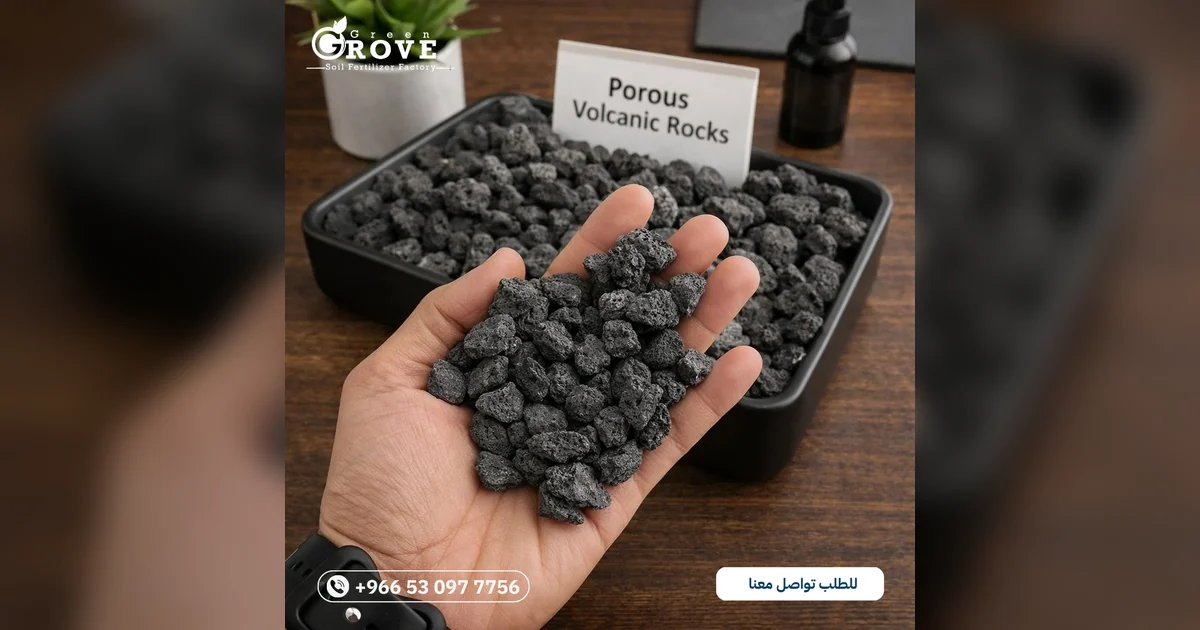
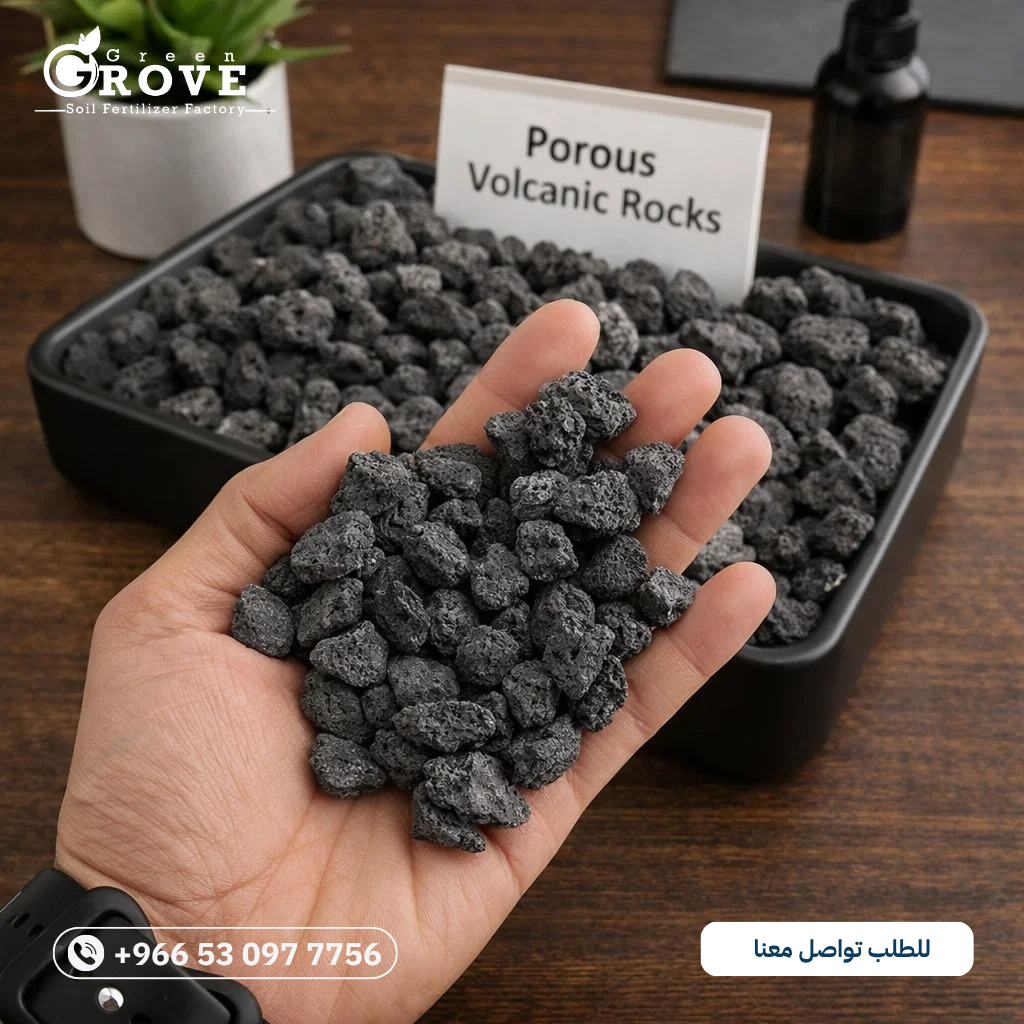
Materials such as agricultural volcanic stone or perlite can increase structural pore space and improve air movement through the root zone.

Drainage and Stability Components

Stable mineral particles can support excess-water movement and help the mix retain physical structure during long periods in a container.

Good vs. Unsuitable Potting Soil

Good MixUnsuitable Mix
Open and aeratedHeavy and compacted
Excess water leaves readilyRemains saturated after irrigation
Maintains balanced moistureEither dries too fast or stays wet too long
Allows roots to spreadRestricts root development

Choose Soil According to Plant Type

Plant TypeRoot-Zone RequirementKey Point
Indoor foliage plantsBalanced moisture and good aerationAvoid prolonged saturation
Cacti and succulentsHigher drainage and more mineral structureWater after appropriate drying
SeedlingsLight, uniform mixAvoid excessively coarse particles
Container treesStructural stability and suitable drainageUse an appropriate container size

Slow drainage, compaction, and shrinkage are among the most common potting-soil problems.

Role of Volcanic Stone in Potting Mixes

Volcanic stone is not a fertilizer or a complete soil by itself. Its role is to modify the physical properties of the medium when used at a suitable particle size and proportion. It can support pore space, excess-water movement, resistance to compaction, structural stability, moisture distribution, and root spread.
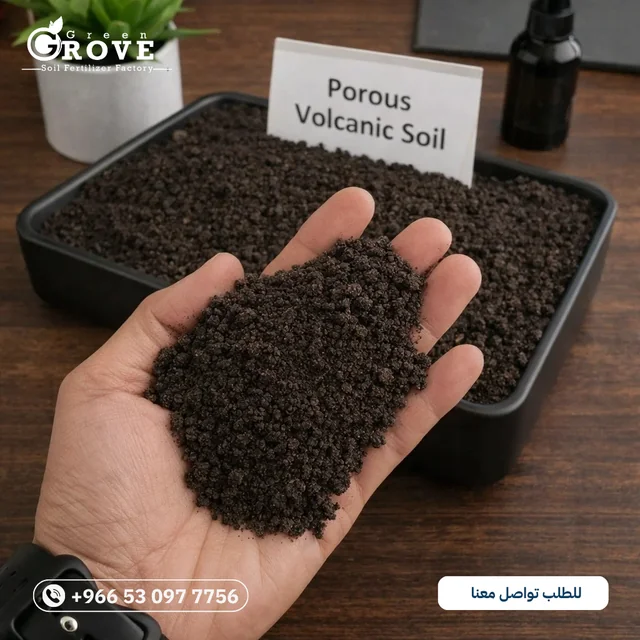
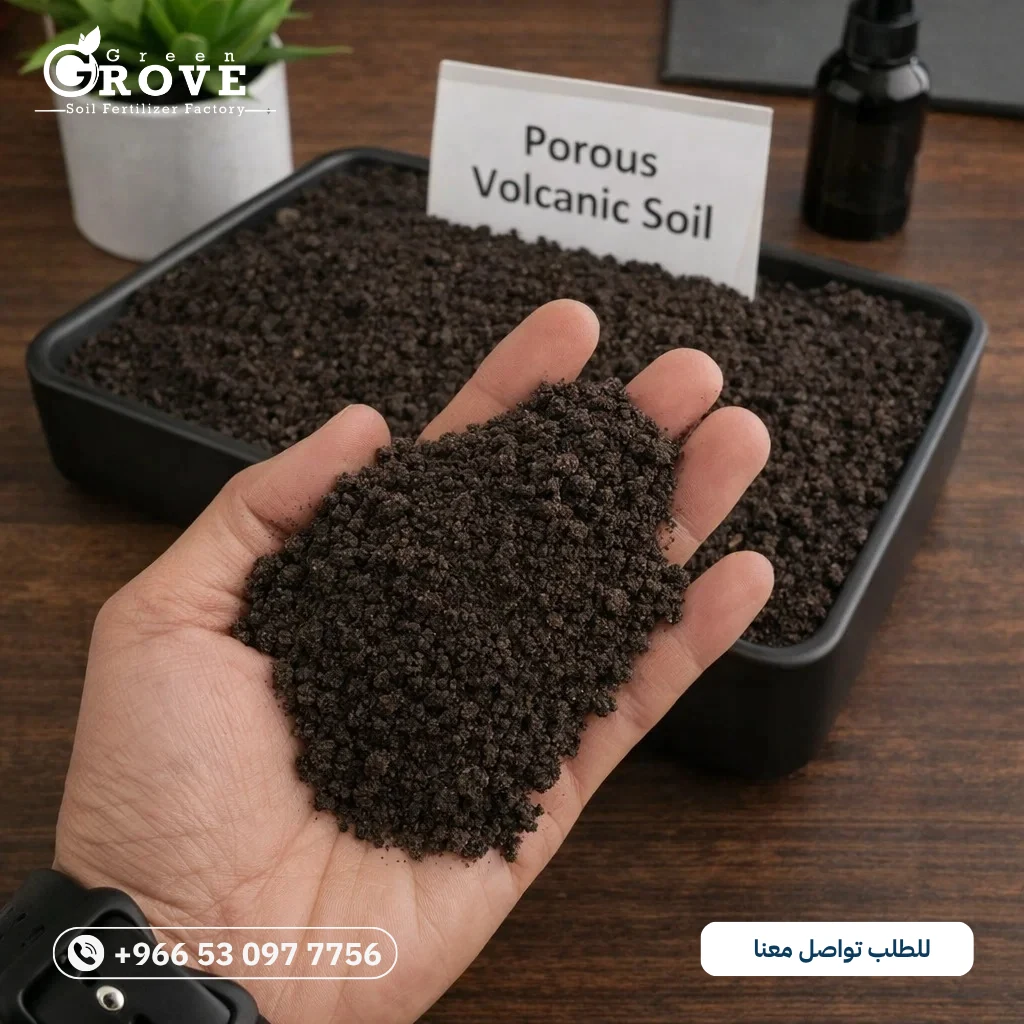
Green Grove Soil volcanic tuff 0–4 mm
Green Grove Soil Product

Natural agricultural volcanic rock for growing mixes and drainage

Choose the grade that fits your application. The delivery minimum is 50 bags, with quote requests available for larger quantities.

View SizesProduct Documents

Which Volcanic-Stone Grade Fits?

Fine 0–4 mm

  • Suitable for incorporation into potting mixes.
  • Can be distributed uniformly with other ingredients.
  • Fits many houseplant and nursery applications.

Coarse 10–25 mm

  • Fits selected planters, succulent, top-dressing, or coarse applications.
  • Creates larger structural spaces in appropriate systems.
  • Is not suitable as a default choice for every seedling or small pot.

Before and After Improving a Dense Mix

Before

  • Compacted medium.
  • Slow drainage.
  • Long-lasting wetness.
  • Poor root spread.

After an Appropriate Structural Improvement

  • More pore space.
  • Better movement of excess water.
  • Improved aeration around roots.
  • Greater physical stability.

The improvement should be judged by root-zone behavior and new growth rather than expecting an immediate cosmetic change in old leaves.

Common Houseplant Soil Mistakes

  • Using heavy garden soil unchanged in a pot.
  • Using one mix for every plant species.
  • Using pots without effective drainage holes.
  • Watering on a fixed calendar without checking moisture.
  • Adding large amounts of coarse material without testing the resulting mix.

Summary

The best houseplant soil is a balanced root-zone system. Choose components and particle sizes according to the plant, pot, climate, and irrigation method. Volcanic stone can support aeration, drainage, and stability, but it should be integrated into a complete growing mix rather than used as a stand-alone solution.

Product Documents

Clear technical data before ordering

Download the technical sheet, safety sheet, analysis, and product cards used as references across the content center.

Frequently Asked Questions

What is the best soil for houseplants?

The best mix depends on the plant but should generally balance usable moisture, drainage, aeration, root support, and structural stability.

Why does houseplant soil stay wet for too long?

The mix may be too fine, compacted, degraded, overwatered, or used in a pot with inadequate drainage or excessive volume for the root system.

Which volcanic-stone size is suited to potting mixes?

The source article positions 0–4 mm as the main grade for incorporation into many potting mixes, while 10–25 mm fits selected coarser applications.

Green Grove Soil

Need Help Choosing the Right Grade?

Our team can help you select the appropriate particle size and quantity based on the plant, irrigation method and intended application.