Green Grove Soil Factory logo
Green Grove Soil Factory
"Together, let’s make it greener"
AR

10–25 mm Volcanic Stone: Uses and Applications

A practical guide to 10-25 mm volcanic stone, including its role in growing-media structure, aeration, drainage, particle-size selection, and responsible agricultural use.

10–25 mm Volcanic Stone: Uses and Applications
Table of Contents

Many growers, nursery operators, and plant enthusiasts look for information about 10-25 mm volcanic stone because the quality of the root-zone medium is just as important as the quality of the plant itself. A good growing medium should not only hold water; it should also allow air to move through the root zone, drain excess irrigation, and maintain a workable balance around the roots.

Agricultural volcanic stone, sometimes described as volcanic tuff, is a naturally porous mineral material used to improve the physical properties of soil and growing media. Its main role is to support the structure of a soil or substrate, not to replace fertilizer or a crop-nutrition program. It should therefore be treated as one component of a complete system that includes irrigation, nutrition, plant requirements, and particle-size selection.

Why Does This Matter?

Suitable for aeration and drainage. Many plant problems begin in the root zone, where low aeration, standing water, or compaction after repeated irrigation can limit root performance. When the growing medium has a more balanced structure, roots can function in a more favorable physical environment.

Useful as a coarse layer or granular medium. Volcanic stone should not be used in exactly the same way in every situation. Small pots require different particle sizes and proportions from large beds, while hydroponic systems have different requirements from peat-, coco-, or compost-based growing-media blends.

Main Practical Uses

  • Improving aeration around the root zone.
  • Supporting the drainage of excess water and reducing the risk of prolonged saturation.
  • Reducing compaction in organic mixes such as peat- and compost-based substrates.
  • Using the fine 0–4 mm grade as a structural component within growing-media blends.
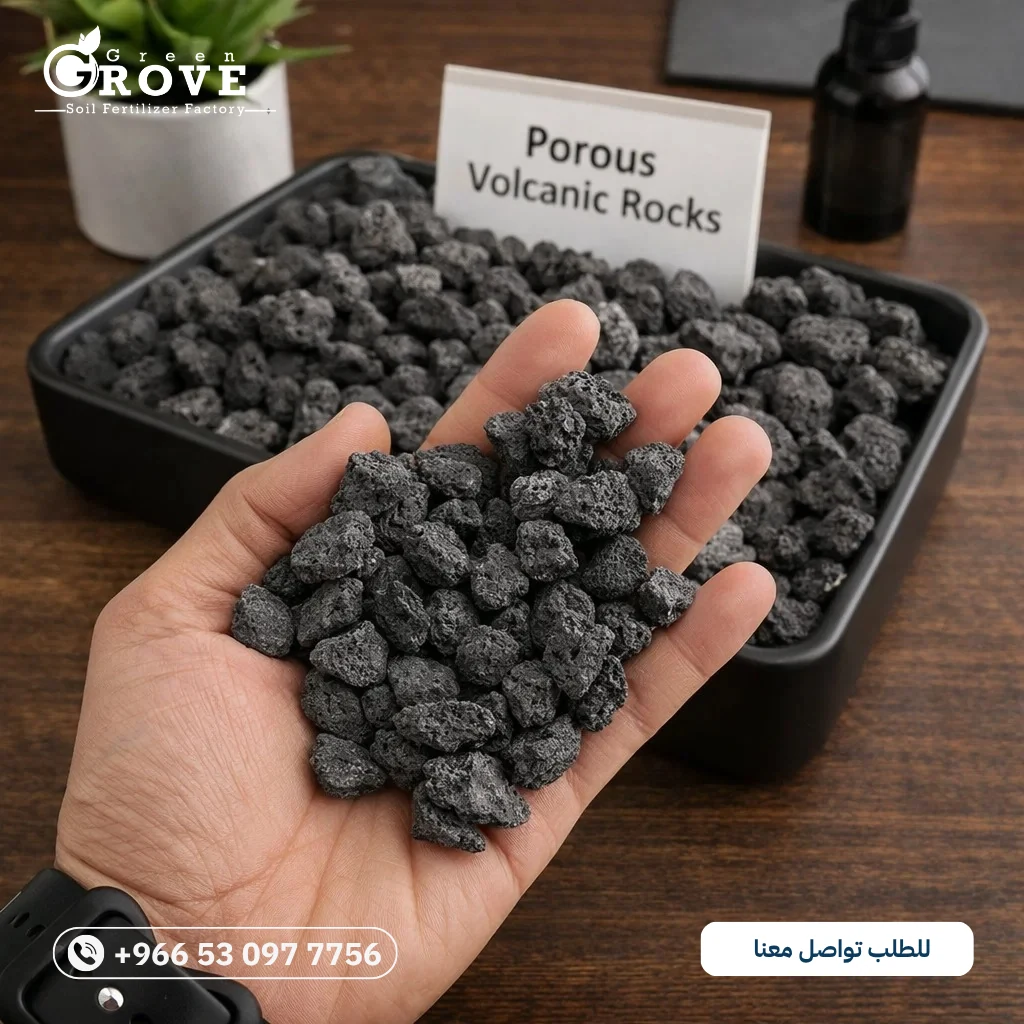
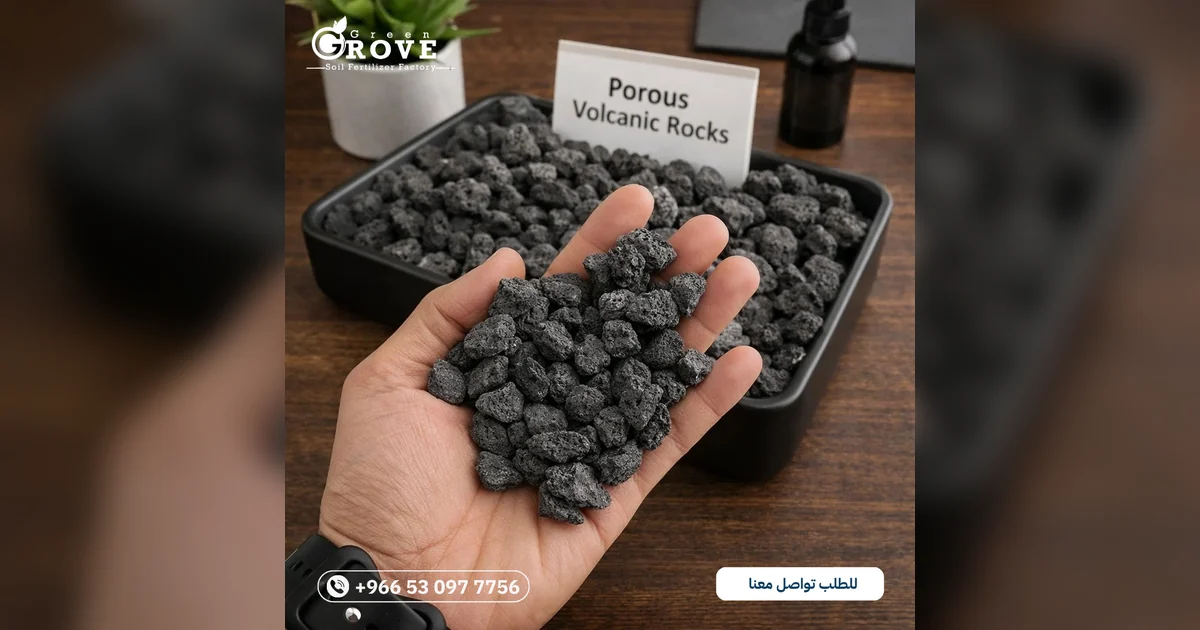
  • Using the coarse 10–25 mm grade for aeration, drainage, coarse layers, or selected granular systems.

Suggested Use Method

Start by defining the objective. Are you improving a soil mix, creating a drainage-oriented layer, working with an indoor pot, or using a granular hydroponic system? Then choose the particle size that fits that objective. The 0–4 mm grade is generally more suitable for blending through growing media, while the 10–25 mm grade is more appropriate for coarse aeration, drainage, top-dressing, and selected granular applications.

ApplicationTypical GradePractical Note
General growing-media blends0–4 mmBlend gradually according to the plant and the other components.
Drainage and aeration10–25 mmSuitable for coarse mixes, beds, and selected granular applications.
Cacti and succulents0–4 mm or a graded mixThese plants often require faster drainage than many foliage plants.

Common Mistakes to Avoid

Using it in rooftop, landscape, and coarse-media applications. Other common errors include adding a large amount without testing, relying on volcanic stone alone for plants that still require organic components and regular nutrition, or ignoring dust control. Washing is recommended for sensitive systems such as hydroponics and whenever fine dust needs to be reduced.
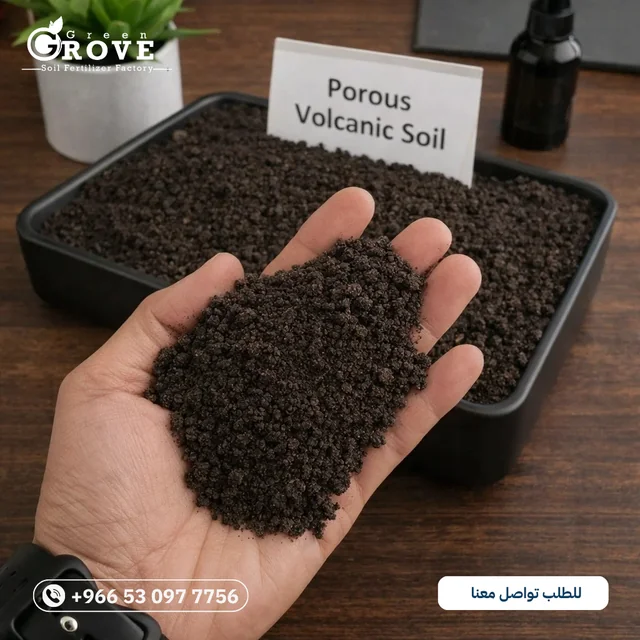
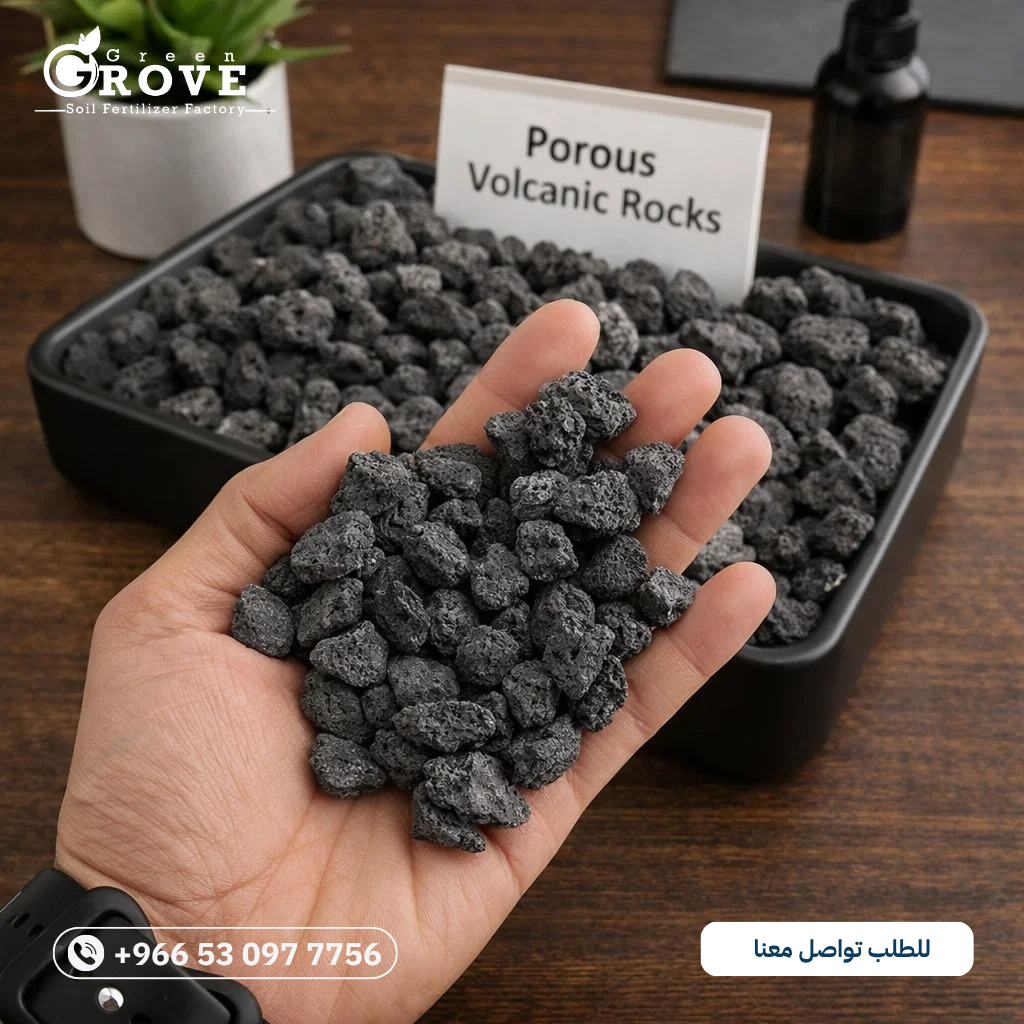
Green Grove Soil volcanic tuff 0–4 mm
Green Grove Soil Product

Natural agricultural volcanic rock for growing mixes and drainage

Choose the grade that fits your application. The delivery minimum is 50 bags, with quote requests available for larger quantities.

View SizesProduct Documents

How Can Green Grove Soil Help?

Green Grove Soil supplies natural volcanic material for agricultural applications in practical particle-size grades, including 0–4 mm for growing-media blends and 10–25 mm for higher-aeration and drainage-focused uses. Selecting the correct grade helps match the material to the application instead of using one particle size for every situation.

Summary

Successful use of 10-25 mm volcanic stone depends on understanding the material’s physical role in the growing medium. Use it to support structure, aeration, and drainage; do not treat it as a substitute for fertilizer, irrigation management, or appropriate crop care. When in doubt, start with a moderate proportion and monitor irrigation and root-zone behavior before increasing the amount.

Need help choosing the right particle size?
Contact Green Grove Soil with your crop or plant, application, and required quantity so the team can help identify the most suitable grade.

Product Data Referenced in This Article

Important: Green Grove Soil volcanic material is presented as a naturally porous mineral component for improving root-zone physical properties. It is not a complete replacement for fertilizer or a crop-nutrition program. Particle size and mixing proportion should be selected according to the plant, irrigation system, and intended use.

  • 0–4 mm grade: suitable as a structural component in soil, peat, coco, and related growing-media blends. The source material cites typical proportions of 25–40% in some potting mixes, 5–15% in propagation mixes, and 5–10% in open-soil root-zone applications, subject to the specific situation.
  • 10–25 mm grade: suitable for coarse mixes, aeration and drainage, granular beds, aquaponics, and selected hydroponic systems after thorough washing to remove fines.
  • Stated technical characteristics: pH around 7.0, gray-to-black color, moisture below 0.6%, and approximately 99.4% dry/inert material. Approximate bulk density is 0.9 g/cm³ for 0–4 mm and 0.7 g/cm³ for 10–25 mm.
  • Handling: avoid generating unnecessary dust. Light moistening or washing may be appropriate depending on grade and application, with suitable personal protection when dust is present.

For this reason, the guidance is written in practical terms: the material can support growing-media structure, but it does not replace sound irrigation, nutrition, or plant-quality management.

Product Documents

Clear technical data before ordering

Download the technical sheet, safety sheet, analysis, and product cards used as references across the content center.

Technical Data Sheet (TDS)Safety Data Sheet (SDS)Product Analysis0–4 mm Product Card10–25 mm Product CardCommercial Registration

Frequently Asked Questions

What is the main agricultural role of 10-25 mm volcanic stone?

Its main role is to improve the physical structure of the root-zone medium by supporting aeration, drainage, and resistance to compaction when it is used appropriately.

Can volcanic stone replace fertilizer?

No. Volcanic stone can improve physical properties of a growing medium, but plants still require an appropriate nutrition program.

Which particle size should I choose?

The 0–4 mm grade is generally used within growing-media blends, while the 10–25 mm grade is better suited to coarse aeration, drainage, and selected granular systems.

Should volcanic stone be washed before use?

Washing is recommended for hydroponic, aquaponic, or other sensitive granular systems and whenever fine dust needs to be reduced before use.

Customer Community

Customer Feedback & Questions

Ask a question, share your experience, or suggest an improvement related to this article.

View Customer Community
Green Grove Soil

Need Help Choosing the Right Grade?

Our team can help you select the appropriate particle size and quantity based on the plant, irrigation method and intended application.

Request a Quote Contact via WhatsApp