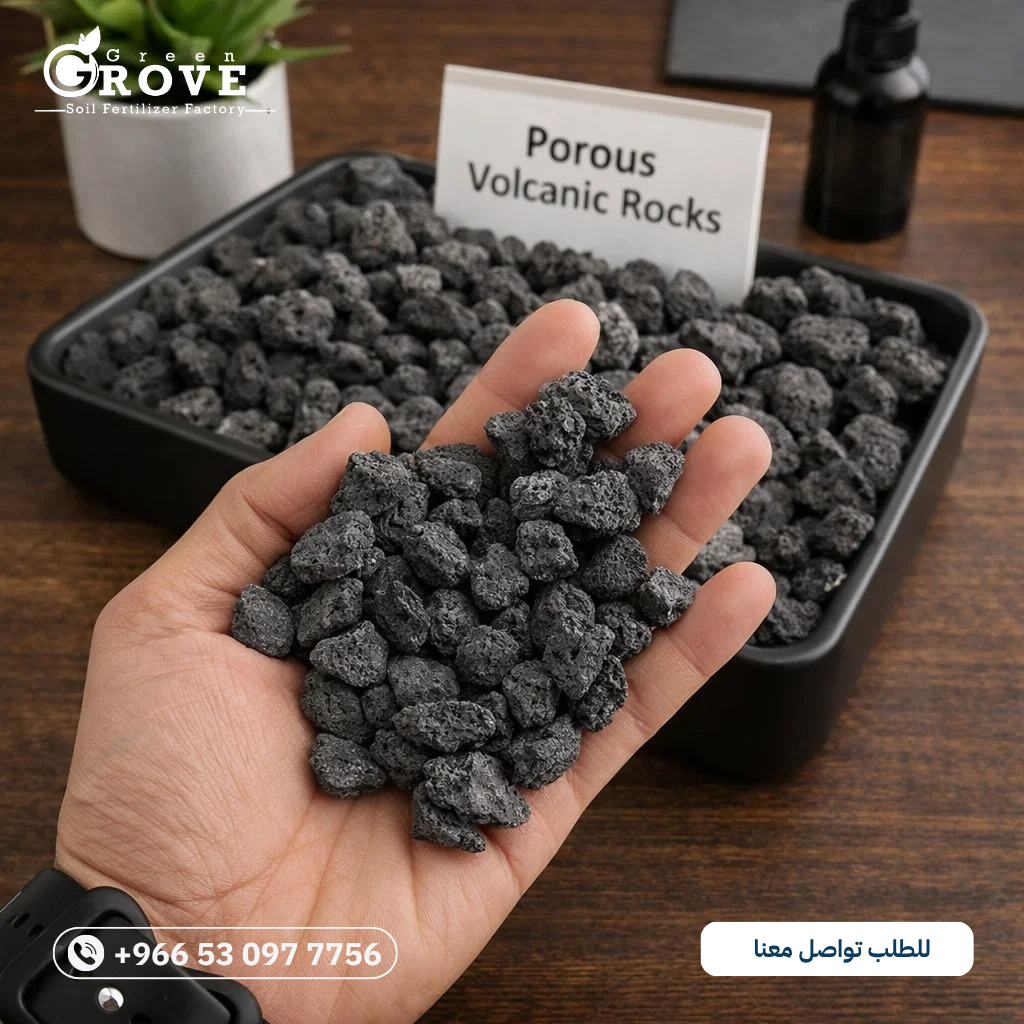
What Is Volcanic Stone?
Volcanic Stone is a broad term for natural rock materials formed through volcanic activity. Depending on how magma or lava cools and the geological conditions in which it forms, volcanic materials can differ significantly in density, porosity, mineral composition, particle size, and agricultural behavior.
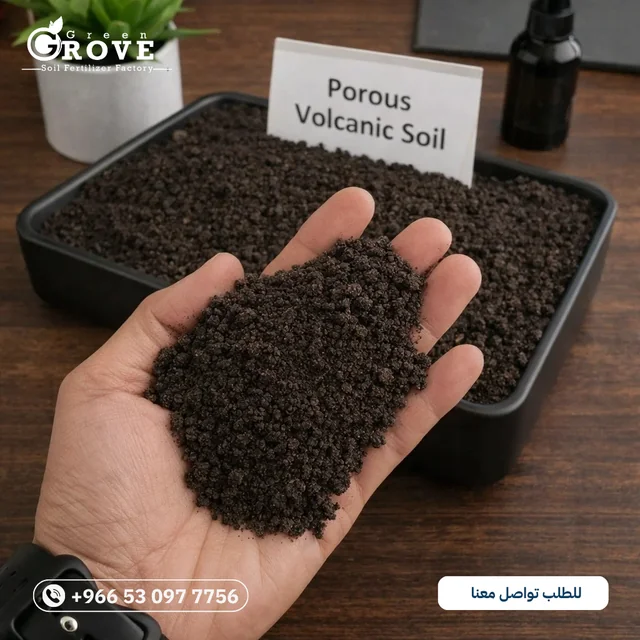
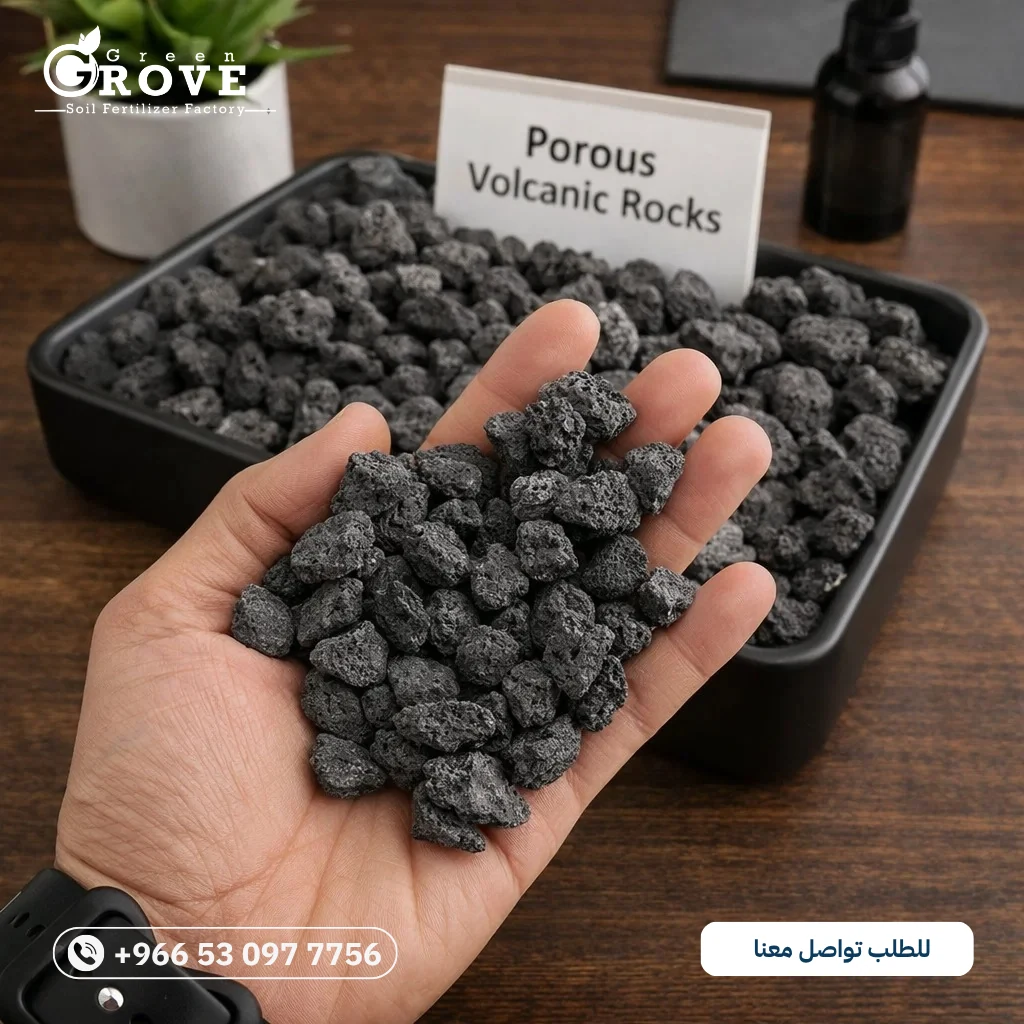
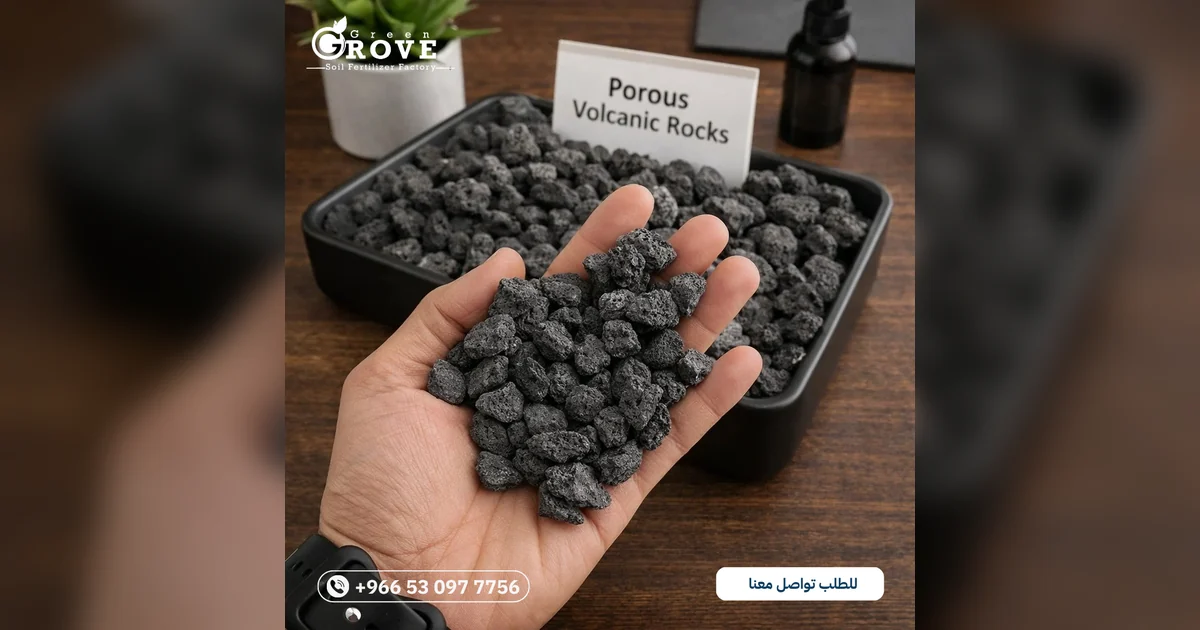
Common volcanic materials include basalt, lava rock, pumice, scoria, volcanic ash, and other volcanic mineral materials. In agriculture, these materials may be used as coarse granules, crushed aggregates, or finely ground rock powders.
Why Is Volcanic Stone Interesting for Farmers?
Farmers continuously manage soil structure, drainage, aeration, nutrient availability, salinity, organic matter, and root-zone conditions. Certain volcanic materials can play a useful role in these systems because they combine physical properties with naturally occurring minerals.
However, not every volcanic stone behaves the same way. A porous pumice particle used in a nursery substrate has a different function from a finely ground basalt powder used as a mineral soil amendment. The correct material should always be selected according to the agricultural objective.
1. Volcanic Stone as a Source of Minerals
Some volcanic rocks, especially basaltic materials, contain silicate minerals and elements such as calcium, magnesium, potassium, iron, silicon, and other naturally occurring mineral components.
As rock particles weather over time, some mineral elements may gradually interact with the soil. This process is generally slower than the nutrient release associated with highly soluble fertilizers, and the rate depends on factors such as mineral composition, particle size, soil pH, moisture, temperature, microbial activity, and climate.
For soil remineralization, finely crushed volcanic rock normally provides more reactive surface area than large stones. Farmers should therefore distinguish between volcanic stone used for physical soil structure and volcanic rock powder used as a mineral amendment.
2. Soil Structure and Root-Zone Management
Some granular volcanic materials are valued for their physical structure. Porous particles can create spaces within a growing medium that influence the balance between air, water, roots, and solid particles.
This can be particularly useful in nurseries, containers, greenhouses, landscaping, and engineered growing media where the physical characteristics of the root zone can be managed precisely.
Particle size is critical. Fine particles and coarse particles of the same volcanic material can produce very different results in terms of air-filled porosity, drainage, and water retention.
3. Volcanic Stone and Drainage
Good drainage helps maintain oxygen around plant roots and reduces the risk of prolonged water saturation. Coarse volcanic particles may be included in certain soil or substrate mixtures to create a more open physical structure.
However, adding stone does not automatically solve every drainage problem. The result depends on the existing soil texture, particle-size distribution, application rate, incorporation depth, irrigation system, and the type of volcanic material used.
A material that works well in a container substrate may behave differently in heavy field soil. Farmers should evaluate the entire soil or growing-media system rather than relying on a single component.
4. Water Management
Porous volcanic materials can interact with water differently from dense aggregates. Materials such as pumice contain internal pore spaces that can influence water storage and release.
The amount of water held depends strongly on particle size and pore structure. This means there is no single ideal Volcanic Stone size for every agricultural application.
A greenhouse grower, nursery operator, hydroponic producer, landscape contractor, and open-field farmer may each require a different particle-size specification.
5. Volcanic Stone and Soil pH
Certain volcanic rock powders can influence soil chemistry as they weather. Some basaltic materials may contribute to changes in soil acidity under suitable conditions.
Nevertheless, Volcanic Stone should not automatically be treated as agricultural lime. Its effect on pH depends on its mineralogical and chemical composition and may be considerably slower than conventional liming materials.
Before applying volcanic material specifically for pH correction, farmers should test the soil and obtain a chemical analysis of the material.
6. Volcanic Stone in Growing Media
Volcanic materials can be useful components in engineered growing media. Depending on the material and particle size, they may be incorporated into substrates used for nurseries, greenhouses, container production, ornamental plants, landscaping, and certain soilless growing systems.
The objective is usually to achieve a suitable balance of drainage, water retention, aeration, stability, and root support.
The correct formulation should always be matched to the crop. Seedlings with delicate roots may require a different substrate structure from mature landscape plants or long-term container crops.
Volcanic Stone vs. Pumice
These terms should not be used as if they mean exactly the same thing.
Volcanic Stone is a broad description covering many materials formed through volcanic processes. Pumice is one specific volcanic material known for its highly porous structure.
Basalt is another volcanic rock, but its density, mineral composition, and agricultural applications can differ substantially from pumice.
When buying volcanic material for agriculture, farmers should ask the supplier:
- What type of volcanic rock is it?
- What is the particle-size range?
- What is its chemical composition?
- Has it been tested for agricultural use?
- Is it intended for soil amendment or growing-media use?
- What application rate or mixing ratio is recommended?