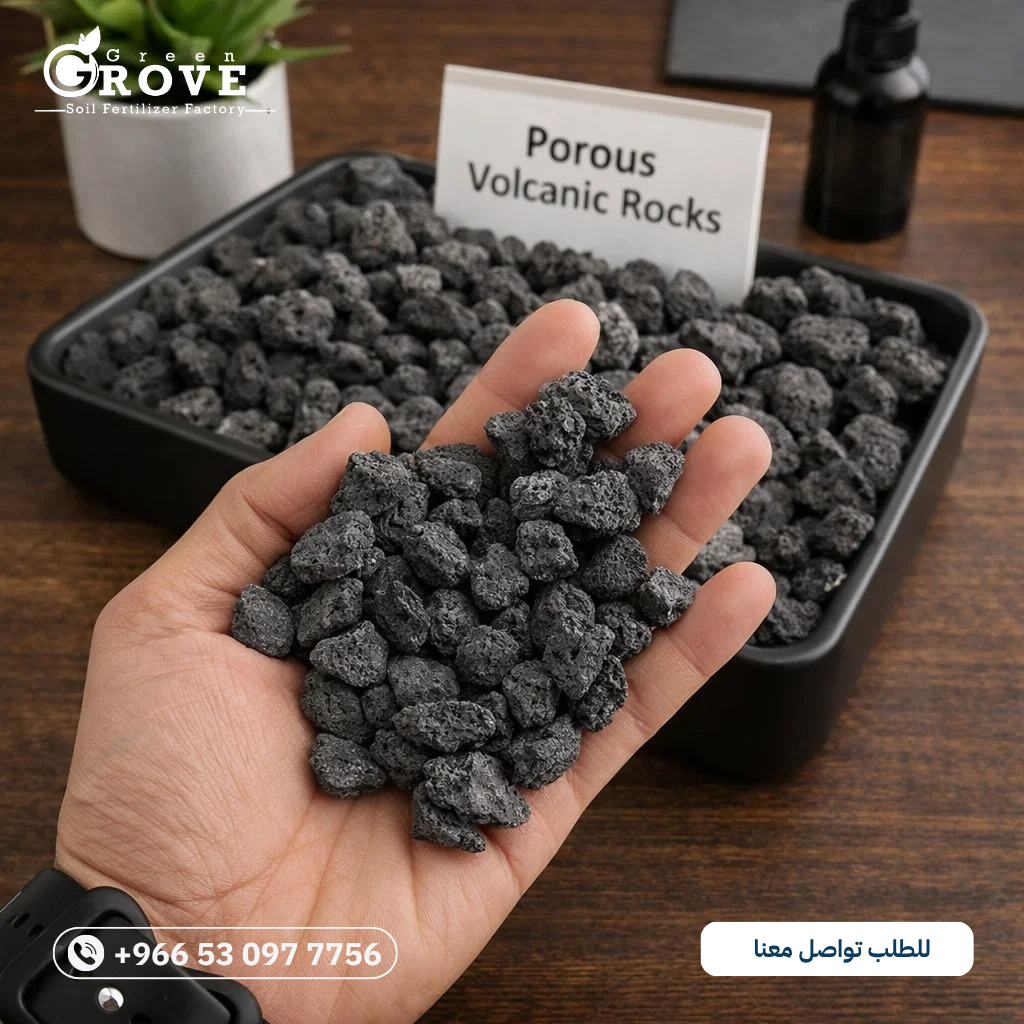
Volcanic stone is a naturally porous mineral material that can be used to improve the physical structure of growing media. In horticulture, its main value is not as a fertilizer, but as a structural component that can support better aeration, drainage, and root-zone stability when it is used correctly.
Because volcanic stone is available in different particle sizes, the right choice depends on how you plan to use it. Fine grades can be blended into potting media, while coarser grades can be useful in granular growing systems, drainage-focused applications, and some hydroponic or aquaponic setups after proper washing.
What Is Volcanic Stone?
Volcanic stone is formed from volcanic material that cools and develops a naturally porous structure. In agricultural applications, this porosity is useful because it creates physical spaces within the growing medium. Those spaces can help reduce compaction and improve the movement of air and excess water around plant roots.
The term may be used alongside expressions such as volcanic rock or volcanic tuff. Product characteristics vary by source and processing, so growers should always evaluate the actual particle size and technical data of the material they intend to use.
Benefits of Volcanic Stone for Plants
The most important benefits of volcanic stone are related to the structure of the root zone. It is best viewed as one component of a complete growing system that also includes appropriate irrigation, nutrition, organic matter, and plant-specific management.
- Improved aeration: the particles create pore spaces that can help oxygen move through the root zone.
- Better drainage: volcanic stone can help excess irrigation water move through a mix instead of remaining trapped around the roots.
- Reduced compaction: adding a mineral structural component can help peat-, compost-, or coco-based mixes maintain a more open texture over time.
- Physical stability: volcanic stone does not break down like many organic components, so it can help maintain structure in long-term growing media.
- Flexible use: different grades can be used in potting mixes, nurseries, landscape containers, succulents, hydroponic media, or drainage-oriented applications.
Choosing the Right Particle Size
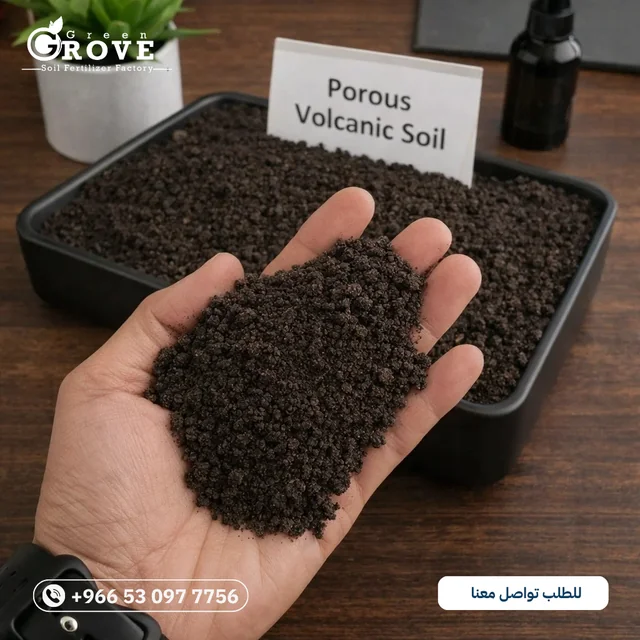
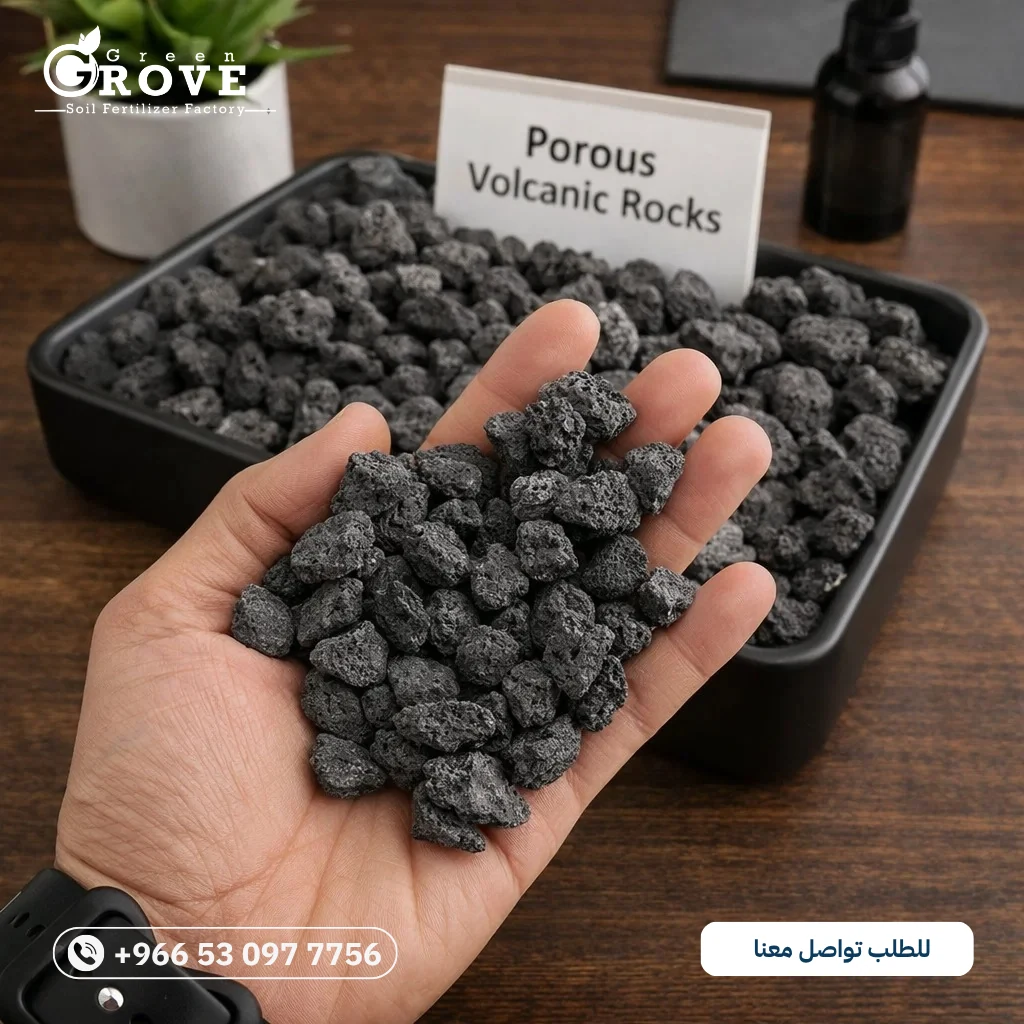
Particle size affects how volcanic stone behaves in a growing medium. Green Grove Soil provides two practical grades for different applications: 0–4 mm and 10–25 mm.
| Particle size | Typical use | Practical note |
|---|---|---|
| 0–4 mm | Potting mixes, peat or coco blends, propagation mixes, root-zone soil improvement | Best when the goal is to distribute mineral particles throughout the growing medium. |
| 10–25 mm | Coarse media, drainage and aeration layers, granular systems, selected hydroponic or aquaponic applications | Wash before use in sensitive systems to reduce fine dust. |
For many container mixes, a fine volcanic-stone grade can be blended gradually rather than replacing the entire growing medium. The ideal percentage depends on plant species, irrigation frequency, container depth, climate, and the water-holding capacity of the other ingredients.
How to Use Volcanic Stone in Potting Soil
Start by identifying the problem you are trying to solve. If a potting mix remains wet for too long or becomes compacted after repeated irrigation, a mineral component may help create a more open structure. If the mix already drains very quickly, adding too much coarse material could make water management more difficult.
- Choose the correct grade. For blending into potting media, the 0–4 mm grade is usually the more practical starting point.
- Test a moderate ratio first. Do not assume that more volcanic stone is always better. Adjust the mix according to the crop and irrigation program.
- Mix evenly. Distribute the material throughout peat, coco, compost, or soil so that the root zone has a consistent structure.
- Observe irrigation behavior. After repotting, monitor how quickly water drains and how long the medium remains moist.
- Continue normal fertilization. Volcanic stone is a structural growing-media component, not a complete plant nutrition program.
Common Agricultural Applications
Nurseries and Container Production
Nurseries can use volcanic stone as part of engineered growing mixes when they need to improve air-filled porosity and drainage. Consistency matters: growers should keep the particle-size distribution and mixing ratio stable between batches so irrigation remains predictable.
Succulents and Cacti
Succulents and cacti generally benefit from well-drained media. Volcanic stone can be combined with other suitable ingredients to create a more mineral, open mix. However, the correct recipe still depends on container size, climate, and watering habits.
Hydroponics and Aquaponics
Coarse volcanic stone can be suitable for some systems that use a granular inert medium. Before use, the material should be washed thoroughly to remove fine particles. System design, water chemistry, filtration, and crop requirements must still be considered separately.
Landscape Containers and Raised Beds
In larger containers or raised-bed mixes, volcanic stone can be used where long-term structural stability and drainage are priorities. It should be incorporated according to the existing soil texture rather than used as a universal fixed percentage.