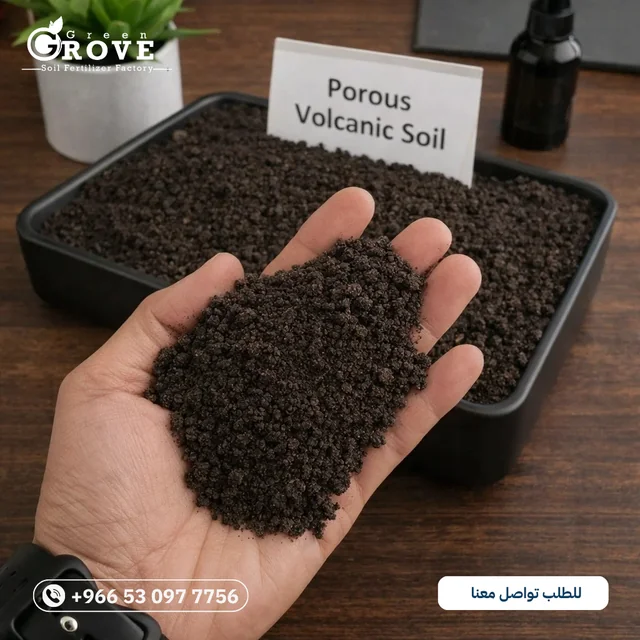
Customers searching for volcanic stone for nurseries are usually trying to select an agricultural material that can improve aeration, drainage, and mix stability around roots. This article explains nursery and garden applications while keeping the limitations clear: volcanic stone is not a complete substitute for fertilizer or irrigation management.
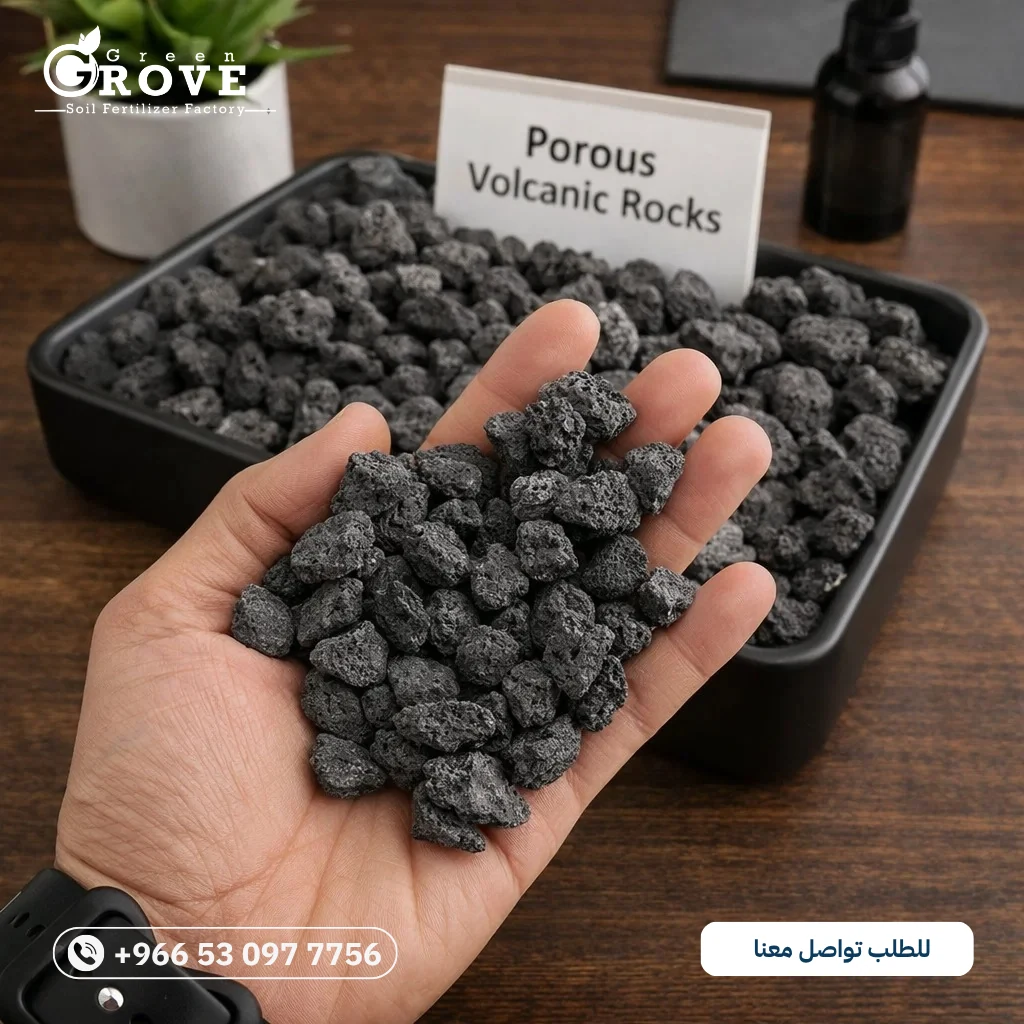
Green Grove Soil volcanic stone is a naturally porous mineral material used to improve the physical properties of growing media and the root zone. Its main functions are to support aeration, improve excess-water drainage, and reduce compaction in agricultural mixes.
What Do Nurseries and Gardens Need From Volcanic Stone?
Nurseries need a stable growing medium that supports seedlings without compacting rapidly or remaining excessively wet. Gardens need materials that can improve soil structure and drainage while fitting the planting design.
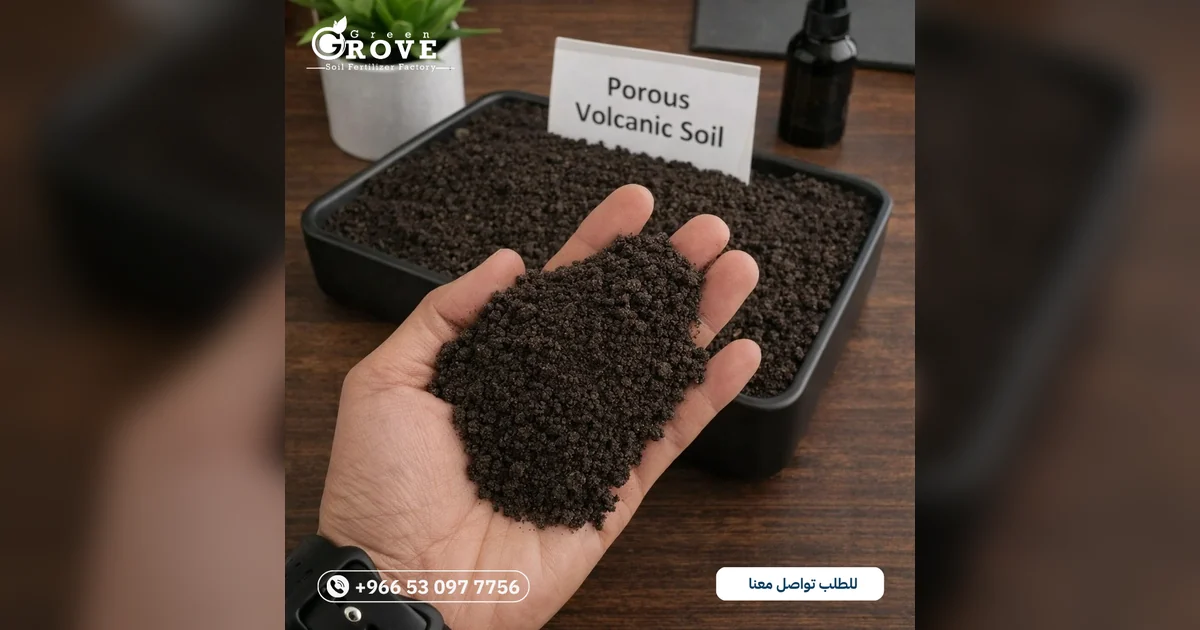
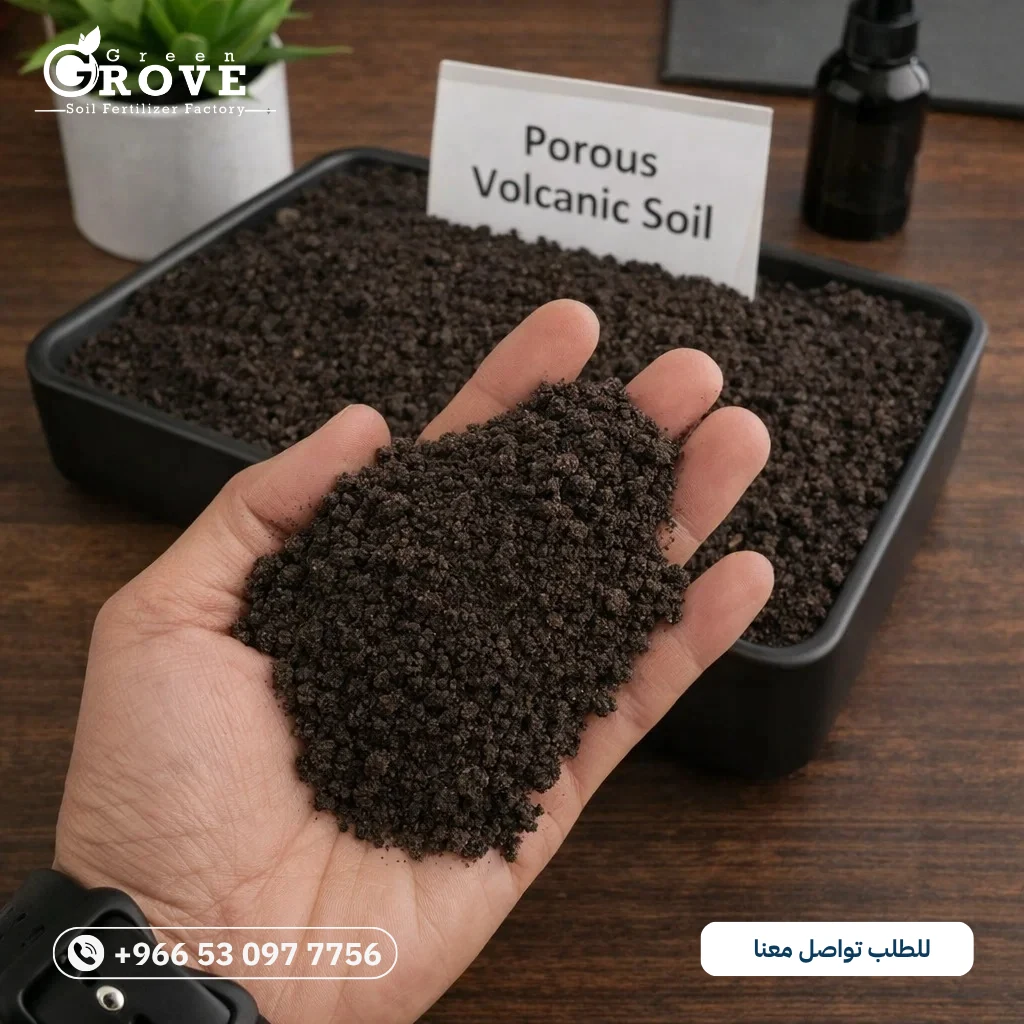
- Nurseries: the source generally points to 0–4 mm within growing-media blends.
- Gardens and planters: 10–25 mm may be used for coarse aeration or surface applications where appropriate.
- Large projects: a commercial quotation is more appropriate than a simple retail order.
Which Grade Fits Nursery Production?
For nursery and general growing-media blends, 0–4 mm is the closer fit because it integrates more readily with peat, coco, compost, and other fine components. It can support structure, aeration, and drainage when used at a proportion appropriate for the crop.
A coarse grade should not automatically replace a fine propagation mix for small seedlings, although it can be useful in specialized coarse blends that require larger air spaces.