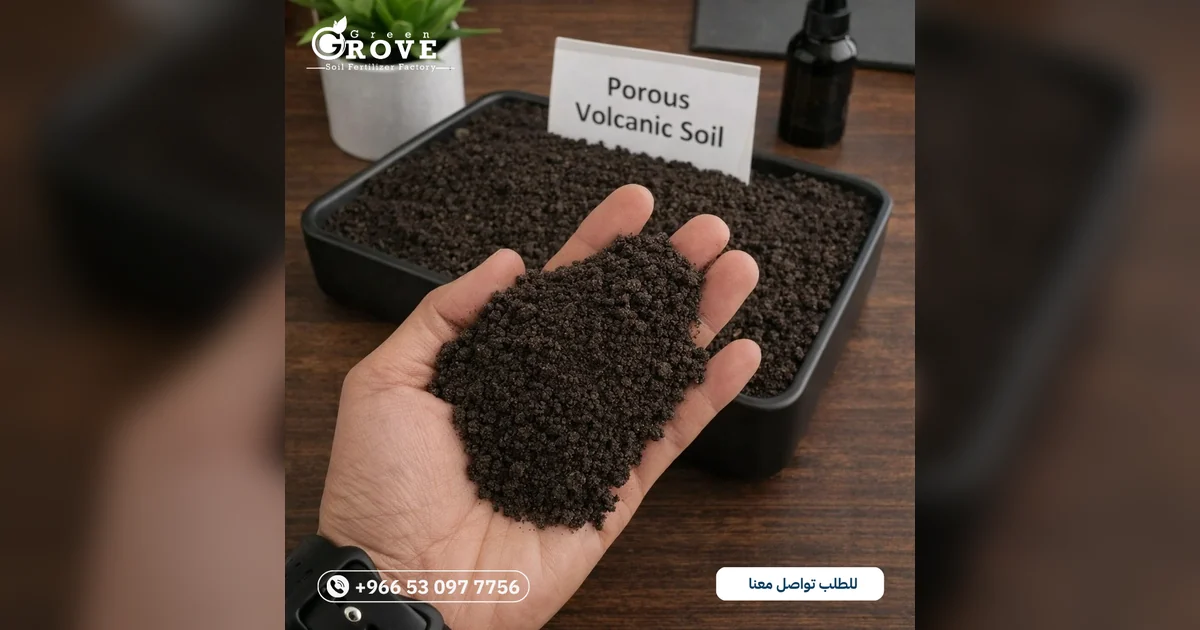
Buying agricultural volcanic stone in Saudi Arabia starts with defining the intended use before asking for a price. Particle size, quantity, packaging, and delivery requirements change depending on whether the material will be used in a potting mix, nursery, landscape project, drainage application, or granular growing system. This guide focuses on the purchasing decision itself rather than covering every agricultural benefit of volcanic stone.
If you are still comparing general applications and particle sizes, start with the broader agricultural volcanic stone guide. Once the intended application is clear, use the steps below to prepare a more accurate enquiry and reduce the risk of ordering a grade or quantity that does not suit the project.
1. Define the Application Before Choosing the Grade
One of the biggest purchasing mistakes is asking for “agricultural volcanic stone” without describing what the material needs to do. Fine and coarse grades perform different physical roles. State the requirement clearly: soil blending, pots, nursery production, root-zone improvement, drainage, granular media, or surface dressing.
2. Select Particle Size According to Function
| Grade | Closest Typical Use | Before Ordering |
|---|---|---|
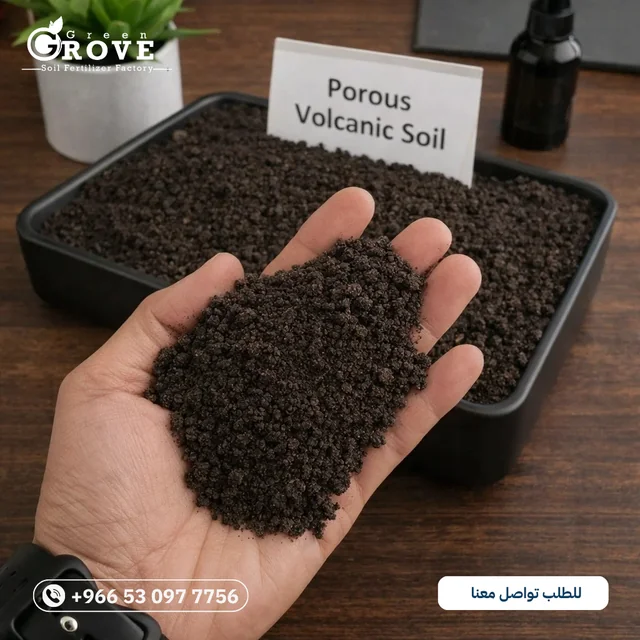
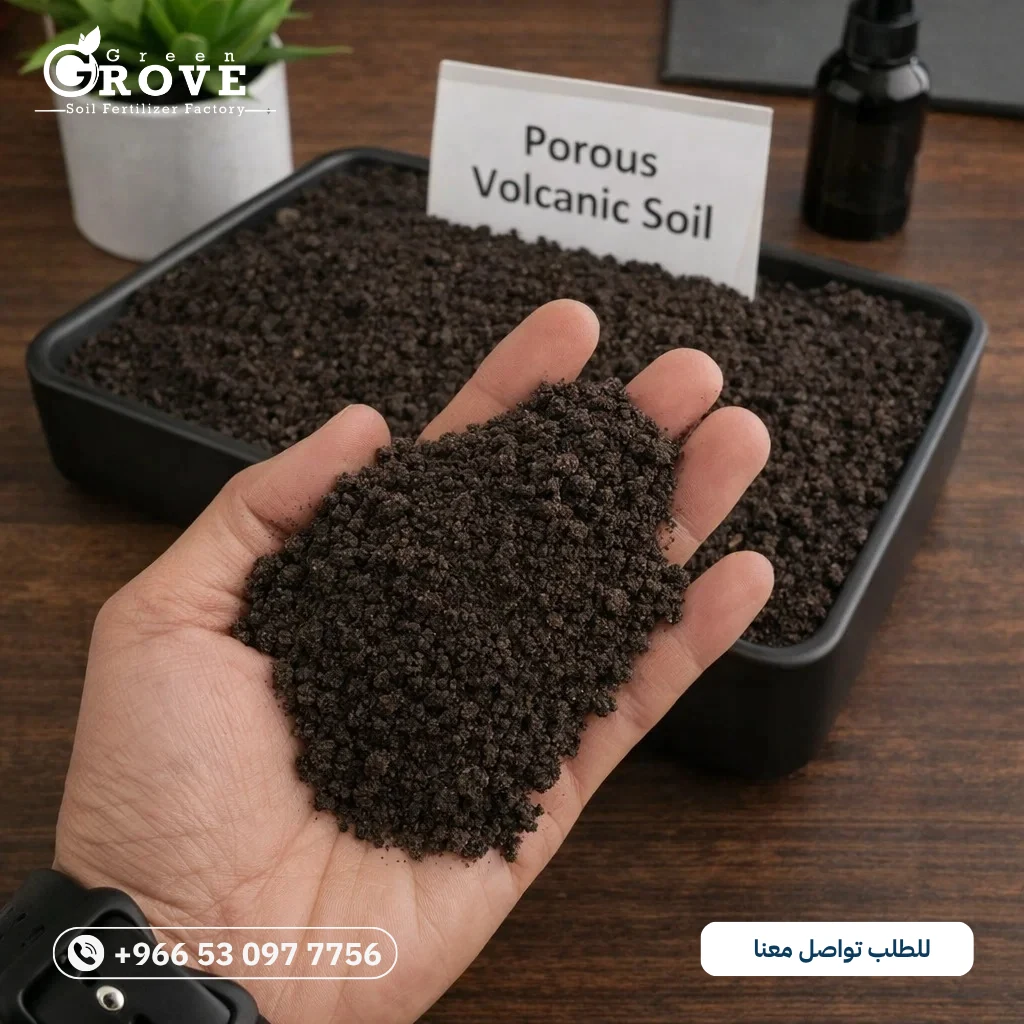
| 0–4 mm | Soil, peat, and coco blends; root-zone improvement | Define the mixing ratio and final blend volume. |
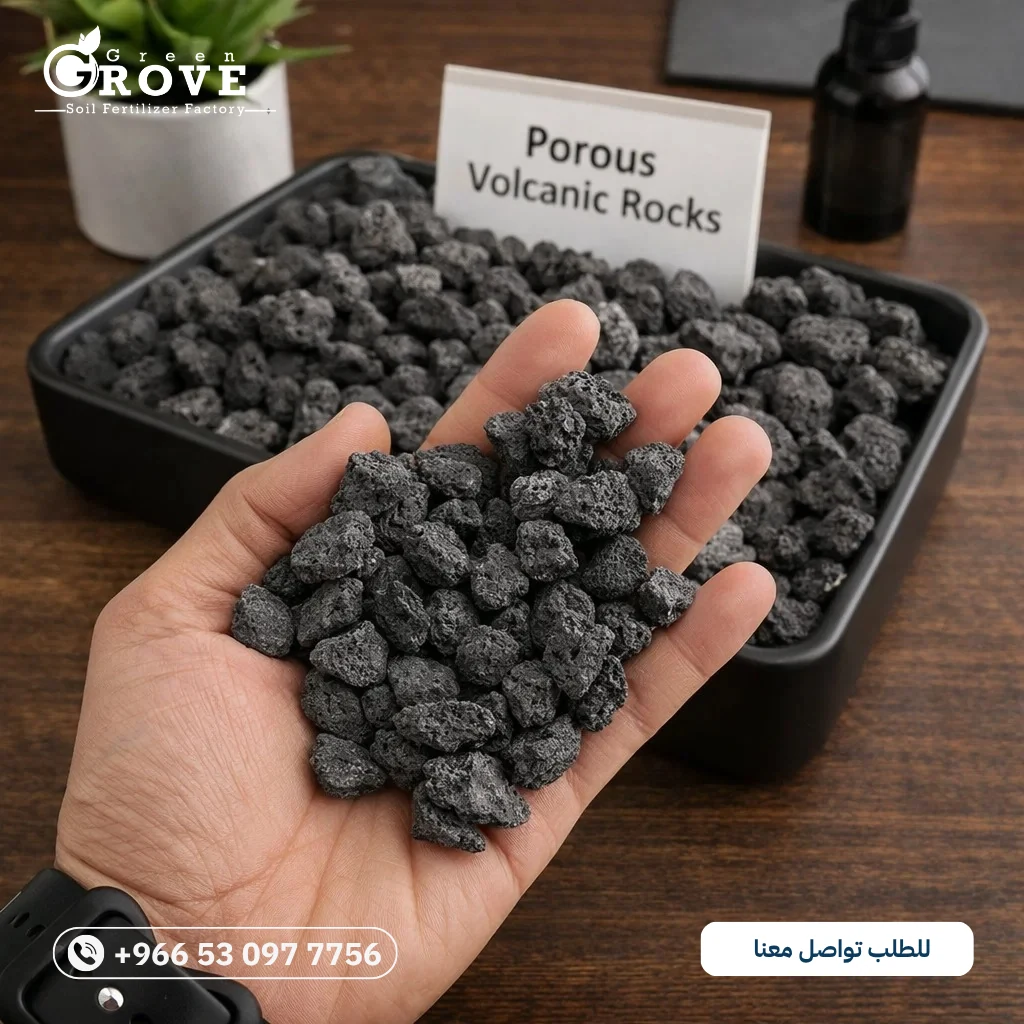
| 10–25 mm | Aeration, drainage, coarse mixes, and selected granular media | Define layer depth or bed volume and whether washing is required. |
3. Calculate Quantity From the Project, Not by Guesswork
Before requesting a quotation, prepare the number of pots, root-zone area, growing-media volume, or number and size of beds. For commercial projects, tying the quantity to a specific implementation stage can be more practical than storing a large volume for extended use.
4. Ask About Packaging, Handling, and Transport
Material price is only one part of the purchasing decision. Packaging type, unit weight, handling method, delivery location, and transport responsibility can affect the real project cost. The appropriate packaging for a nursery or distributor may differ from the needs of a landscape project or agricultural contractor.
5. Review Technical Documents Before Approving the Quantity
Green Grove Soil product documentation includes technical references such as TDS, SDS, available analysis reports, and grade-specific product cards. For professional procurement, review the documents required by the technical consultant or project team before issuing a purchase order, especially when a specific specification or analysis is required.