Green Grove Soil Factory logo
Green Grove Soil Factory
"Together, let’s make it greener"
AR

Volcanic Stone for Better Soil Drainage and Root-Zone Aeration

How agricultural volcanic stone can support soil drainage and root-zone aeration, including particle-size selection, diagnosis, and cases where another solution comes first.

Volcanic Stone for Better Soil Drainage and Root-Zone Aeration
Table of Contents

If soil holds water for too long, agricultural volcanic stone may help improve drainage when the underlying problem is poor structure and too little air-filled pore space. Its role is physical: stable porous particles can create better pathways for water and air around roots. It cannot, however, fix a blocked drainage hole, excessive irrigation, an unsuitable ground slope, or an engineering drainage problem by itself.

How Can Volcanic Stone Improve Soil Drainage?

Very fine mixes, or mixes that compact over time, lose some of the larger pores responsible for moving excess water out and allowing air back in. Incorporating appropriately sized mineral particles into the root zone can improve the granular structure of the medium and reduce the tendency of an organic mix to collapse into a dense mass.

  • More inter-particle spaces: helps excess water move away instead of remaining around roots.
  • Better aeration: helps maintain pathways for air after irrigation.
  • Greater physical stability: a mineral component does not decompose as rapidly as many organic ingredients.
  • More predictable irrigation management: root-zone moisture is easier to evaluate when the mix is not severely compacted.

Which Particle Size Supports Drainage?

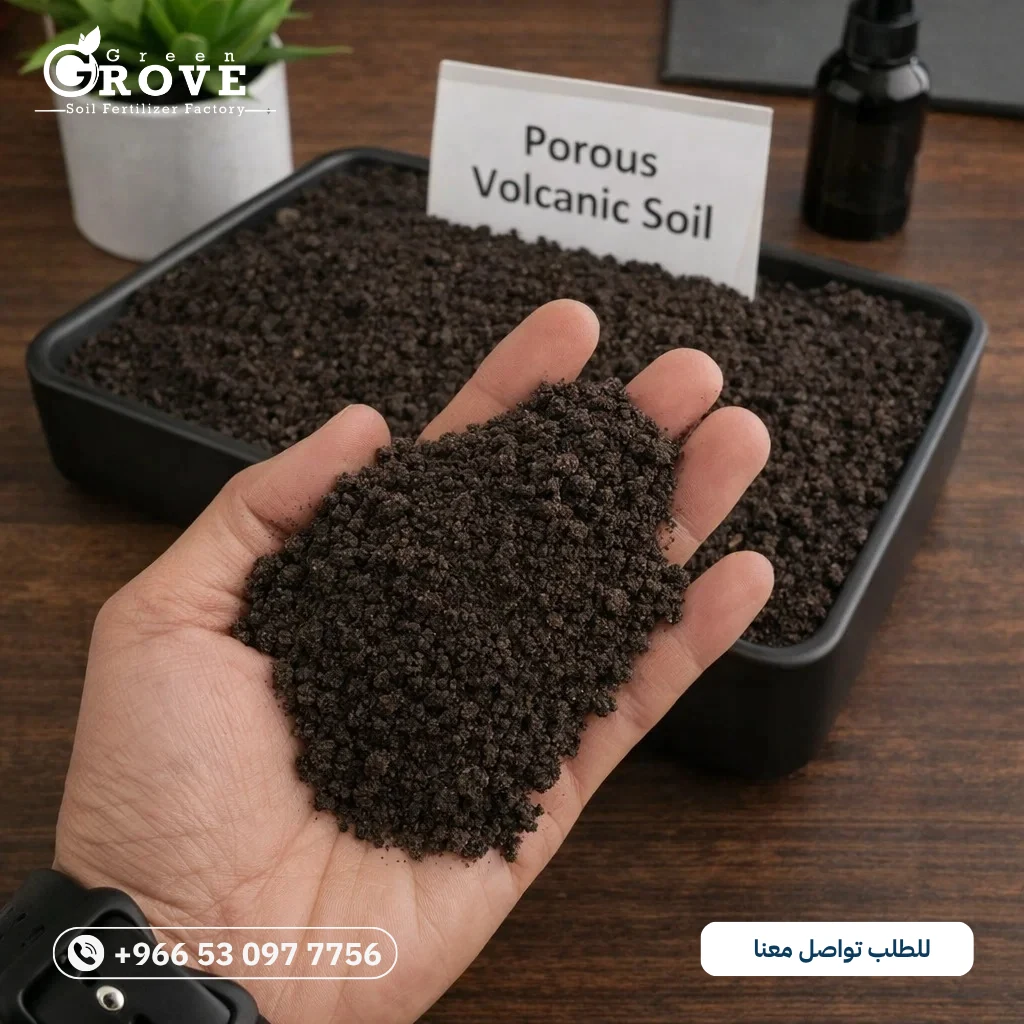
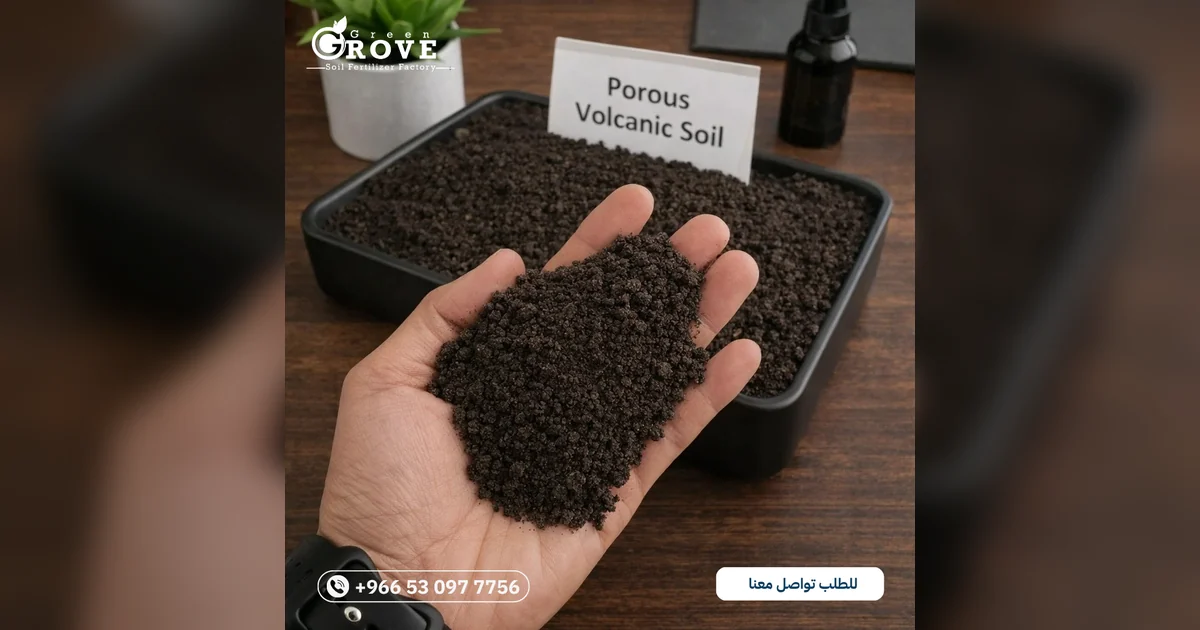
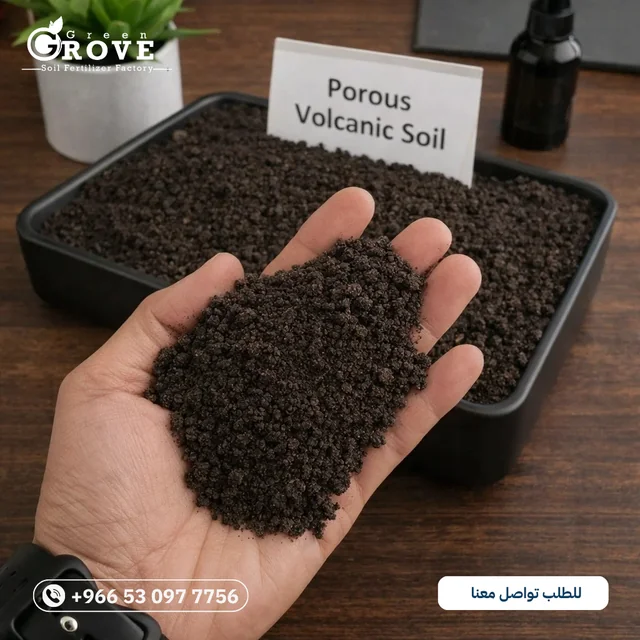
0–4 mm Within Growing-Media Blends

This grade is generally suited to blending with peat, coco, or agricultural soil when the objective is to improve the structure of the mix itself. The appropriate proportion depends on the crop, container size, and physical behavior of the other ingredients.

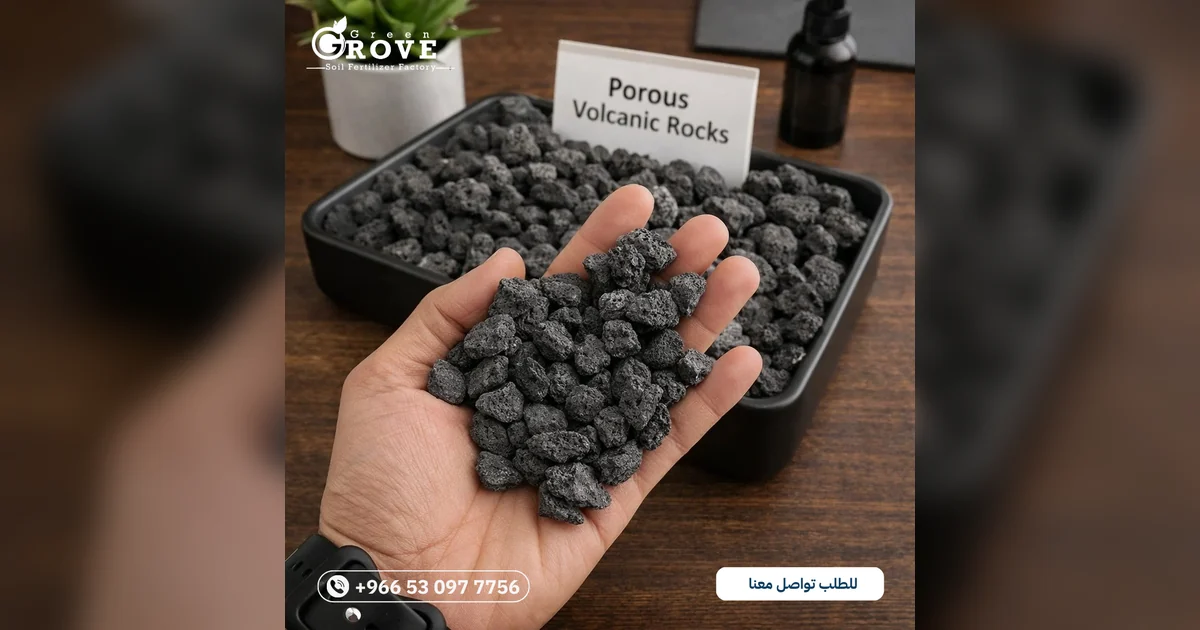
10–25 mm for Coarser Applications

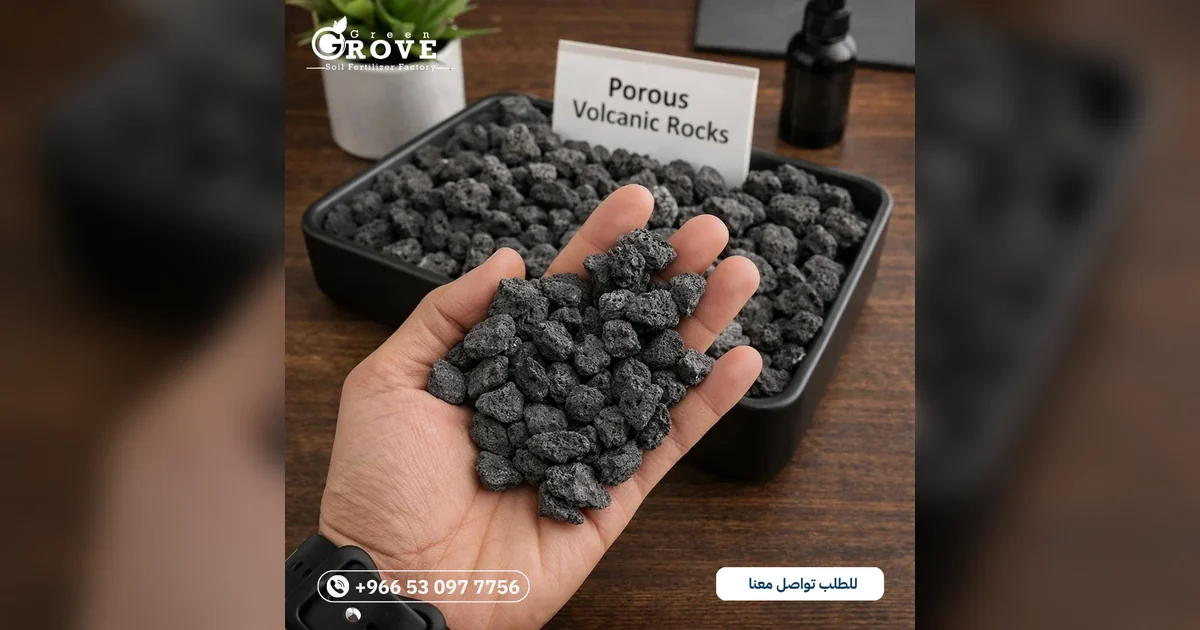
Coarse particles suit applications that require larger structural spaces, including certain beds, coarse growing mixes, and granular media. For hydroponic or aquaponic systems that use granular media, wash the material thoroughly and remove fines before use.

A Practical Drainage-Improvement Process

  1. Identify the cause first: inspect pot drainage holes, watering pattern, mix compaction, and the location where water accumulates.
  2. Evaluate the current medium: if water remains on the surface or the container stays saturated for an unusually long time, structure or drainage may be involved.
  3. Select the grade for the application: do not automatically use a coarse grade in every pot or a fine grade as a stand-alone drainage layer without a clear reason.
  4. Incorporate the material in the root zone when the goal is to change the mix: blending is generally more relevant than applying a decorative surface layer.
  5. Adjust irrigation after changing the medium: a structural change also changes drying behavior, so do not continue the old schedule automatically.
Green Grove Soil volcanic tuff 0–4 mm
Green Grove Soil Product

Natural agricultural volcanic rock for growing mixes and drainage

Choose the grade that fits your application. The delivery minimum is 50 bags, with quote requests available for larger quantities.

View SizesProduct Documents

When Is Volcanic Stone Not the Main Solution?

If water accumulates because drainage openings are blocked, a bed sits lower than its surroundings, or an impermeable layer is preventing water movement below the root zone, correct the engineering or drainage cause first. Improving the mix also cannot compensate for watering again before the plant actually requires water.

ProblemFirst ActionRole of Volcanic Stone
Compacted potting mixRebuild the root-zone mixUseful as a structural component
Blocked drainage holesRestore a clear exit for waterNot the first solution
Heavy field soilAssess depth, slope, and drainageMay support the root zone depending on the case
Over-frequent irrigationCorrect irrigation timing and volumeSupportive, not a substitute for irrigation management

Technical Data Relevant to Grade Selection

The product information referenced by the source article describes Green Grove Soil volcanic material as a natural porous mineral material with pH close to 7.0. Approximate bulk density is stated as about 0.9 g/cm³ for 0–4 mm and about 0.7 g/cm³ for 10–25 mm. These figures help describe the material, but they do not establish one universal mixing rate for every crop or soil.

Summary

Volcanic stone is a tool for improving soil physical structure, drainage, and aeration when the problem is linked to compaction or insufficient pore space. Diagnose the cause first, choose the grade that matches the application, and then adjust irrigation after modifying the mix. If the problem is engineering-related or caused mainly by overwatering, correct that cause first.

Product Documents

Clear technical data before ordering

Download the technical sheet, safety sheet, analysis, and product cards used as references across the content center.

Frequently Asked Questions

Can volcanic stone fix every drainage problem?

No. It can support physical structure when compaction or low porosity is part of the problem, but blocked outlets, overwatering, slope, or subsurface drainage problems must be corrected separately.

Which grade is used inside growing-media blends?

The 0–4 mm grade is generally the closer fit for blending throughout peat, coco, or soil-based media when the goal is structural improvement.

When is 10–25 mm more appropriate?

The coarse 10–25 mm grade fits coarser beds, drainage-oriented applications, and selected granular systems where larger structural particles are required.

Should irrigation change after improving the mix?

Yes. Changing root-zone structure changes water movement and drying behavior, so irrigation should be reassessed rather than copied from the old medium.

Green Grove Soil

Need Help Choosing the Right Grade?

Our team can help you select the appropriate particle size and quantity based on the plant, irrigation method and intended application.