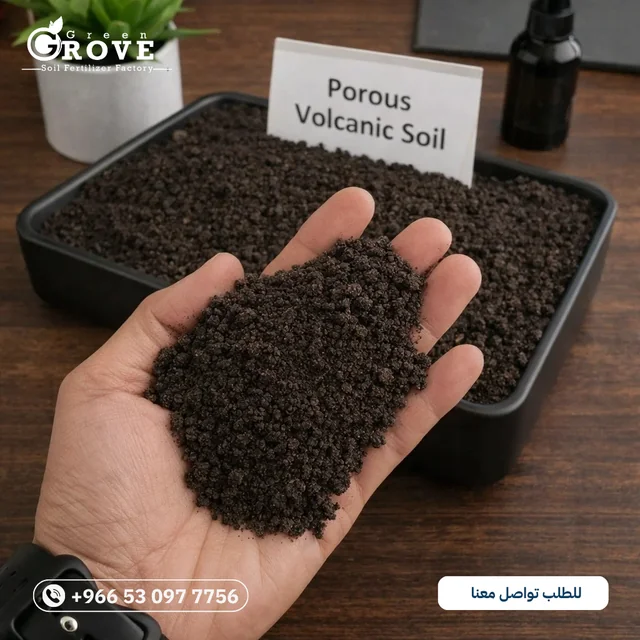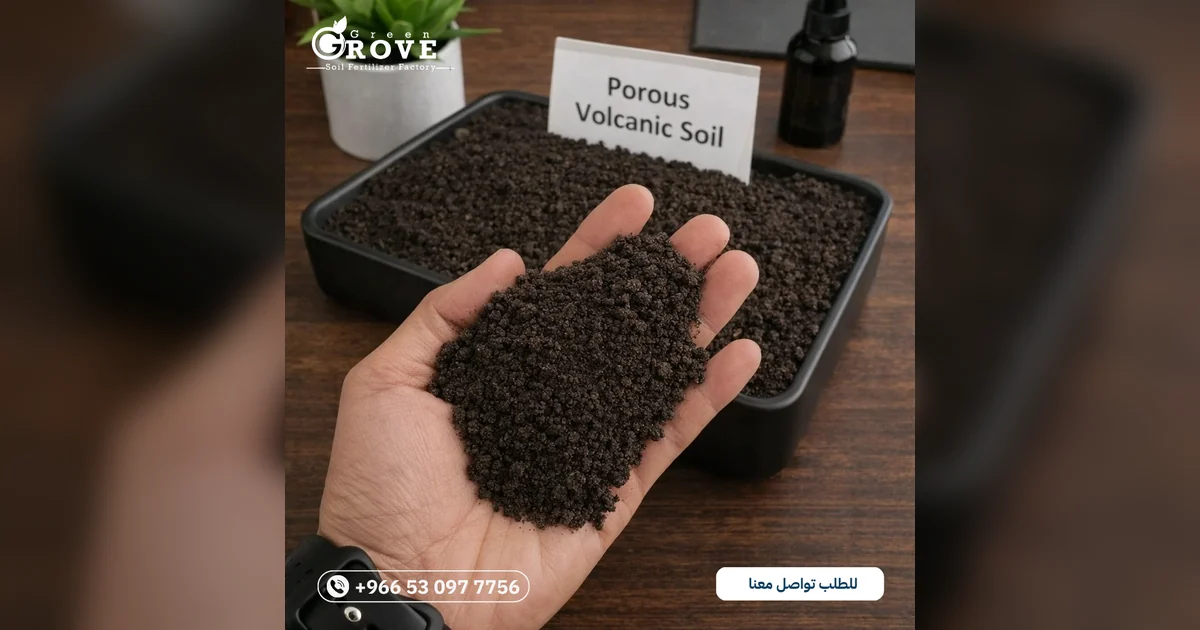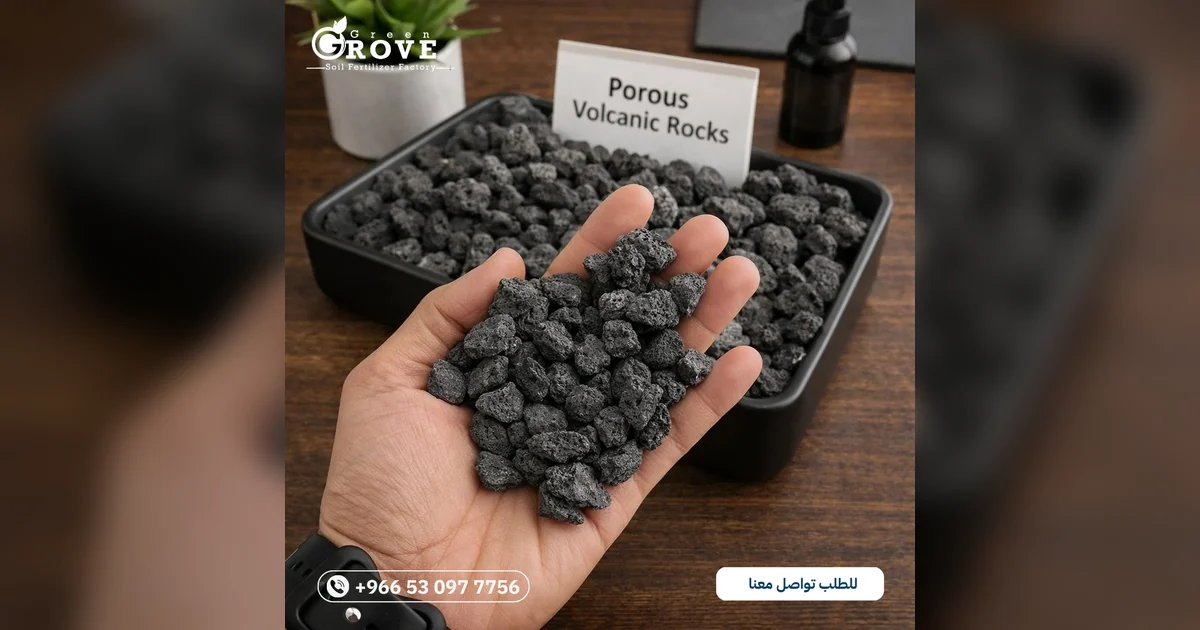
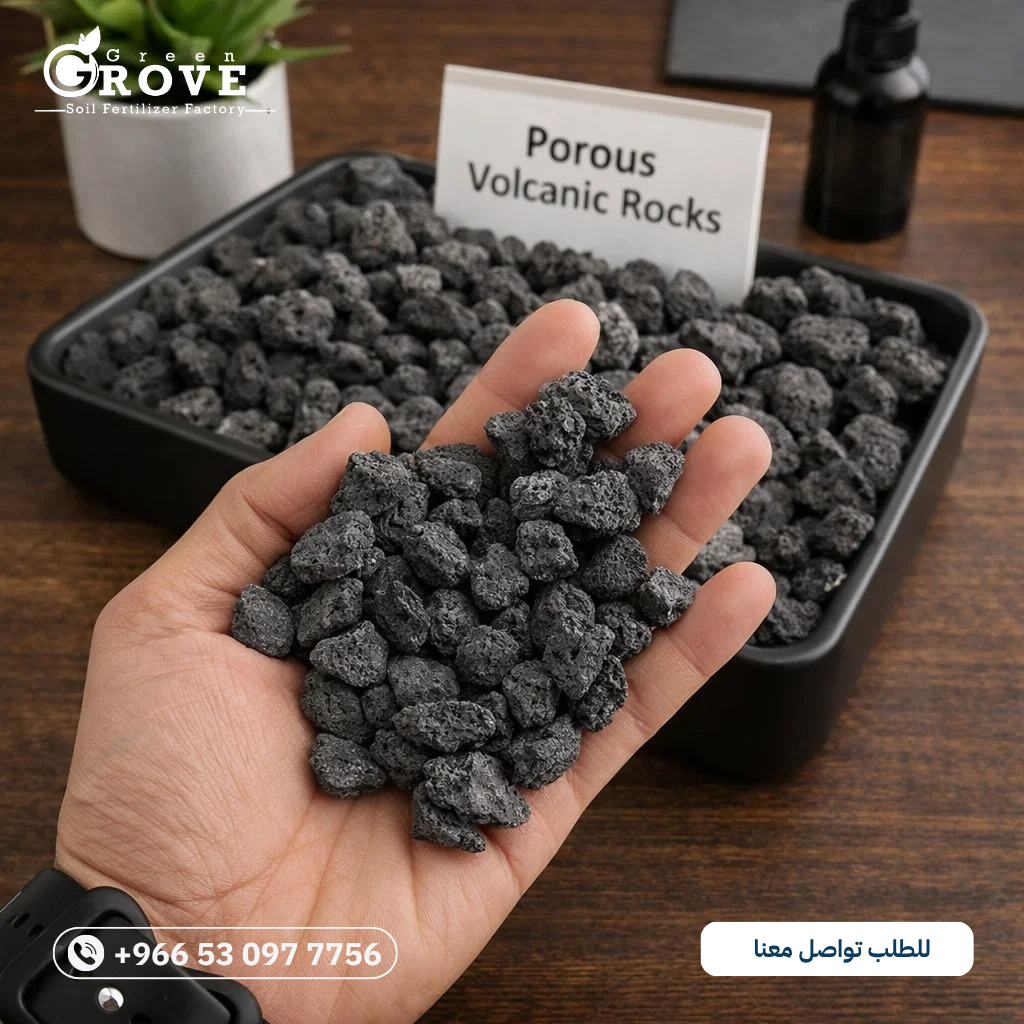
Volcanic soil in an agricultural context does not mean a ready-made fertilizer, and it does not mean that volcanic stone alone is a complete soil. In this guide, the term refers to a growing medium or soil blend that includes a porous volcanic mineral component to improve root-zone physical properties such as aeration, drainage, and resistance to compaction.
This distinction matters because someone searching for volcanic soil often wants to understand the properties of the medium and how a volcanic component can be integrated into a blend, while a broader search for agricultural volcanic stone may cover products, particle sizes, and several different applications. This article focuses specifically on soil and growing-media mixtures.
What Does “Volcanic Soil” Mean in Growing-Media Blends?
The term is sometimes used commercially for mixes or substrates containing a porous volcanic component. The volcanic material itself is mineral matter and can be blended with organic materials or other growing-media components according to the needs of the plant. The objective is not simply to add more gravel, but to build a root-zone medium with a better balance between water and air.
Main Benefits Within Soil and Growing Media
- Improved aeration: granular particles help maintain pore spaces instead of allowing fine components to compact completely.
- Supported drainage: a more open structure can help excess water move through the medium when the other components and irrigation system are appropriate.
- Reduced compaction: a stable mineral component does not break down as quickly as many organic ingredients and can help maintain structure.
- Improved root-zone conditions: the goal is a medium that gives roots access to both moisture and oxygen without remaining continuously saturated.
0–4 mm vs. 10–25 mm in Soil and Growing Mixes
The 0–4 mm grade is generally the closer fit for potting mixes, peat and coco blends, and root-zone soil improvement. The 10–25 mm grade is coarser and is used when larger air spaces, faster drainage, or a less integrated granular application is required.
| Objective | Typical Grade | Practical Note |
|---|---|---|
| Potting or nursery mix | 0–4 mm | Blend gradually with the other growing-media components. |
| Improving a heavy root-zone soil | Usually 0–4 mm | Incorporation through the root zone is more important than placing material only on the surface. |
| Coarse drainage or larger structural pores | 10–25 mm | Select according to the design of the bed or growing medium. |
How Is a Volcanic Component Used in Pots?
Start with the problem in the existing mix. If it is too dense or remains wet longer than the plant requires, a porous mineral component can be introduced into the growing medium. There is no single percentage that works for every plant; species, pot size, organic components, climate, and irrigation practice all affect the appropriate proportion.
How Is It Used in Heavy Soil?
If the objective is to improve the root environment, the volcanic component needs to reach the zone in which roots are growing. A surface layer may change appearance without correcting deeper compaction. Any physical soil amendment should also be combined with appropriate irrigation management; better structure does not compensate for excessive watering.