شعار مصنع قرين قروف سويل للأسمدة
مصنع قرين قروف سويل
"معاً، لنجعلها خضراء"
EN

Soil Salinity and High EC: Diagnosis, Management and the Role of Growing Media

A realistic guide to diagnosing high EC and managing salinity through water quality, fertilization, drainage and medium structure.

Soil Salinity and High EC: Diagnosis, Management and the Role of Growing Media
محتويات المقال
Short answer: Root-zone salinity management begins with EC measurement and representative water and soil or media analysis. The next steps are effective drainage, controlled fertilizer inputs and calculated leaching that moves salts beyond the active root zone. Volcanic tuff may improve medium structure and water movement, but it does not desalinate irrigation water.

Saline soil versus sodic soil

Saline soil contains enough soluble salts to restrict plant water uptake. Sodic soil is affected by excessive exchangeable sodium, which can disperse aggregates, reduce permeability and increase crusting. The conditions can occur together, but they are not diagnosed or corrected in the same way. EC is central to salinity assessment, while SAR or ESP, pH and ion chemistry are important when sodicity is suspected.

USDA Natural Resources Conservation Service guidance treats management as a site-specific combination of root-zone mapping, water-quality testing, drainage, leaching and, where justified by SAR or ESP, calcium amendments. This is why a single additive cannot be presented as a universal salinity treatment.

What EC measures

Electrical conductivity is an indicator of dissolved ionic concentration. It does not identify every salt or determine specific toxicity by itself. Results depend on method: irrigation-water EC, a 1:5 extract and saturated-paste extract are not directly interchangeable. Always record method, units and sampling depth, and compare trends produced by the same procedure.

MeasurementWhat it indicatesPractical use
Irrigation-water ECSalt load entering at every irrigationWater suitability and irrigation/fertigation design
Leachate ECSalts leaving the root zoneTrend monitoring with irrigation context
Media-extract ECSalt status under a defined laboratory methodComparison with crop- and method-specific guidance
SAR or ESPSodium-related riskSodicity diagnosis and amendment decisions

Why salts accumulate

  • Saline irrigation water or elevated sodium and bicarbonates.
  • Fertilizer supply exceeding crop uptake and leaching capacity.
  • Poor permeability or no effective drainage outlet.
  • High evaporation leaving dissolved salts behind.
  • Nonuniform emitters and irrigation distribution.
  • Recirculation without adequate ion and water monitoring.

An eight-step diagnostic workflow

  1. Map symptoms and determine whether they follow low areas or irrigation zones.
  2. Verify emitter flow and uniformity.
  3. Analyze source water for EC, pH, bicarbonates and relevant ions.
  4. Sample the active root depth, not only the surface crust.
  5. Require the laboratory to report the EC method.
  6. Review SAR or ESP when sodium damage is suspected.
  7. Audit fertilizer concentration, irrigation volume and leachate fraction.
  8. Repeat comparable measurements to establish a trend.

How leaching works

Leaching applies suitable water to dissolve and transport salts below the active root zone. It cannot succeed without permeability and an outlet for drainage. USDA NRCS guidance bases leaching volume on measured salinity, application method and the targeted salt reduction, followed by monitoring. Excess water applied without drainage may relocate the problem or create root oxygen stress.

When sodicity requires a different response

Where sodium has damaged permeability, a specialist may recommend a calcium source such as gypsum based on SAR or ESP, amendment purity and water chemistry. Gypsum should not be applied automatically to every high-EC site. After sodium displacement, suitable water and drainage are still required to move it beyond the root zone.
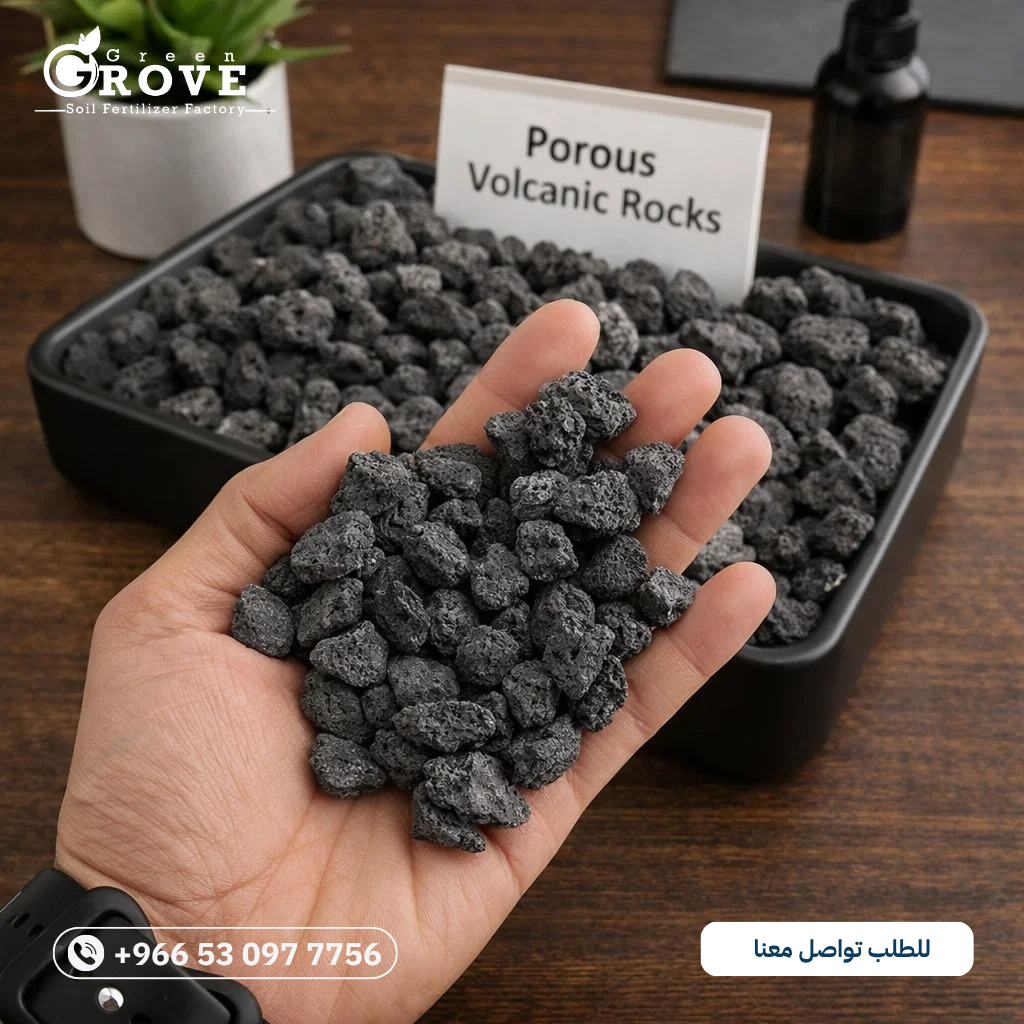
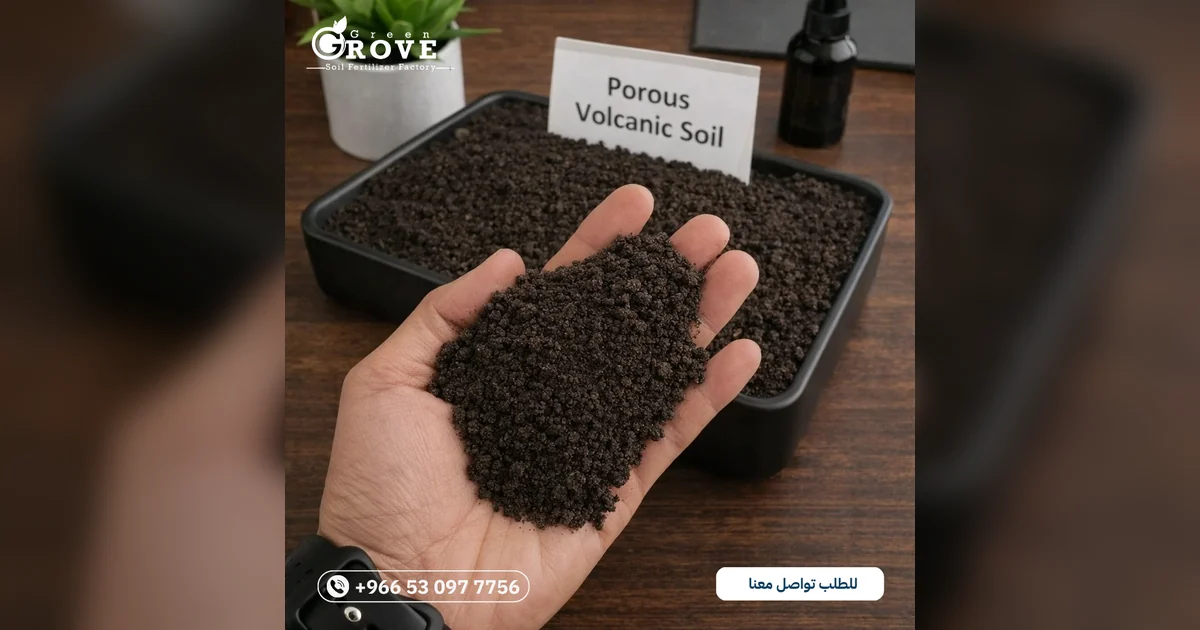
قرين قروف سويل 0–4 مم
منتج قرين قروف سويل

حجر بركاني زراعي طبيعي للخلطات والتصريف

اختر المقاس المناسب، أقل كمية للتوصيل 50 كيس، ويمكنك طلب المنتج أو طلب عرض سعر للكميات الكبيرة مباشرة.

عرض المقاساتتحميل ملفات المنتج

The realistic role of volcanic tuff

Volcanic tuff can improve physical pore distribution and water movement when the correct grade and ratio are used. That may support more uniform drainage and leaching. It does not lower source-water salinity, absorb every ion or remove the need for EC monitoring. Severe sodicity may remain a chemical and structural problem requiring a dedicated treatment plan.

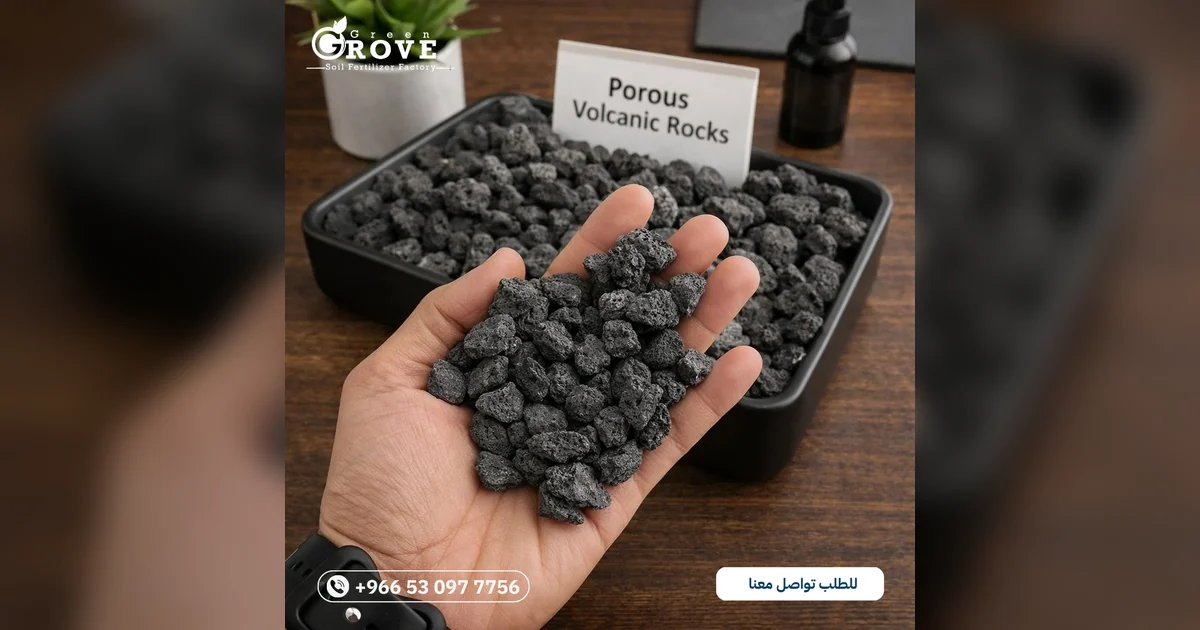
In container blends, 0–4 mm can support medium building and stability, 4–8 mm can balance aeration and drainage, and 10–25 mm can serve high-drainage granular applications. Selection should follow a controlled test using irrigation and leachate data.

Common mistakes

  • Diagnosing salinity from a white crust alone.
  • Flushing a profile that has no functioning drainage.
  • Applying gypsum without SAR or ESP evidence.
  • Comparing EC values generated by different methods.
  • Maintaining excessive fertilizer concentration during remediation.
  • Ignoring safe disposal of saline drainage water.

Frequently asked questions

Can symptoms alone confirm salinity?

No. Leaf burn, wilting and slow growth also occur with irrigation, root and nutritional disorders. Water, medium and leachate testing is required.

Does high EC always mean excessive fertilizer?

No. Irrigation water, native salts, poor drainage and fertilizer can all contribute.

Does volcanic tuff absorb salt?

It should not be described as a universal salt-removal material. Its defensible role is physical medium improvement.

Is a single flush enough?

That depends on severity, water, crop and drainage. Sustainable control usually requires ongoing monitoring and irrigation management.

Decision summary

Test the water first, characterize the active root zone and distinguish salinity from sodicity. Correct drainage, control fertilizer inputs and design leaching from measured data. Green Grove Soil volcanic tuff can support physical structure as one component of this integrated plan.

Technical references

ملفات المنتج

بيانات فنية واضحة قبل الطلب

يمكن للعميل تحميل البطاقة الفنية ونشرة السلامة والتحليل وبطاقات المقاسات، حتى تكون المقالات والطلب مبنيين على بيانات المنتج الفعلية.

قرين قروف سويل

هل تحتاج مساعدة في اختيار المقاس المناسب؟

يمكن لفريق قرين قروف سويل مساعدتك في اختيار المقاس والكمية المناسبة حسب نوع النبات وطريقة الري والاستخدام.