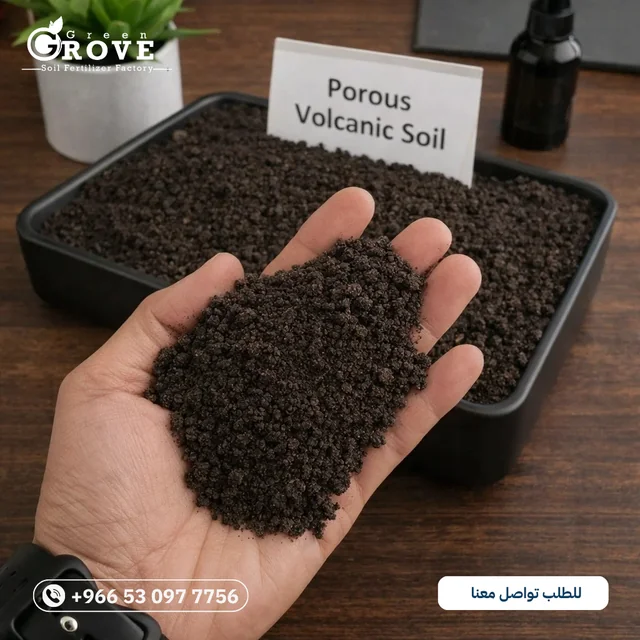
Many growers, nursery operators, and plant enthusiasts look for information about volcanic stone for cacti and succulents because the quality of the root-zone medium is just as important as the quality of the plant itself. A good growing medium should not only hold water; it should also allow air to move through the root zone, drain excess irrigation, and maintain a workable balance around the roots.
Agricultural volcanic stone, sometimes described as volcanic tuff, is a naturally porous mineral material used to improve the physical properties of soil and growing media. Its main role is to support the structure of a soil or substrate, not to replace fertilizer or a crop-nutrition program. It should therefore be treated as one component of a complete system that includes irrigation, nutrition, plant requirements, and particle-size selection.
Why Does This Matter?
Providing faster drainage for moisture-sensitive roots. Many plant problems begin in the root zone, where low aeration, standing water, or compaction after repeated irrigation can limit root performance. When the growing medium has a more balanced structure, roots can function in a more favorable physical environment.
Reducing water accumulation. Volcanic stone should not be used in exactly the same way in every situation. Small pots require different particle sizes and proportions from large beds, while hydroponic systems have different requirements from peat-, coco-, or compost-based growing-media blends.
Main Practical Uses
- Improving aeration around the root zone.
- Supporting the drainage of excess water and reducing the risk of prolonged saturation.
- Reducing compaction in organic mixes such as peat- and compost-based substrates.
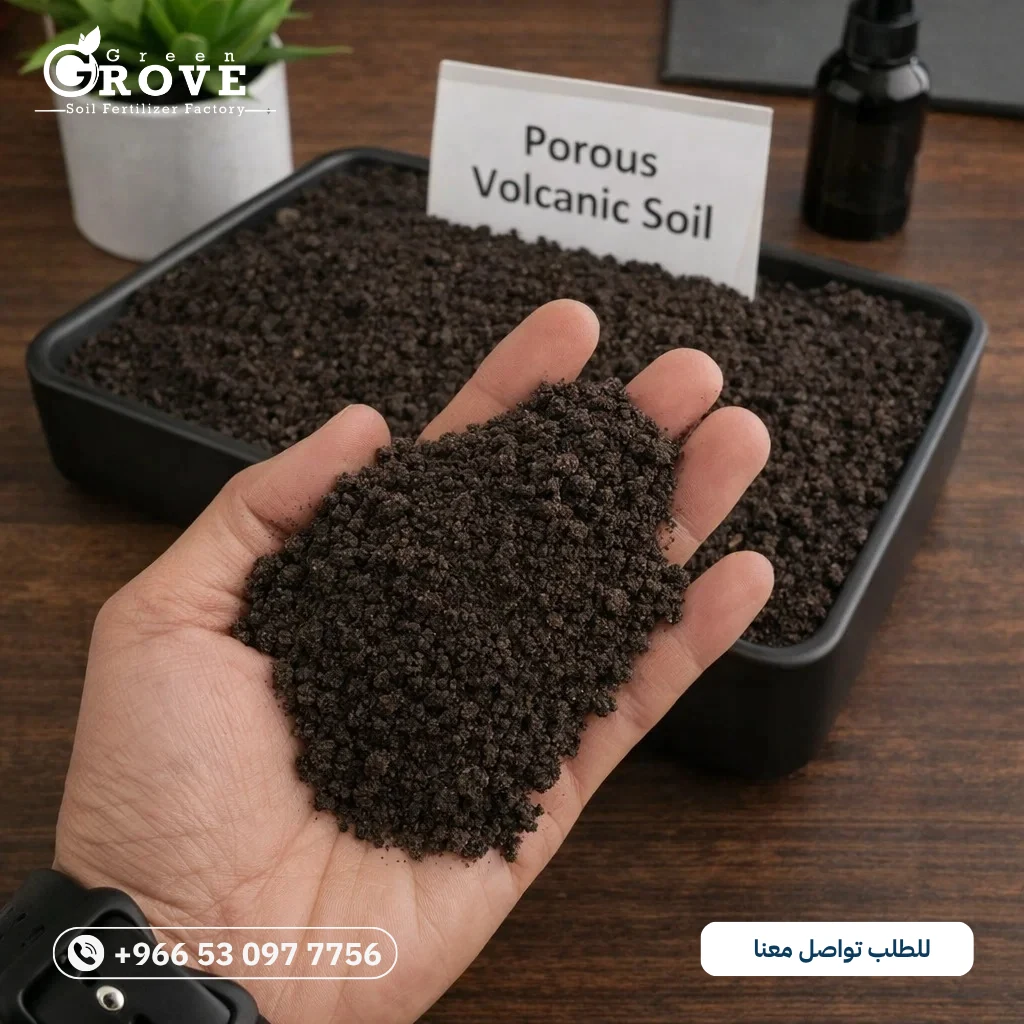
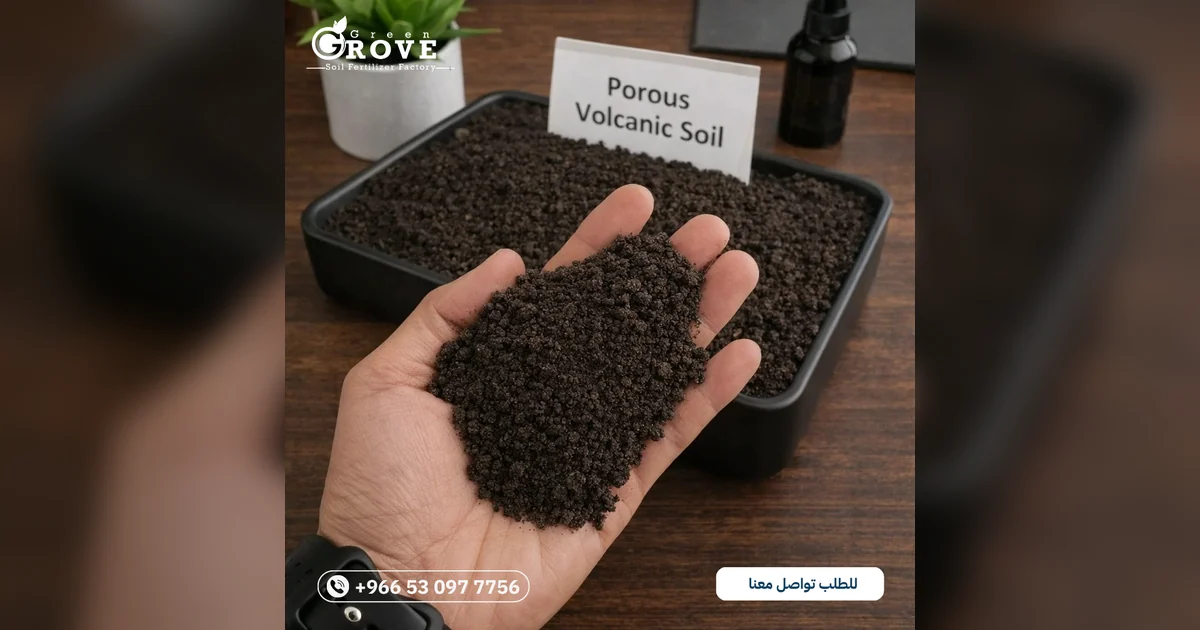
- Using the fine 0–4 mm grade as a structural component within growing-media blends.
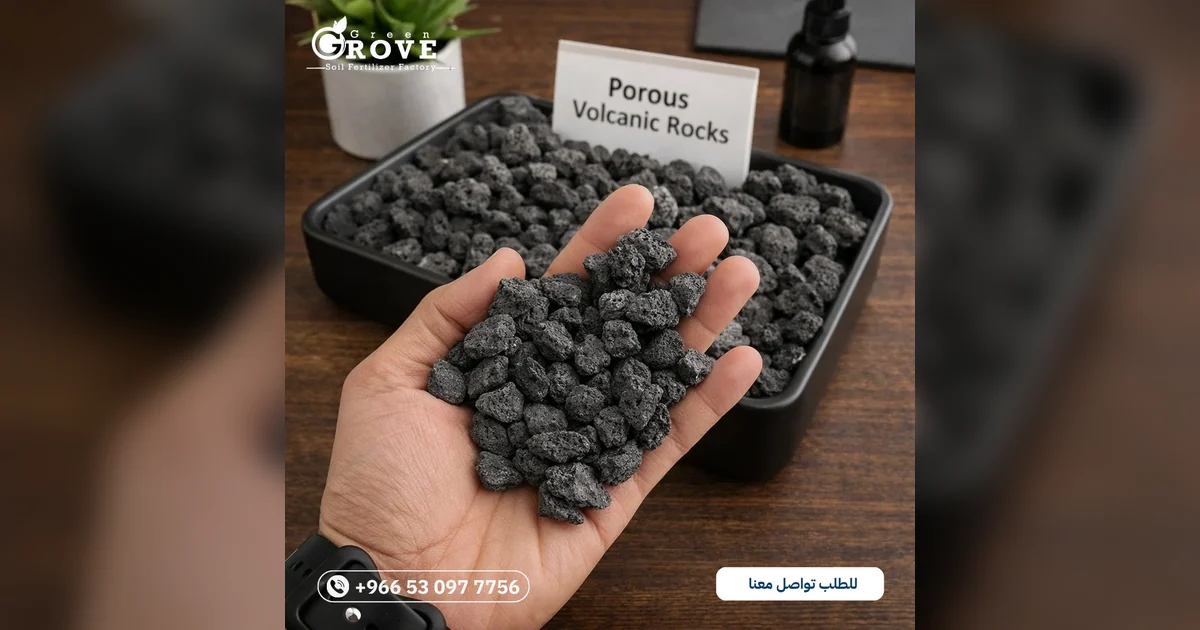
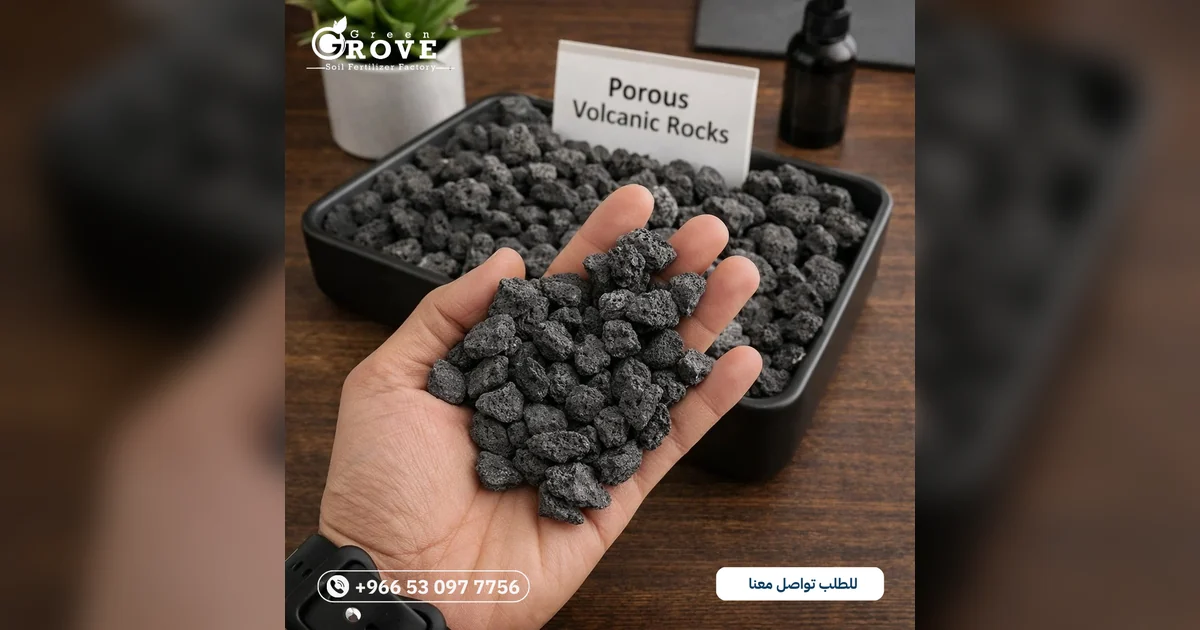
- Using the coarse 10–25 mm grade for aeration, drainage, coarse layers, or selected granular systems.
Suggested Use Method
Start by defining the objective. Are you improving a soil mix, creating a drainage-oriented layer, working with an indoor pot, or using a granular hydroponic system? Then choose the particle size that fits that objective. The 0–4 mm grade is generally more suitable for blending through growing media, while the 10–25 mm grade is more appropriate for coarse aeration, drainage, top-dressing, and selected granular applications.
| Application | Typical Grade | Practical Note |
|---|---|---|
| General growing-media blends | 0–4 mm | Blend gradually according to the plant and the other components. |
| Drainage and aeration | 10–25 mm | Suitable for coarse mixes, beds, and selected granular applications. |
| Cacti and succulents | 0–4 mm or a graded mix | These plants often require faster drainage than many foliage plants. |
Common Mistakes to Avoid
Using a more mineral mix where the plant and climate require it. Other common errors include adding a large amount without testing, relying on volcanic stone alone for plants that still require organic components and regular nutrition, or ignoring dust control. Washing is recommended for sensitive systems such as hydroponics and whenever fine dust needs to be reduced.